5 Things I Learned About the Fight for Free Speech at Sundance 2026
The festival brings together the united, pluralist society that racists are so scared of — making it a prime space for organizing
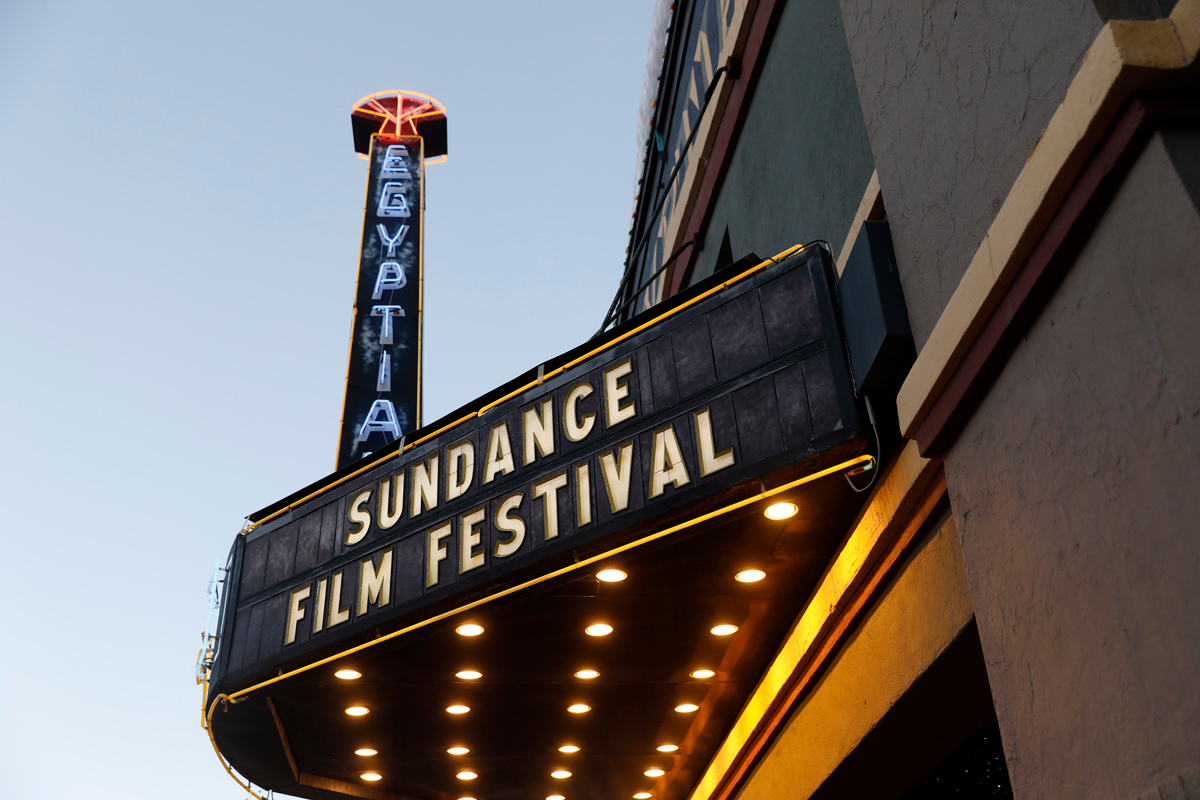
The Sundance Film Festival makes headlines for its stars. At this one, I spied Keegan-Michael Key and Chris Pratt hanging out on Main Street. I saw Olivia Wilde, Charlie XCX, Gemma Chan, Edward James Olmos and more take the stage after screening their films. Celebrity is real, and it’s not going anywhere.
But Sundance isn’t about the wattage of its attendees. It’s about independent cinema, giving a voice to filmmakers who the studio system shuts out. And yes, that’s largely people of color, women and queer folks. And yes, that’s political as the “Hollywood industrial complex” doubles down on its history of exclusion.
I’d categorize this year, like last, as filled with cognitive dissonance. In 2025, it was the Los Angeles fires, Trump’s inauguration and his series of executive orders that made being at a snowy film festival feel simultaneously silly and necessary. This January, it was the execution of Alex Pretti and that photo of five-year-old Liam Conejo Ramos in his bunny hat.
 Jenna Ruddock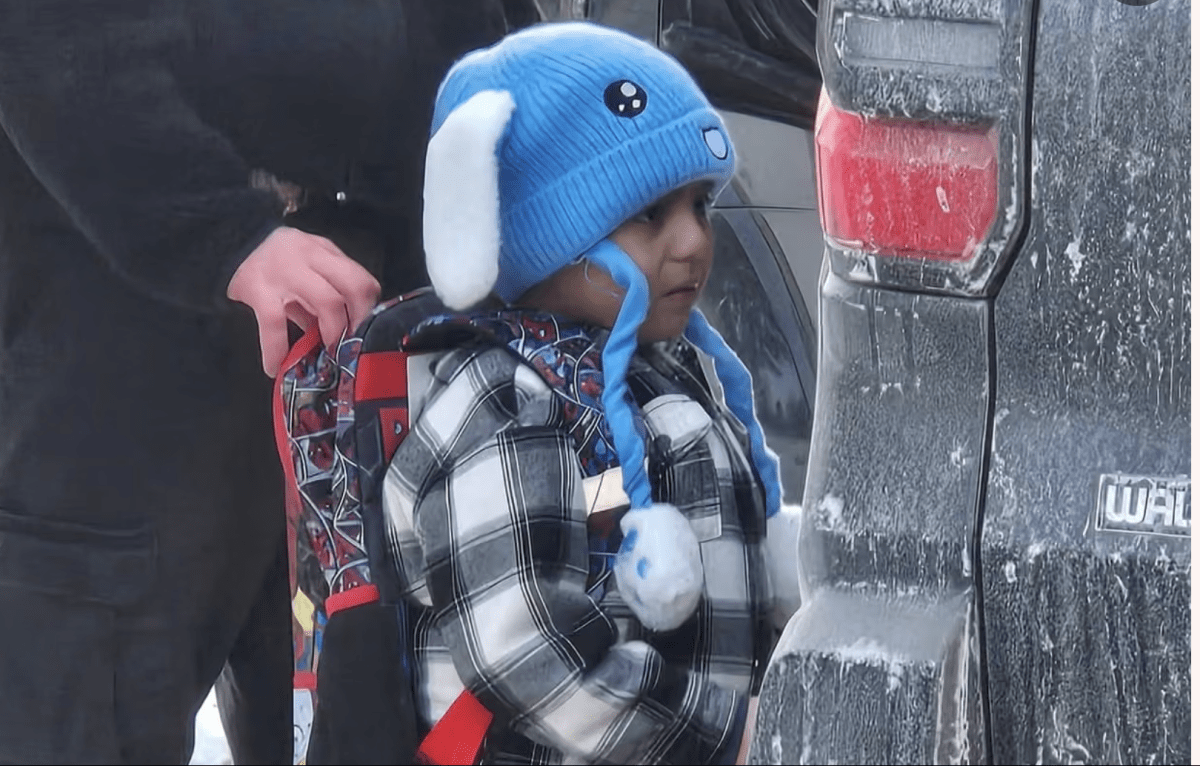
What are we doing, lining up to see three movies a day when there’s so much work to do? When our compatriots in Minneapolis are risking life and limb to protect their neighbors and our way of life?
Those are fair questions and I know I wasn’t the only one in Park City wrestling with them. But the thing is — movies do matter. Whether we like it or not, movies and TV programs are our shared cultural touch points, and they set larger narratives about worth, criminality and even why we all deserve human rights.
When a few corporations (and the white-guy broligarchy who own them) control what we see, they use their immense power to define whole communities (like immigrants) as dangerous others, rather than as fellow human beings (who commit less crime than native-born populations — just saying).
This is where we are. But it’s not how it has to be. Sundance is all about platforming voices outside that system, and those folks, they’re down with the struggle. They’re organizing on Main Street and back home to protect immigrants, defend our freedom of speech and stop the media consolidation that helps power it all.
I got to spend a long weekend rubbing elbows with them and fostering conversations about the need for a different storymaking system. Here’s what I learned:
Our coalition is broad
This was my fourth time at the festival, but my first representing Free Press. I joined the organization in November, proud to bring my decade-plus of experience running national, progressive communications shops to protecting our rights to connect, speak, and assemble. In addition, I’m an entertainment journalist, working at the intersection of race, gender and culture with a special interest in Latinx representation. Going to Sundance this year was my chance to combine it all.
I started my festival this year at the press mixer. There, we heard from Amy Redford, who spoke eloquently about her beloved and recently belated father Robert Redford. The founder of Sundance, he used his fame and fortune to create this platform for independent cinema. As part of her remarks, Amy Redford said, “It’s not an easy time to be a journalist. So I want to thank you — thank you for hanging in there. Thank you for bringing your words and your megaphone.”
As the festival went on, star after star spoke out about the current moment, shaken by the murder of Alex Pretti and the need for immediate action and solidarity. Attendees organized protests on Main Street with Natasha Lyonne spreading the word and Elijah Wood spotted on the street. Afro-Latino Florida U.S. Rep. Maxwell Frost was assaulted at High West Saloon, and the next morning, I heard Jon Sesrie Goff of the Ford Foundation use his time moderating a panel to talk about racist assaults — not just at Sundance but throughout society, including in “liberal” spaces.
The Sundance community I experienced this year was a group working through the hard conversations, trying to figure out equitable ways forward — and people of all walks of life were there. It was the united, pluralist society that racists are so scared of, that they want us to think doesn’t exist.
Black voices at the forefront
The best event I went to was “The New McCarthyism: Why Authoritarians Fear Storytellers,” presented as part of the multi-year “The Story of Us” initiative. Organized by the African American Policy Forum, it featured a panel moderated by Sundance Institute Board Member Dr Kimberlé Crenshaw. Joining the professor of law at Columbia Law School and UCLA were famed director Ava Duvernay, The Sympathizer author Viet Thanh Nguyen and professor of Cinema and Media Studies Dr. Jacqueline Stewart.
But theirs wasn’t an ordinary panel —the panel was regularly interrupted by performers like Tony-award-winning Kara Young reenacting statements Black leaders made during the McCarthy era.
The point was to show how the House Un-American Activities Committee wasn’t just anti-free speech but particularly anti-Black and anti-Black-speech, criminalizing the Black superstars of the day and successfully erasing their contributions. Did you know a Black woman by the name of Hazel Scott had a three-times-a-week nationwide TV show bearing her name in 1950 where she addressed all of the United States as her peers? I didn’t. And maybe that’s because McCarthy didn’t just blacklist her, he and his compatriots erased her.
That event was on Thursday night, the first official evening of the festival. On Sunday morning, I watched the SNL skit parodying how white thought-leaders are struggling to create a racially inclusive narrative for this moment. That’s perhaps the least funny way to describe a pretty hilarious skit — but I say it like that because the message Teyana Taylor and Kenan Thompson give with their “mmm-hmms” is so powerful. Black people have been dealing with this type of state violence for longer than any of us has been alive.
As Renee Good and Alex Pretti become household names across the country, it’s worth remembering that as of Jan. 28, ICE has killed nine people this year. Only the white ones generate headline after headline. In this moment of fear, resilience and anger, we non-Black folks should listen to the communities and organizers who’ve been working against state-sanctioned violence whenever we’re given the chance.
New models in the works
The Black community has long decried our broken, racist systems in Hollywood and beyond. Thankfully, it seems like a lot of our creative class is catching up. I heard lots of people talk about the “total collapse” of the old Hollywood system. Thanks to media consolidation, anti-DEI studio heads and the realities of the post-COVID marketplace, cause-oriented and marginalized filmmakers have almost no doors into the traditional movie-making industry.
 Ruth Livier, Ph.D.
Instead, they’re coalescing around this idea of building new distribution models. “I really feel strongly that there's going to be a resurgence of independence. I feel like that's the case, because the Hollywood industrial complex is constricting, consolidating and collapsing in itself, and filmmakers won't stop making films. So where do they go?” Duvernay asked at the Story of Us event. She went on to cite Black filmmakers of the past who created their own exhibition spaces, where it made sense for them — maybe in movie theaters, but also in book stores, libraries and community spaces.
And she wasn’t the only one. Cause-driven crowdsourcing platform Seed&Spark founder Emily Best noted how filmmakers are finally giving up on trying to “be picked” and instead getting to work on organizing. They’ve realized they can’t wait for one of a handful of billionaires to bless their projects. They need to build their own ways.
One of the groups doing that organizing is the Future Film Coalition, I joined their panel at the Impact Lounge, where they launched their Stop the Merger campaign, collecting testimonials from indie filmmakers to oppose media consolidation — including Netflix’s (or potentially Paramount’s) acquisition of Warner Bros. Discovery.
 Abby Sun
Moderator Richard Rushfield of the Ankler (and friend of Jane Fonda’s Committee for the First Amendment) compared their work to the rebels taking a single ship to take on the Death Star. That’s the battle we’re in.
We can’t be distracted
The way to win is by balancing the pressing needs of the day with our own long-term vision. To get nerdy with it, we’ve got to stop the Empire and the First Order all at once.
At Sundance this year, that meant speaking out against ICE, saying Alex Pretti’s name, and working to protect our First Amendment rights. I saw immediate action on those fronts in Sundance-specific protests and interviews like Natalie Portman’s with the AP.
 Adrian Horton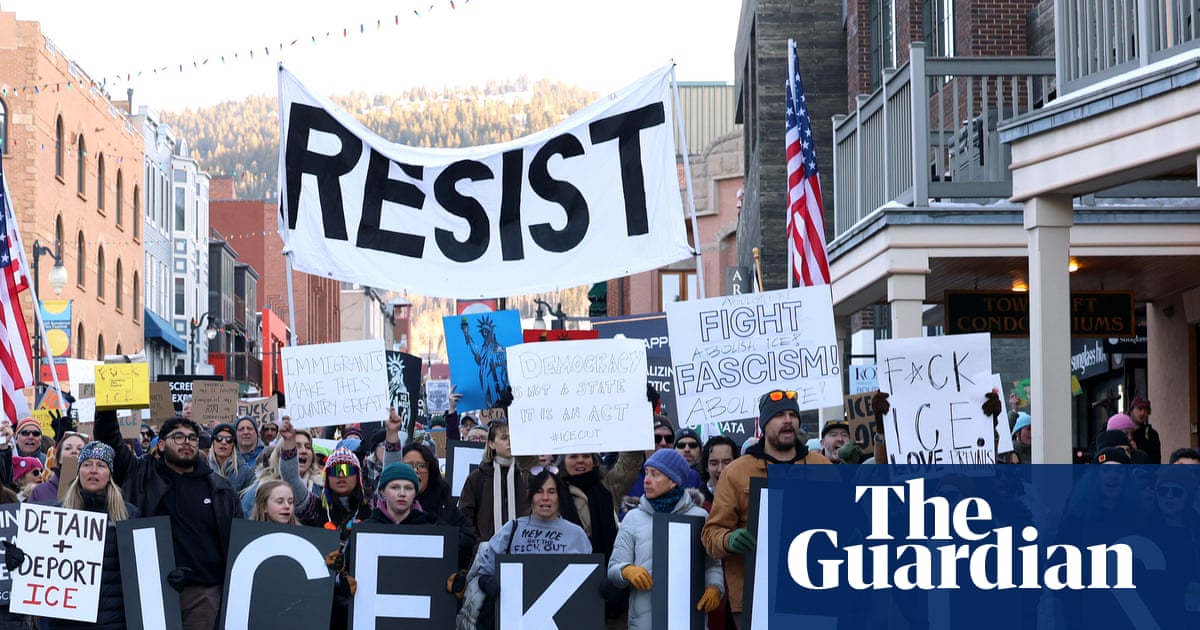
But there’s also long-term work to do that we can’t forget about. So many of the projects I saw at the festival are part of that effort, even as the multiyear filmmaking process means they were in the works long before Trump was elected to his second term.
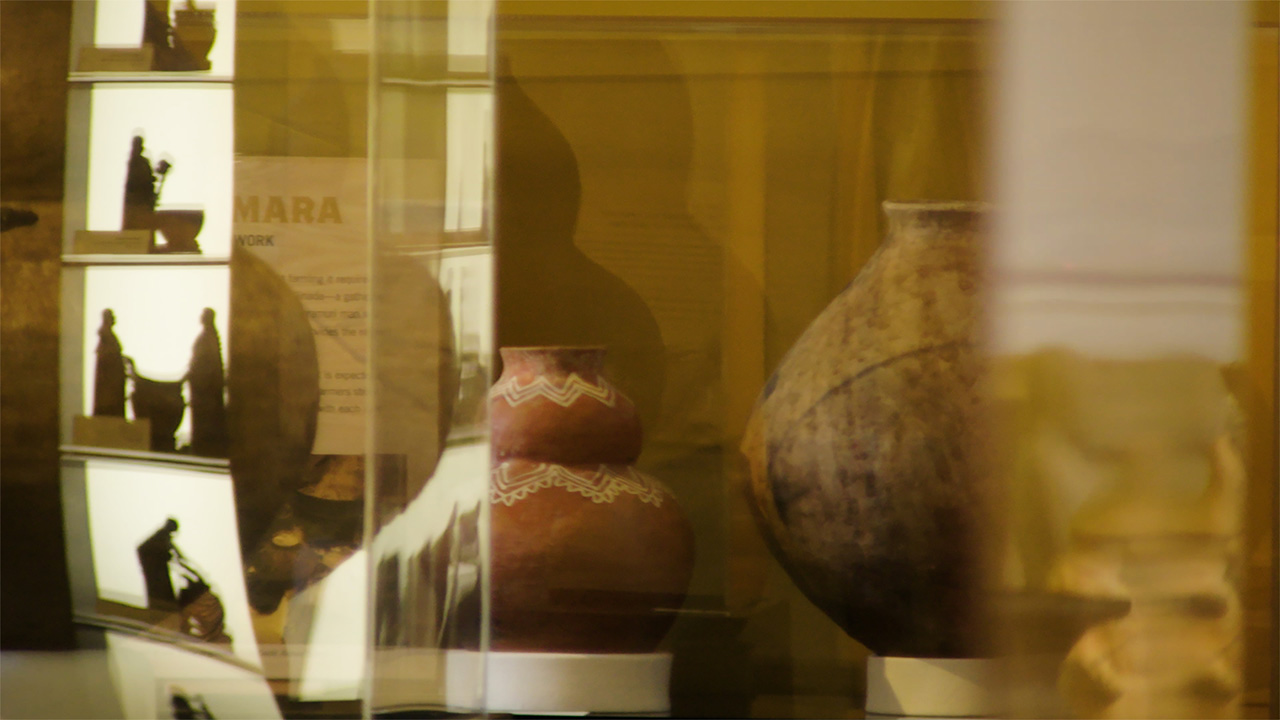
I’m thinking about Aanikoobijigan [ancestor/great-grandparent/great-grandchild], a documentary about Indigenous groups working to retrieve the remains of their ancestors from museums. It’s a fight to be seen and valued as human, and it’s made that much harder because even liberal institutions like museums and universities (looking at you, Harvard) don’t want to follow the law, preferring to keep stolen human remains in places like under a football stadium.

Then there was American Pachuco: The Legend of Luis Valdez, which reminds us of the power of story in creating real change. This PBS documentary follows Valdez from his farmworker roots, to founding the Teatro Campesino in support of Cesar Chavez and Dolores Huerta’s historic strike, to staging Zoot Suit (to wide success in Los Angeles but dismal Broadway reviews) and finally, making La Bamba. As the film’s subject said at the after-party, “Democracy is built from the ground up, and we're not going to let the fascist motherfuckers destroy our country.” ¡Adelante, pues no?!
Then there was Seized, a documentary about the raiding of the small-town Kansas newspaper, the Marion County Record. It follows the fallout, giving the newspaper’s detractors more than enough rope to hang themselves with, while also profiling the folks working at the paper, notably the paper’s prize-winning editor and publisher, Eric Meyer, and his latest hire, recent graduate and New York-to-Kansas transplant Finn Hartnett. I came out of that screening, my last one of the festival, fired up and ready to fight.
Use your gifts
And I got right to it, calling my Senator to oppose ICE funding and working to make sure Free Press’s community does the same. I’m a journalist and comms professional, and I’m using all the tools I’ve got to stand up for the freedom of speech that makes our democracy possible. I’m also a community and family member, so before leaving Utah, I gave my aunt there some talking points so she could call her representatives. She wrote them down and shared them with a couple of group chats. When I got home, I called my local rep in support of New Mexico’s Immigrant Safety Act.
That’s the work now. Whatever you’ve got — as a storyteller, a part of a family, a resident of these United States — now’s the time to use your gifts. I saw folks all over Sundance using their talents and positions to resist fascism and build something new. It was inspiring. I saw films that explored all sorts of issues — gender-based violence, global warming, poverty — and I was grateful to be moved to tears so strong that I was shaking in my seat (thanks, Josephine).
Because these films, this festival, this multiracial community of storytellers reminded me that we are the majority. And we cannot be stopped when we work together. While there is tragedy all around us, there is also camaraderie, art and hope. And that’s where I choose to live, work and organize.
Thanks, Sundance, for the reminder.
About the author
Cristina Escobar is the senior director of marketing and communications at Free Press. She’s also a cultural critic and the co-founder and editor-in-chief of Latina Media Co, an indie outlet platforming Latina and queer Latinx perspectives. A true millennial, all of her medical knowledge comes from (re)watching Grey’s Anatomy. You can follow her on Instagram @cescobarandrade.
Teamwork
With the Friday morning news that federal agents have arrested independent journalists Don Lemon and Georgia Fort, Free Press issued a media statement demanding that the charges be dropped immediately — along with those against Minneapolis civil rights attorney Nekima Levy Armstrong, St. Paul school board member Cauntyll Allen, military veteran William Kelly and local politicians Trahern Jeen Crews and Jamael Lydell Lundy — as they represent a clear violation of the First Amendment.
Read the full statement here.
The kicker
“The First Amendment protects acts of protest and acts of journalism equally. The criminalization of both journalists and protesters serves the same authoritarian project: shutting down dissenting voices or any content that deviates from the official narrative. These actions should outrage our leading media organizations, our elected officials and the public alike." — Jenna Ruddock, Advocacy Director, Free Press