Juries Remind Us That People Matter More Than Big Tech Platform Profits
What we knew all along — tech companies harm people in their schemes to ignore safety and expression


Last week, two juries sent a message to Big Tech that lawmakers and regulators have refused to send.
In New Mexico, jurors found Meta liable for misleading consumers about the safety of its platforms and endangering children — a historic legal first for any state taking on a major online platform. The judge ordered Meta to pay $375 million in civil penalties. Just one day after that decision, a Los Angeles jury held Meta and Google negligent for designing products that contributed to depression, anxiety and other harms, awarding $6 million in damages.
These cases are significant. The platforms’ own documented practices shared during these trials revealed that these companies knew their services harmed users — part of ongoing research Free Press has been tracking for years alongside other free expression, consumer protection, public health and online safety advocates. The findings consistently reveal Big Tech companies choosing profits over people and power over principle. And while tech overlords like Mark Zuckerberg snap up luxury waterfront estates in Miami and Elon Musk pushes for a pronatalist agenda that treats human reproduction as a resource in the interest of “saving humanity,” the juries’ damages last week remind us that everyday people still want better platforms and will do the hard work of holding them accountable if Congress doesn’t.
 Nora Benavidez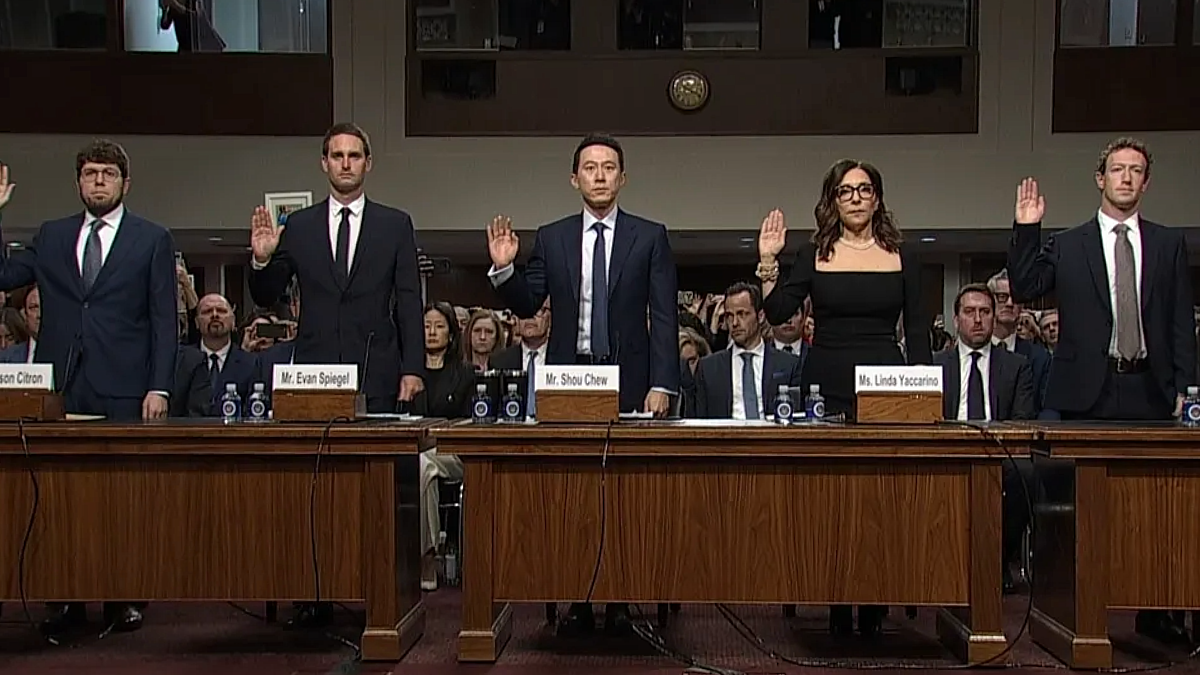
We already know that these so-called “social networks” do not operate with our interests or collective safety in mind. In the world of Big Tech, users are merely a product — our data and our time monetized to feed a revenue model built on targeted advertising. These rulings made that plain, and now we cannot lose momentum. We must demand more accountability from Silicon Valley.
Social problems
It’s not just young people in the United States who are harmed by these products. Platform abdication of responsibility has hurt users and democracies worldwide. Since I started studying platform integrity in 2018, I’ve consistently found that the largest networks — Meta, YouTube, TikTok, Twitter — failed to take adequate measures during every major U.S. election cycle for nearly a decade. They also blatantly neglected the public during crisis moments such as war and other conflicts to even apply their own anemic content-moderation policies.
 Nora Benavidez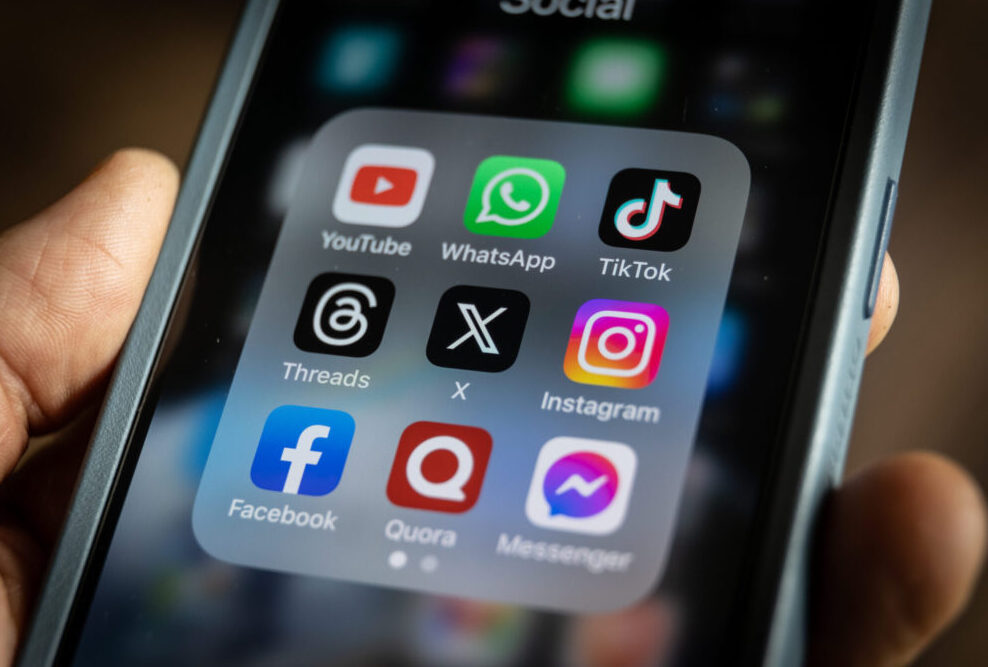
I documented the pattern of these platform rollbacks from previously held promises in Big Tech Backslide and Empty Promises. But the problem has only worsened over time. Apologies during congressional hearings and other hollow assurances mask a pervasive and significant rollback of community safeguards that the companies once had in place. Meta, Twitter and YouTube have all removed long-standing and critical policies, laid off thousands of staff and entire health and safety teams, and reinstated and even monetized violative accounts.
Meanwhile, they’ve also cut checks and settled lawsuits to support Donald Trump’s 2025 inauguration, bankroll his demolition of the East Wing and underwrite his future presidential library in an effort to curry favor with the administration so they may evade accountability or reproach. Alongside this capitulation, platform executives like Musk have actively used lawfare and the federal government as tools to chill, target and slash platform accountability efforts.
 Julie McNamara Federal Energy Policy Director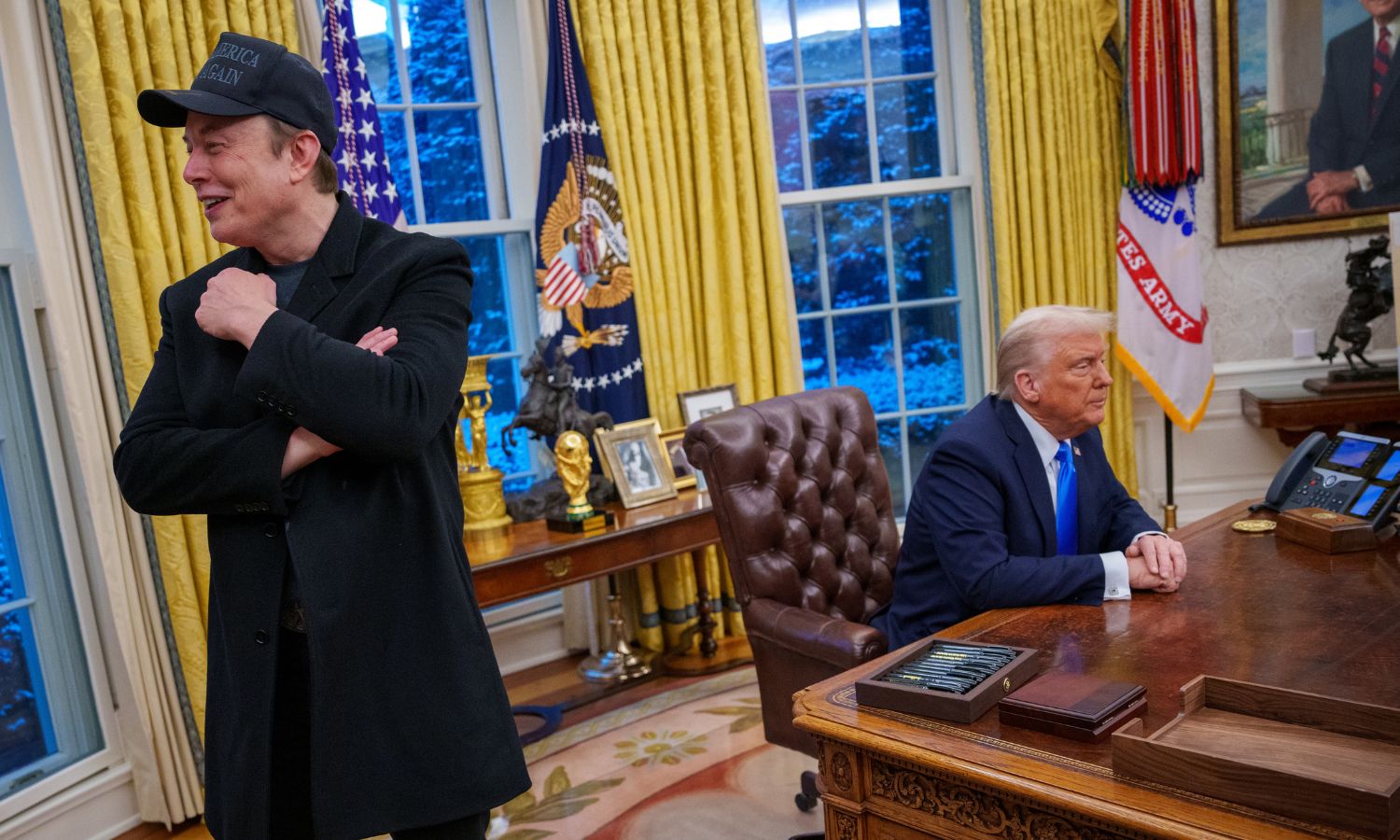
This pattern of capitulation is not neutral in nature. Big Tech’s actions are key to understanding what these companies value and what they do not. Structurally, policy rollbacks across Meta, Twitter and YouTube deemphasize fact-checking, user safety and platform integrity, creating an opening for lies, hate and harassment to thrive.
In 2023, those three platforms collectively laid off at least 40,750 workers, with massive cuts to trust and safety, content moderation, ethical AI and other teams tasked with protecting users, moderating content and overseeing overall platform functionality. That all happened in just one year, and the situation keeps getting worse. The New Mexico and Los Angeles decisions might have pumped the brakes for a moment, but nothing will change unless collective power halts this erosion of online trust.
Accountability for good
Free Press has long advocated for content moderation and robust platform accountability in the firm belief that they’re good for business. I stand by that claim. People want products that are healthy, leaders that are transparent and digital and analog spaces where their communities can bridge isolation and loneliness. The platforms we’re currently using only drive us further apart, while eroding democratic norms.
Bloomberg reports that there are over 3,000 cases being brought by young people and their families against Big Tech, claiming psychological distress and other harms. Not to mention, dozens of state attorneys general are suing these companies, and personal injury claims crop up more regularly. The question isn’t whether platforms should be responsible to consumers. The juries last week unequivocally told us that yes, they must be — joining a choir of rulings from other countries also sounding the alarm. Whether these damages will serve as a wakeup call, and compel platforms to center people over profits, remains to be seen.
 Peter Blumberg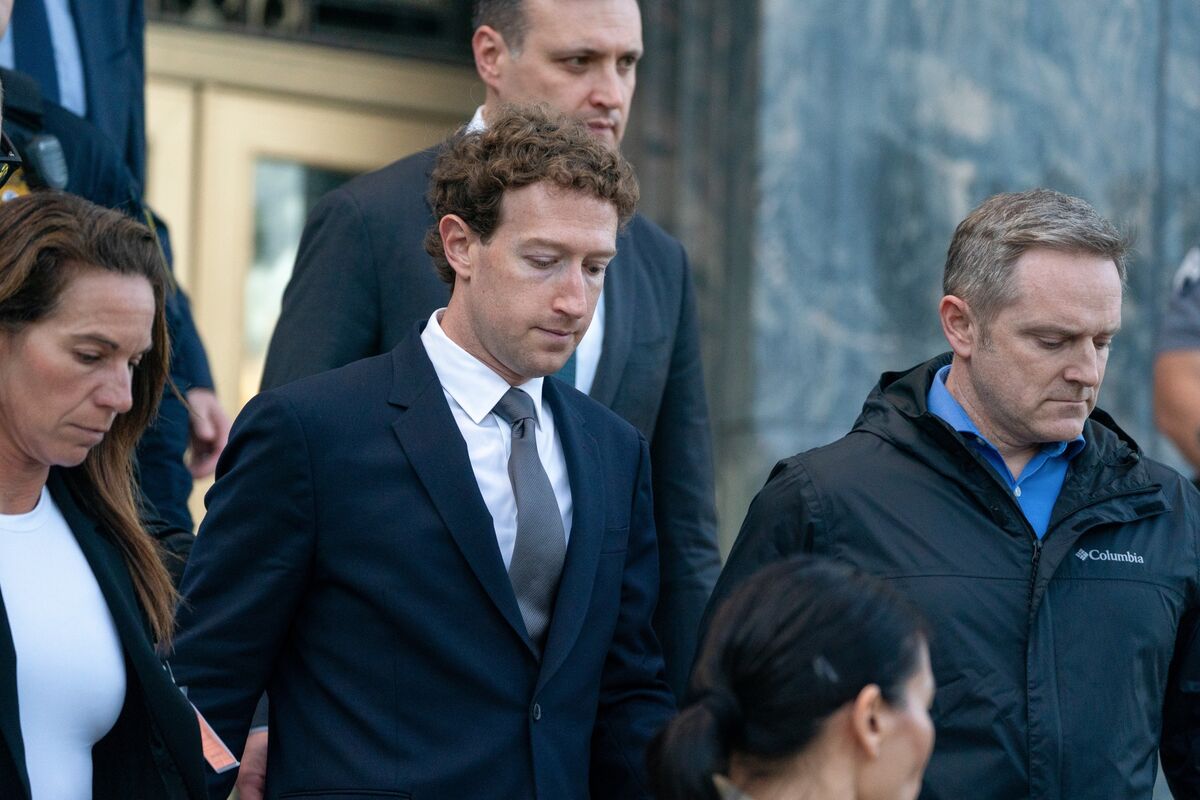
I suspect, from my work with these companies, the answer will be no.
That only means there is much more to do. We need to imagine new online spaces that serve us all — not just products that distract and divide people, while enriching multibillionaires like Mark Zuckerberg and Elon Musk.
About the author
Nora Benavidez leads Free Press’ democracy, free speech and tech initiatives, including its policy, legal and campaign efforts to curb disinformation, hate and other manipulation online while protecting digital civil rights, privacy and free expression. Follow Nora on Bluesky.
Open tabs
Compiled by Pressing Issues editors
Earlier this week, a federal judge in the DC Circuit ruled that President Trump’s 2025 executive order to ban federal funding for PBS and NPR was a violation of the First Amendment. While it is a victory for defenders of public media, the ruling doesn’t mean the return of the Corporation for Public Broadcasting (CPB), which dissolved earlier this year after Congress voted to rescind funding last summer.
As the New York Times explains, “The ruling will likely have minimal effect on the federal funding of public media. Two months after the executive order, Congress voted to claw back roughly $500 million in annual funding for the Corporation for Public Broadcasting, the organization that distributes federal money to NPR and PBS. The Corporation for Public Broadcasting has since shut down, and public radio and TV stations across the country have sought alternate forms of revenue.”
The ruling is a glimmer of hope for any future Congressional funding for public media. Follow Pressing Issues for more updates — we already have ideas about what a new iteration of public media can look like.
 Julio Ricardo Varela
While tech billionaires like Zuckerberg and Musk like to talk the talk of free expression, they’re eager to shut down voices that threaten their bottom lines and undermine the Trump agenda. Mike Masnick of Techdirt writes about recently revealed texts between the two where they offer to help one another silence online criticism of DOGE.
“The Zuck-Musk texts show what those ‘free expression’ principles actually look like in practice,” Masnick writes. “Zuck is more than happy to suppress speech when he supports the person in the White House. It’s only when he doesn’t like the person in the White House that he gets to pretend he’s a free speech warrior.”
 Mike Masnick
The kicker
“The substantial damages the jury ordered Meta to pay should send a clear message to Big Tech executives that no company is beyond the reach of the law. Policymakers and law enforcement officials across the country can help make this verdict a turning point in the fight for children’s safety. This is a watershed moment for every parent concerned about what could happen to their kids when they go online, and this victory belongs to them.” —New Mexico Attorney General Raúl Torrez, March 24, 2026