Looking Back at Our Media Laws to Look Ahead
The last major congressional overhaul of our nation’s media and telecom laws was 30 years ago. Was it a good plan, and are we still following it today?

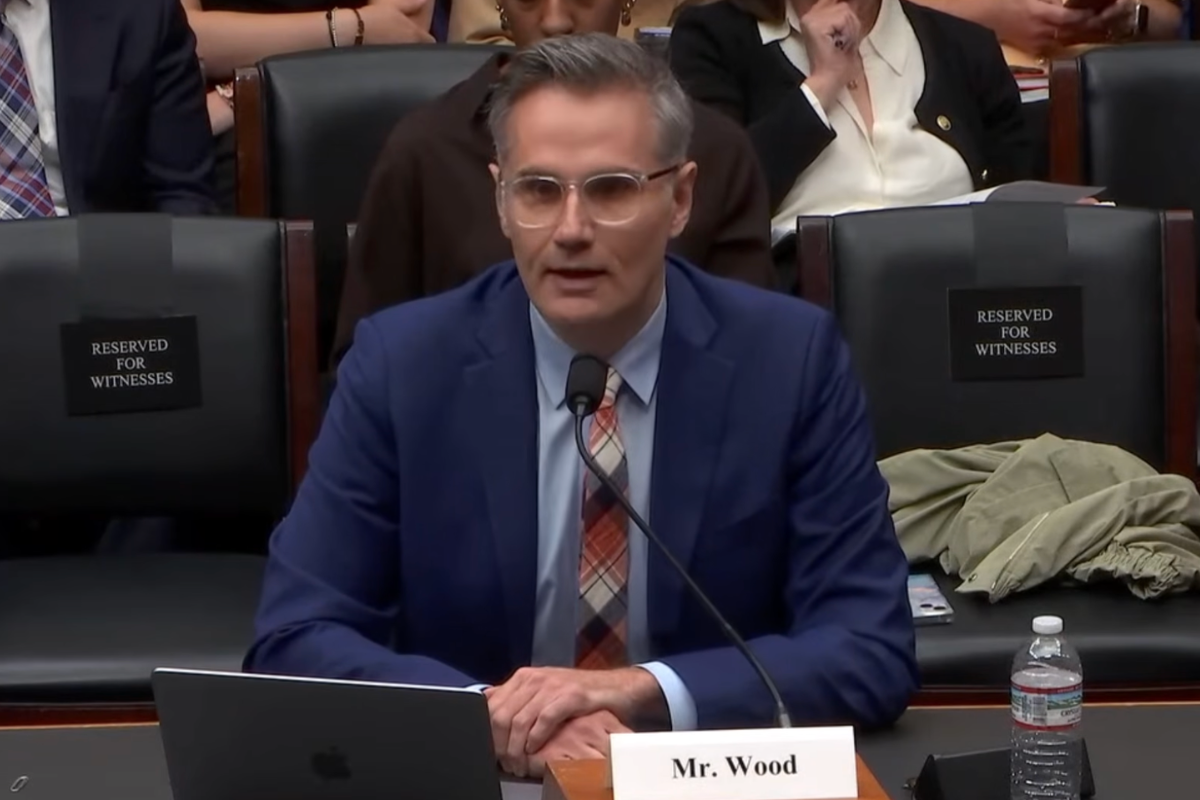
On March 26, I testified before the House Subcommittee on Communications and Technology at a hearing examining the Telecommunications Act of 1996 — 30 years after it became law. The full written testimony covers issues like broadband oversight and affordability, but for Pressing Issues readers, I’ll focus on parts of the testimony tied to a recent and huge news event: the Nexstar-Tegna merger, and how it’s even worse than the Federal Communication Commission’s long-running practice of looking the other way on massive media mergers.
The subcommittee that held this hearing is the same one that oversees the FCC and other agencies that administer laws covering TV, radio, wireless companies and internet providers. I told them that these kinds of hearings about the developments in the law and in the technologies we’ve seen come and go over three decades often look back to laugh at now quaint-sounding tech trends and touchstones.
What I wanted to do in the hearing instead was look forward to what Congress and federal agencies still must do to fulfill the Act’s goals. And to do that, I had to talk about the severe and sometimes shocking departures current FCC Chairman Brendan Carr has made from longstanding Commission practice and precedent, often thumbing his nose at Congress’ laws and the Constitution as he does.
Despite the outright law-breaking of the Trump administration, and years of industry lobbying against the supposed flaws in this now 30-year-old law, it is still solid in a lot of places. As anyone who was involved with its passage will tell you — though critics today like to pretend that people in the 1990s couldn’t possibly have foreseen the technological leaps to come — Members of Congress writing this landmark legislation knew full-well that they were paving the way for the media landscape’s evolution and the internet revolution just then dawning.
The timeless truths in the 1996 Act
I told the subcommittee that there were plenty of places where their predecessors got it exactly right, not always in the terms they used, but the values they espoused.
I said that we must continue the work to honor those principles, to restore a solid jurisdictional basis for public oversight of broadband internet access service, and update broadband affordability subsidies to provide progressive funding for an adequate benefit when market forces alone won’t make the internet affordable for all. Those are crucial missions, and issues Free Press has championed for decades too. That core of the 1996 Act is as solid today as it was when written, commanding the FCC to make sure everyone has access to affordable and open internet connections.
Of course that doesn’t mean that the law was perfect, or that it’s been perfectly implemented for three decades. There were some poor choices the drafters made, and poor decisions made at the FCC and in the courts ever since — even before the Trump regime started trampling on these laws and norms in every direction.
A law built to spur media mergers
One place I criticized the 1996 Act itself was the language that required what became the FCC’s “quadrennial review” of its broadcast regulations. That proceeding is supposed to take place every four years, but often takes even longer to finish. It’s been dragged out by court battles, in an era marked by the agency’s permissiveness in approving merger after merger, as the FCC went about removing its rules against undue concentration in local broadcasting.
A court long ago instructed the agency that the quadrennial does not demand deregulation no matter the consequences, but that’s what we’ve seen. The latest crescendo of consolidation and capitulation came just two weeks ago, with Carr’s shockingly shoddy decision to ignore the evidence and even the laws Congress wrote and to approve the Nexstar-Tegna merger.
It’s not just what Carr did to approve this deal — with barely any analysis, yet with plenty of partisan glee over how Trump is ignoring the First Amendment and reshaping the media from the Oval Office. It’s how Carr did it too — with a series of procedural maneuvers designed to evade public scrutiny and judicial review.
 Anthony L. Fisher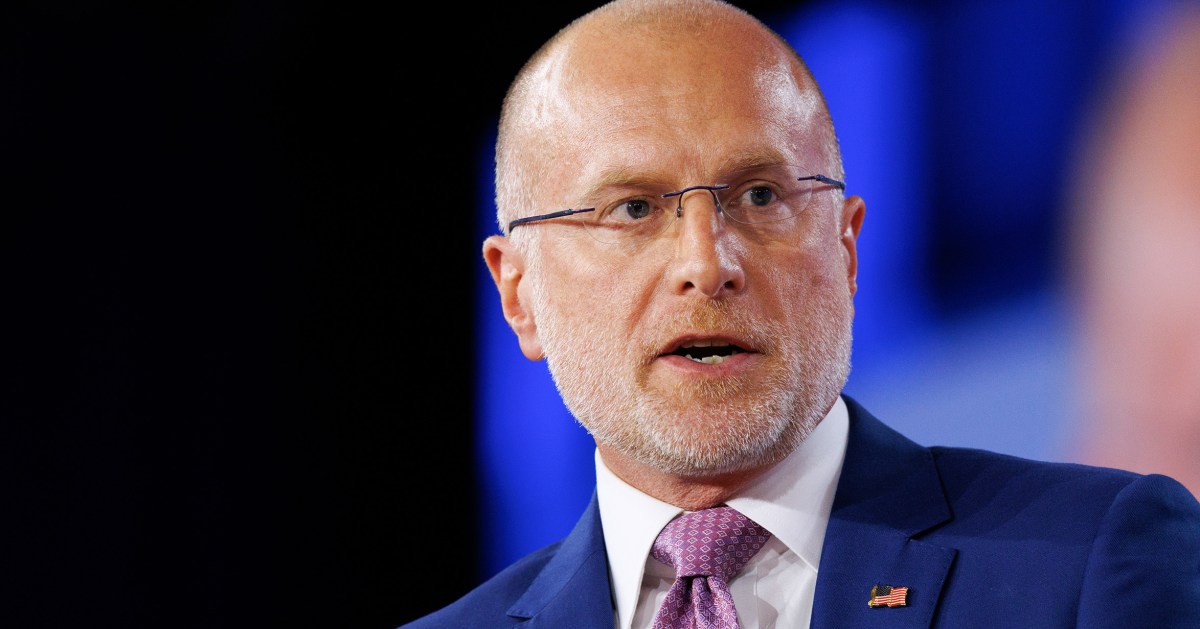
Carr can’t even follow that law
As I explained when I testified, the 1996 Act paved the way for runaway consolidation in the broadcast industry. In its deregulatory rush, the FCC hasn’t honored its own goals of promoting competition, diversity, and localism in broadcasting. It has too often gullibly accepted broadcasters’ claim that the only way to have more competition is with fewer competitors. They say that the only way to have more viewpoint and ownership diversity is with fewer voices. And they pretend that the only way to have more local coverage is with more national, homogenized stories and distant corporate control.This is all ridiculous, to put it mildly.
Of course, while we may fault the 1996 Act for touching off consolidation waves in TV and radio for 30 years now, the FCC should still read it and follow that law’s clear pronouncements. One such crystal clear statement is the 39 percent national audience reach cap that Congress wrote into that law via a 2004 amendment.
Unsatisfied by the consolidation and deregulation that the Act already allows, the Carr FCC rammed through the Nexstar-Tegna deal to make the nation’s largest TV conglomerate even larger. And it did so without a full Commission vote, and in tight coordination with the merger applicants themselves, who purported to close the deal mere minutes after the order’s appearance.
Trying to waive a numerical limit for national audience reach set by Congress itself is a remarkable act of regulatory hubris. Free Press is already in court, alongside cable and satellite companies, unions, and other public-interest groups challenging this decision. The anti-competitive impacts of Nexstar merging with Tegna are staggering, and Carr’s decision brushed them off with barely any analysis at all. Yet the audacity to ignore the cap Congress itself set in 2004 is just as stunning.

Former FCC Commissioner Michael O’Rielly testified alongside me last week. He’s a rock-ribbed Republican, and no fan of media regulation. But he’s also a former congressional staffer himself, with a great deal of respect for statutory limits on agency power. He once rightly called what the Trump FCC did last week in claiming to “waive” away a law that Congress wrote a “preposterous” attempt at “one of the biggest backdoors in the history of legislating.”
Broadcast consolidation is a threat to democracy
There are at least two reasons that media mergers like this latest one are bad for free speech.
First, as I said in my testimony, consolidation supercharges censorship efforts. Having more media monopolies means there are fewer dissenting voices, and makes for a pliant press beholden to the politicians and bureaucrats who granted them favors and blessed their mergers. It means there are fewer channels for the government to choke when it wants to control the narrative.
That’s why this FCC chairman ignores the facts, the law, and even the Constitution itself, whenever he pleases — so long as it pleases this president. He attacks free expression and freedom of the press relentlessly. He polices speech and threatens broadcasters for coverage he doesn’t like, or deems untrue. That should be and already is barred by the First Amendment, and by the Communications Act as well. Yet Carr keeps on going because Trump demands it.
The second reason that media mergers have become tools for censorship is the way the Trump administration has used them to exact concessions and reward political allies. Trump has used what ought to be an apolitical antitrust review to intimidate media companies, coerce newsrooms into favorable coverage, and seek a state press subservient to the government’s whims. The FCC calling for propaganda while labeling it as “patriotism” does nothing to disguise the ugly, chilling impacts of purported First Amendment champions now threatening treason charges against news outlets.
 Craig Aaron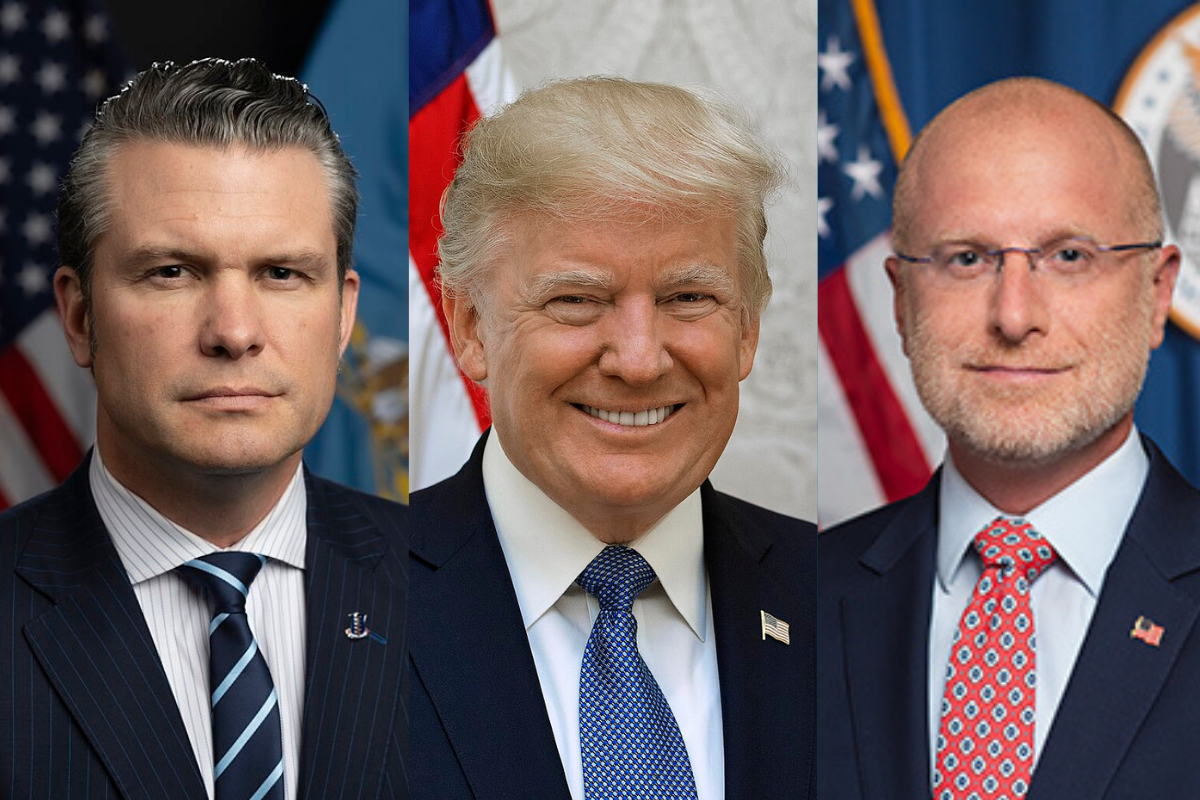
Yet as I noted in Congress last week, not all mergers get such a quick green light. Carr has wrongly held up deals until companies met his demands to swear off their diversity and inclusion efforts. When demanding these concessions, Carr offers no proof of actual and actionable employment discrimination. He just bullies companies who want their deals to get done into complying with the culture-war grievances of his boss.
The prospect of local TV news monopolies is a dire policy failure, frightening for any democracy that values viewpoint diversity or dissent. The prospect of a weaponized merger review process used to reward a president’s friends and damage his enemies is yet another accelerant to that threat.
About the author
Matt Wood is Free Press’ vice president of policy and general counsel. He leads efforts to protect the open internet, prevent media concentration, promote affordable broadband deployment and safeguard press freedom. Follow him on Bluesky.
Teamwork
Compiled by Pressing Issues editors
Last Friday in front of the Kennedy Center, Free Press Co-CEO Jessica J. González joined an impressive list of speakers and performers at a rally organized by Jane Fonda’s Committee for the First Amendment. Outlets such as The Guardian and Art Threat covered the event, which featured Fonda, as well as other prominent voices, including Billy Porter, Sam Waterston, Griffin Dunne, Jim Acosta, Joy-Ann Reid, Joan Baez and Maggie Rogers.
“The right to speak, create, assemble and protest, without government interference and intimidation, is fundamental. And it’s under attack,” González said. “The Trump regime has sought to quash dissent and demonize the vulnerable. To consolidate the media into the hands of friendly oligarchs. These are moves right out of the authoritarian playbook. To the leaders of companies that have capitulated to Trump: We see you and history will not forget.”


The kicker
“Dear Chairman Carr: We write regarding the Commission’s March 19th approval of Nexstar Media Group’s acquisition of Tegna on delegated authority. This decision raises serious concerns about the Commission’s use of delegated authority in matters involving significant legal, policy, and economic consequences.” —Sen. Ted Cruz (R), Chair, and Sen. Maria Cantwell (D), Ranking Member, of the U.S. Senate Committee on Commerce, Science, and Transportation, in a March 30, 2026 letter to FCC Chairman Carr (More from Reuters)