Also Missing from The Late Show with Stephen Colbert: CBS’ Courage
Chairman Carr’s ‘chilling effect’ is no laughing matter
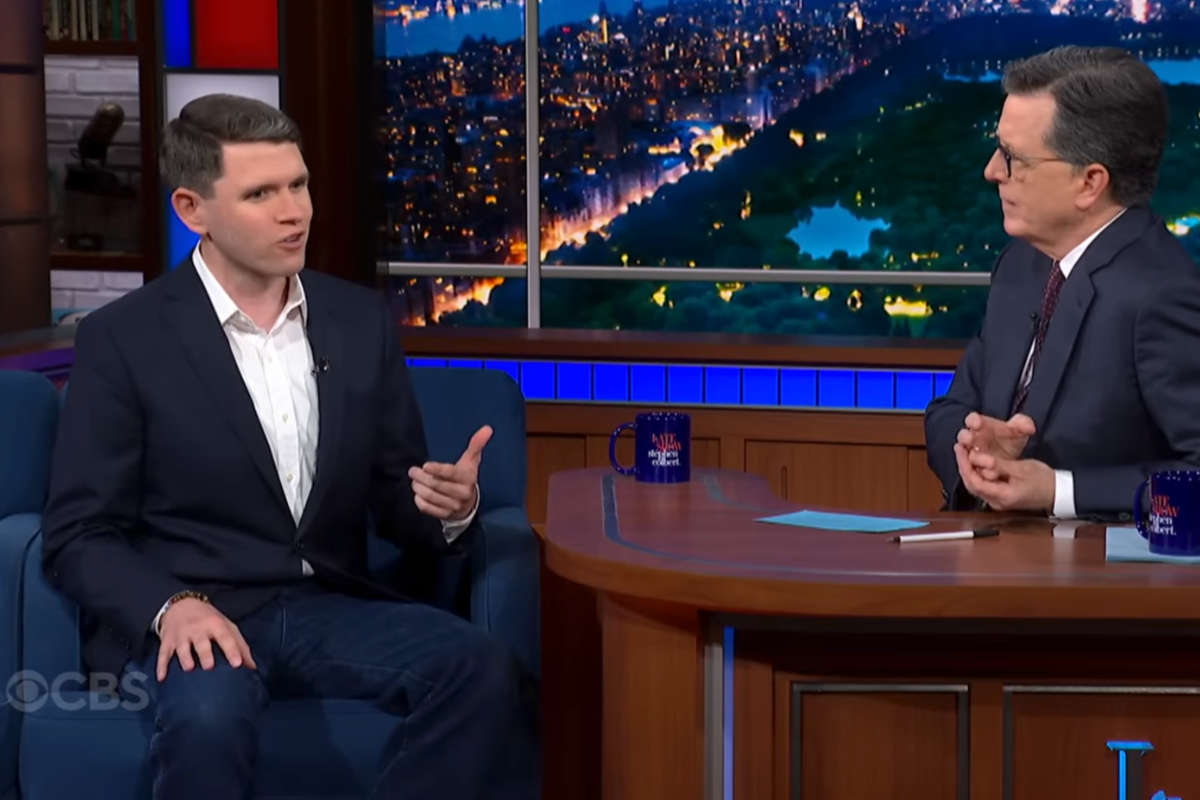
Here’s an actual picture of Stephen Colbert interviewing Senate candidate James Talarico. But appearances can be deceiving. Despite the photo of the two sitting together, Talarico didn’t appear on CBS’ Late Show with Stephen Colbert on Monday.
Network lawyers had forbidden Colbert from airing his interview with the politician, fearing that broadcasting Talarico would violate the Federal Communications Commission’s equal-time rule — even though the rule doesn’t apply to the format.
The rule, under Section 315 of the Communications Act, mandates that broadcast stations provide equal access and airtime to all legally qualified political candidates if they permit any candidate to use their facilities. It has evolved over time to allow exemptions for programming considered to be “bona fide news,” interviews and talk shows.
So why wasn’t Talarico on Colbert? First, the FCC’s censor-in-chief, Brendan Carr, has weaponized the agency to go after major media entities that don’t serve as propaganda outlets for the president. Most recently, Chairman Carr warned late-night and daytime-TV talk shows that their hosts and guests weren’t friendly enough to Trump, requiring a possible rewrite of the agency’s equal-time rules.
Second, major media companies like Paramount (which owns CBS) are all too eager to capitulate in advance to Trump. The mere mention that the administration is unhappy with their content has media owners and executives forfeiting their First Amendment rights to toe the president’s authoritarian line and curry favor with his administration.
FCC’d up
In other words, big media self-censorship in 2026 is real.
All it takes is a threat from the Trump administration for major networks to buckle. This pitiful scenario often plays out over late-night television.
Trump is rumored to spend his evenings watching the networks before fuming about them via social media. And Carr sees it as his mission, in Colbert’s words, “to silence anyone who says anything bad about Trump on TV, because all Trump does is watch TV.”
Far too often, Carr takes his cues from Trump’s unhinged online rants: He’s launched agency investigations into 60 Minutes over its routine editing of a Kamala Harris interview; probed diversity, equity and inclusion policies at Disney and Comcast; threatened to block mergers for any company that maintains such practices; initiated investigations into local stations like KCBS-AM in San Jose for reporting on the whereabouts of ICE operations; and threatened penalties against ABC if it did not remove host Jimmy Kimmel, leading to his temporary suspension. The list goes on but an angry and all-too online president triggered each of Carr’s actions.
Even though Talarico didn’t appear on Monday’s broadcast of the show, Colbert did devote the Talarico-less time slot to bashing his bosses and exposing Carr’s latest shakedown. Carr’s campaign of censorship and control is “motivated by partisan purposes,” Colbert said. The FCC chairman seeks to rewrite any rule if it’ll shut down late-night comedians who’ve made Trump the brunt of their jokes.
“What would you know? Brendan Carr says right-wing talk radio isn’t a target of the FCC’s equal-time notice,” Colbert said. But neither are broadcast-television talk shows.
If Carr has learned anything since becoming chairman in 2025, it’s that the mere suggestion of FCC enforcement — or in this instance, a possible rule change — is enough to get major media companies like Paramount parroting right-wing radio.
The Streisand effect
You can view Colbert’s interview with Talarico on the Late Show’s YouTube channel. As of this writing, the video has racked up more than 2.3 million views in 16 hours, while news of Paramount’s self-censorship is trending across social media. Expect viewership to increase exponentially in the days ahead.
“This is the party that ran against cancel culture,” Talarico explains to Colbert. “And now they’re trying to control what we watch, what we say, what we read, and this is the most dangerous kind of cancel culture — the kind that comes from the top.”
“Corporate media executives are selling out the First Amendment to curry favor with corrupt politicians,” Talarico adds. “A threat to any of our First Amendment rights is a threat to all of our First Amendment rights.”
Capitulation’s slippery slope
This threat is something that Free Press has documented extensively.
Last July, Free Press released the Media Capitulation Index, a detailed investigation into the independence of the 35 largest media conglomerates in the United States. In conducting the research, I found that far too many massive media companies are failing to hold power to account and defend our democracy in the face of persistent threats from the Trump administration.

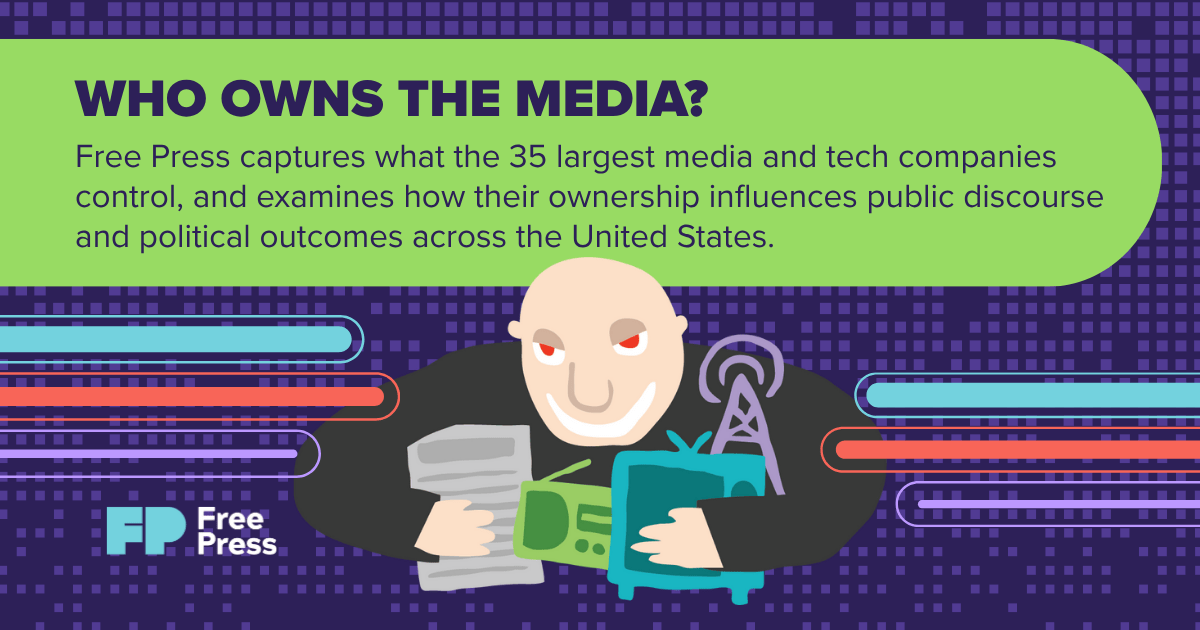
“Media capitulation is a slippery slope,” I wrote at the time. “Once these owners compromise their companies’ editorial independence — once they step across the line into compliance — the temptation to cave further to official pressure grows even stronger.”
In a Pressing Issues interview, Democratic FCC Commissioner Anna Gomez made clear that despite Carr’s threats, that the FCC hasn’t adopted a new equal-time rule. “It hasn’t reinterpreted the statute. And it hasn’t voted to roll back the long-standing news exemptions broadcasters have relied on for decades,” she said. “For years, the Commission has been very clear that bona fide news interviews, including late-night and daytime programs, are entitled to editorial discretion.”
 Craig Aaron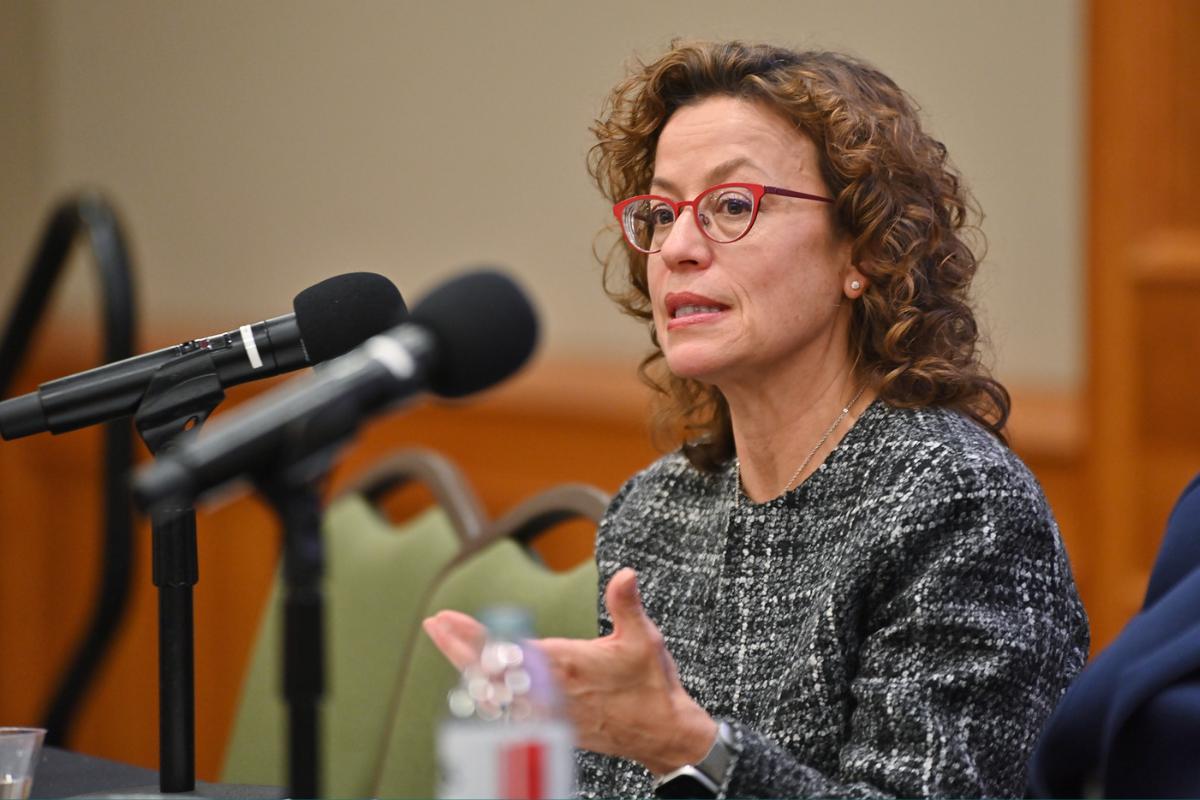
It’s that discretion — and the full exercise of First Amendment freedoms by U.S. media companies — that should curb corrupt politicians and hold power to account. If only major corporate media had the courage to exercise this essential right.
“Broadcasters’ rights haven’t changed,” Gomez told Pressing Issues. “But when the FCC signals that it’s willing to blur the line between oversight and retaliation, it creates exactly the kind of chilling effect the First Amendment is meant to prevent.”
On Colbert, this effect involves CBS’ decision to disappear a politician from the airwaves out of fear that it’s violating a prohibition that doesn’t actually exist.
Open tabs
In other media news, Anderson Cooper announced his intention to leave 60 Minutes after nearly 20 years. Oliver Darcy of Status has the story behind his departure.
 Oliver Darcy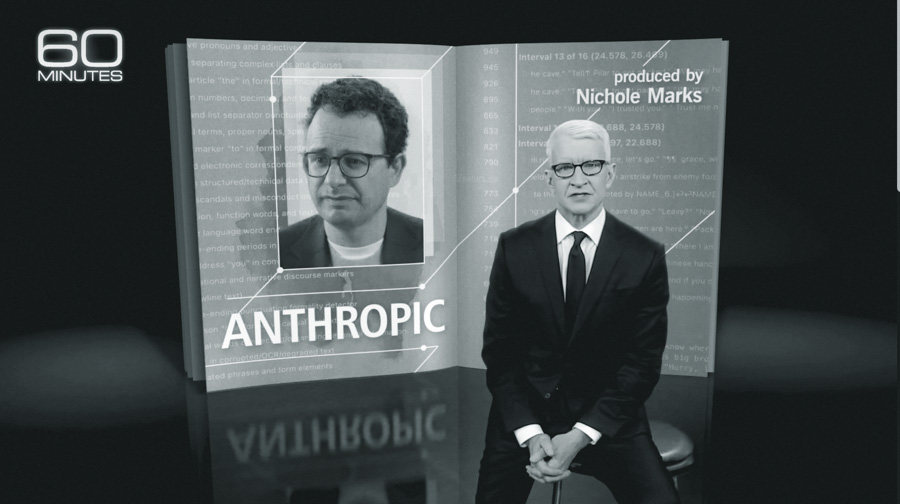
Meanwhile, Federal Trade Commission Chairman Andrew Ferguson has accused Apple of violating U.S. law by allegedly suppressing conservative-leaning news outlets on Apple News. Expect more media capitulation to come. Jon Brodkin of Ars Technica has the story.
 Jon Brodkin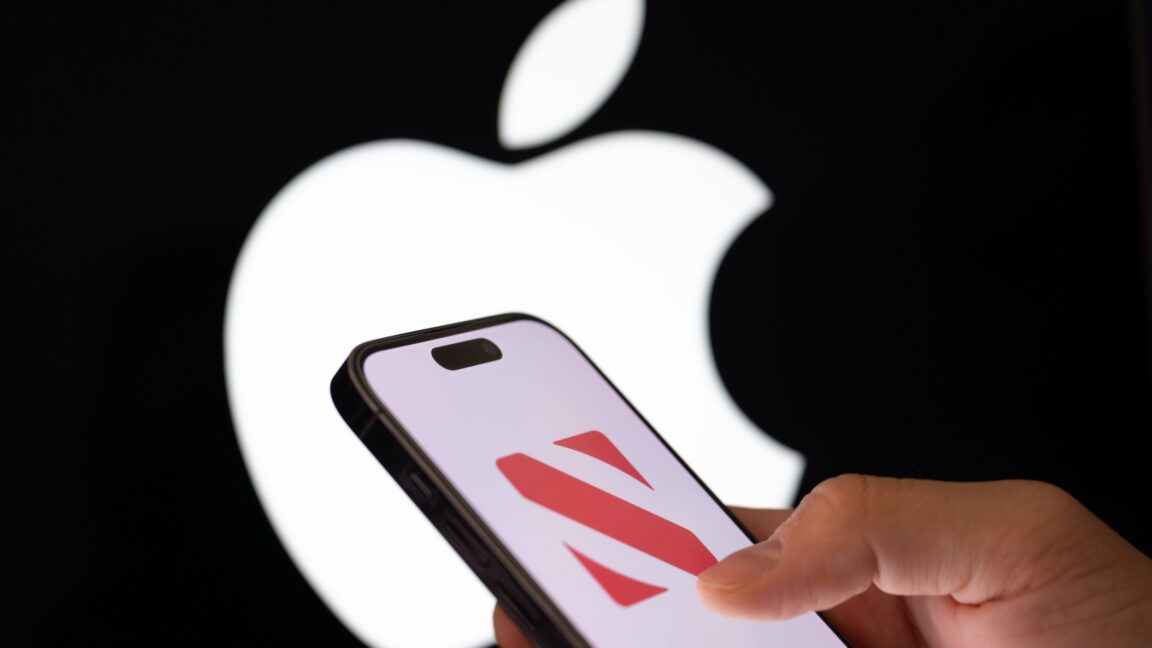
The kicker
“Media is a life-or-death issue for communities of color in this country. At their worst, media fan the flames of hatred, racism and intolerance that lead to violence and injustice. At their best, media hold the powerful accountable and help bring about change in our communities.” —Rev. Jesse Jackson (1941–2026)
About the author
Timothy Karr is the senior director of strategy and communications at Free Press. He’s worked as a photojournalist, foreign correspondent and editor for major news outlets. His commentary on the media has appeared in dozens of magazines and newspapers worldwide. Follow him on Bluesky.