Recording ICE Isn’t ‘Violence’ – It’s a Constitutionally Protected Act of Journalism
How the First Amendment plays an essential role in exposing the truth about Renee Good’s tragic death in Minneapolis
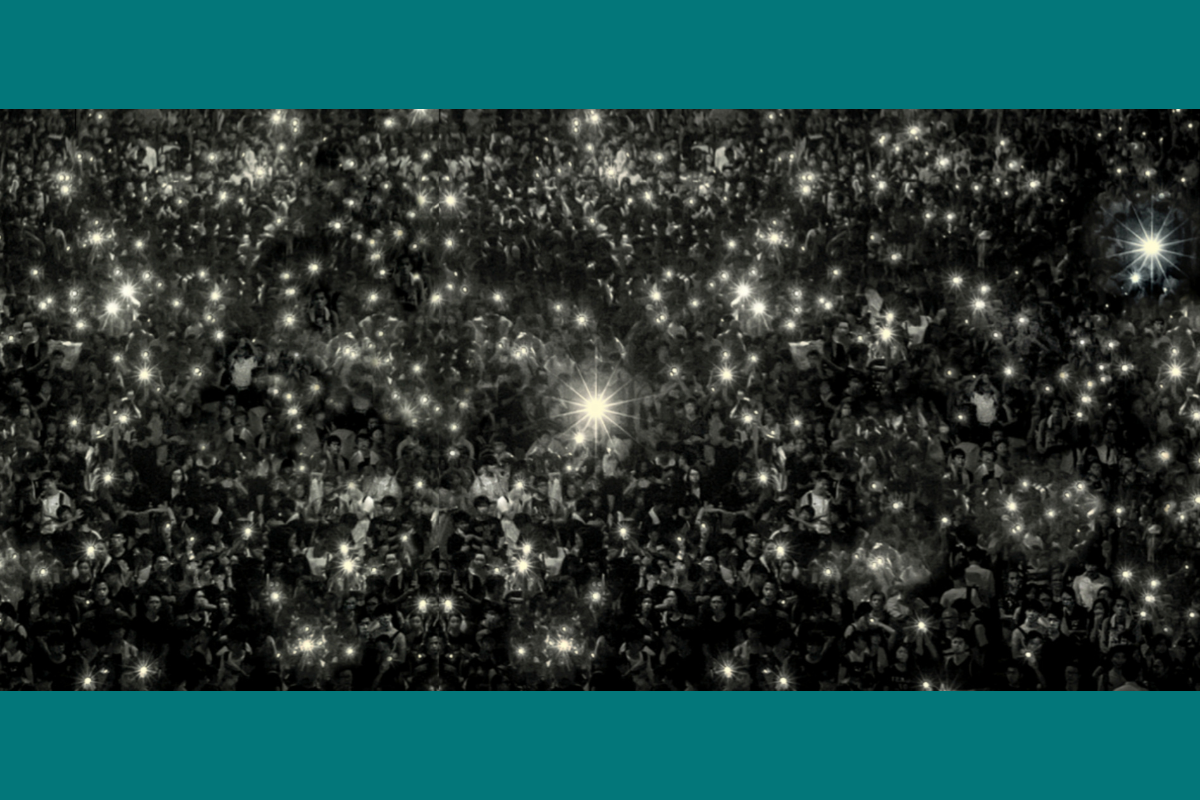
While Caitlin Callenson and Daniel Suitor are hardly household names, they played pivotal roles in one of the most important free-speech stories of our time.
They were among the handful of bystanders who recorded the unprovoked and tragic ICE killing of Renee Nicole Good, a 37-year-old Minneapolis mother of three, on Wednesday. And though they may not have realized it at the time, filming acts of official violence against the public has helped expose our government’s most sordid corruption and even inspired progressive movements and activism.
The First Amendment broadly protects everyone’s right to record government officials in public. Throughout U.S. history, abusive leaders have inflicted acts of violence against people of color, protesters and anyone who challenges their authority. The violence is not new, but our ability to document it every day is.
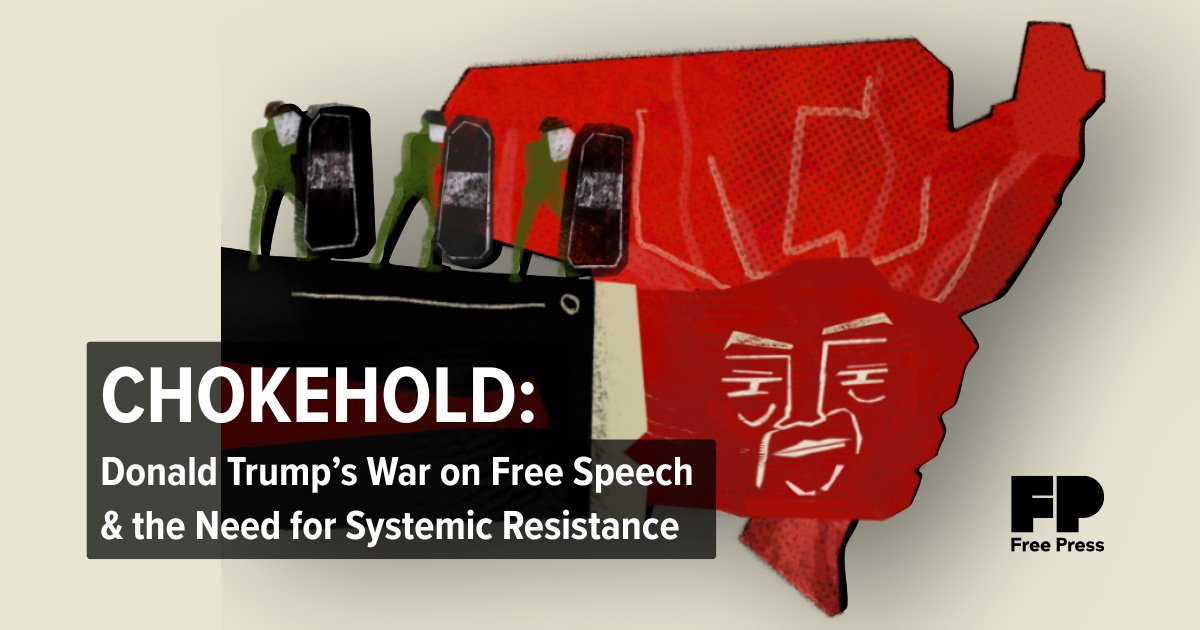
These very disturbing videos are engines of accountability. They tell a truthful story of what happened to Good — countering the deceitful account the White House is peddling to news media and anyone else who will listen. The bystander videos from the scene conclusively debunk the Trump administration’s attempts to justify the shooting and portray Good as a domestic terrorist seeking to harm ICE officers.
The videos also expose the brutality at the core of this administration. And they’ll likely be a big part of any legitimate investigation of the ICE shooter who took Good’s life. (Reps. Alexandria Ocasio-Cortez and Ro Khanna are leading efforts in Congress to see that he’s arrested and prosecuted).
Act of journalism ≠ act of violence
Those recording tense encounters between officers and the public are modern-day heroes. These are brave acts at a time when journalists of every type are being targeted by law enforcement and discredited by many in power.

After filming the April 2015 police shooting of Walter Scott, Feidin Santana told NBC News, “I felt that my life, with this information, might be in danger. I thought about erasing the video and just getting out of the community ... and living someplace else.”
Ramsey Orta, who documented the police choking death of Eric Garner in July 2014, was arrested on an unrelated gun charge the day after the coroner declared Garner’s death a homicide. After pleading not guilty, Orta told the judge that he was the victim of a “frame-up” as apparent retribution for sharing his Garner video with the media. “It’s payback for him exposing what they did to Eric Garner and the bad things that they were doing,” Orta’s mother, Emily Mercado, told CBS.
Darnella Frazier, who filmed the police murder of George Floyd in May 2020, later testified that she felt like she was in danger as police threatened to Mace her and other bystanders at the scene of their crime.
To make matters worse, the Trump administration has claimed that people like Callenson and Suitor don’t have a right to record ICE actions in public. Department of Homeland Security Secretary Kristi Noem recently equated videotaping officers as an act of “violence” that “threatens them and their safety.” Noem, of course, couldn’t be bothered by the brutal and unprovoked violence her officers routinely inflict on immigrant families and their communities.
 Grace Bellinghausen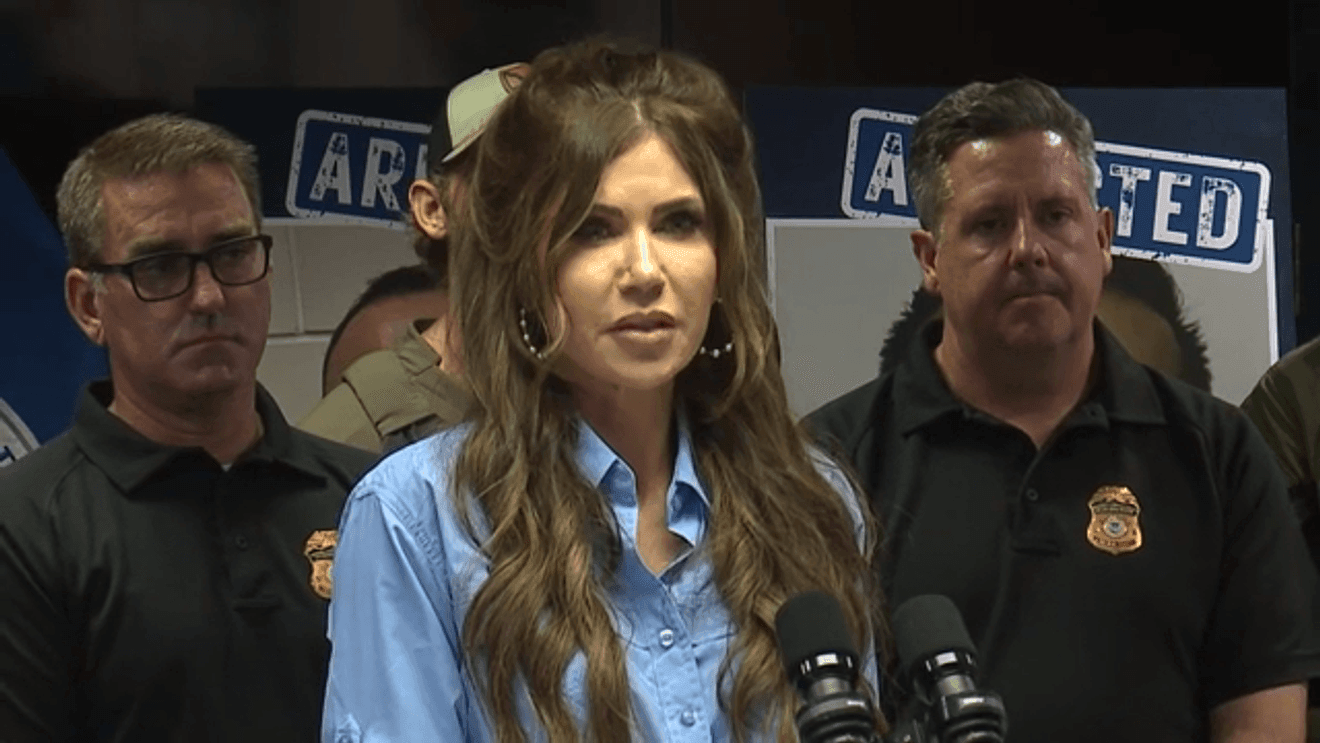
Accountability devices
The ubiquity of smartphones has spawned legions of bystander journalists like Callenson, Frazier, Orta and Santana. They may not think of themselves as reporters, but they make news simply by witnessing, recording and sharing newsworthy events. It’s an act that’s become so commonplace that few think twice about recording moments of interest or conflict as they unfold on the streets.
Numerous courts have found that the First Amendment protects an individual’s right to record provided filming does not physically interfere with law-enforcement operations. In 2011, the U.S. Court of Appeals for the First Circuit decided in Glik v. Cunniffe that private individuals have a clearly established right to film police officers performing their duties in public spaces. The “videotaping of public officials is an exercise of First Amendment liberties,” reads the decision.
In 2018, the Ninth Circuit decision in Adkins v. Department of Homeland Security involved the Customs and Border Protection arrest of two people for taking pictures of what the photographers believed were unlawful searches by authorities. “The First Amendment protects the right to photograph and record matters of public interest,” reads the decision. “The government's ability to regulate speech in a traditional public forum, such as a street, sidewalk, or park, is ‘sharply circumscribed.’”
Despite the many rulings, this right to record continues to face challenges across the country.
On June 14, 2025, police officers arrested journalist Mario Guevara as he was recording a protest against the Trump administration in the Atlanta area. He was charged with misdemeanor violations that were dropped within days. Regardless, ICE officers took him into custody, where he remained for nearly four months — often in solitary confinement — before he was deported to his native El Salvador.

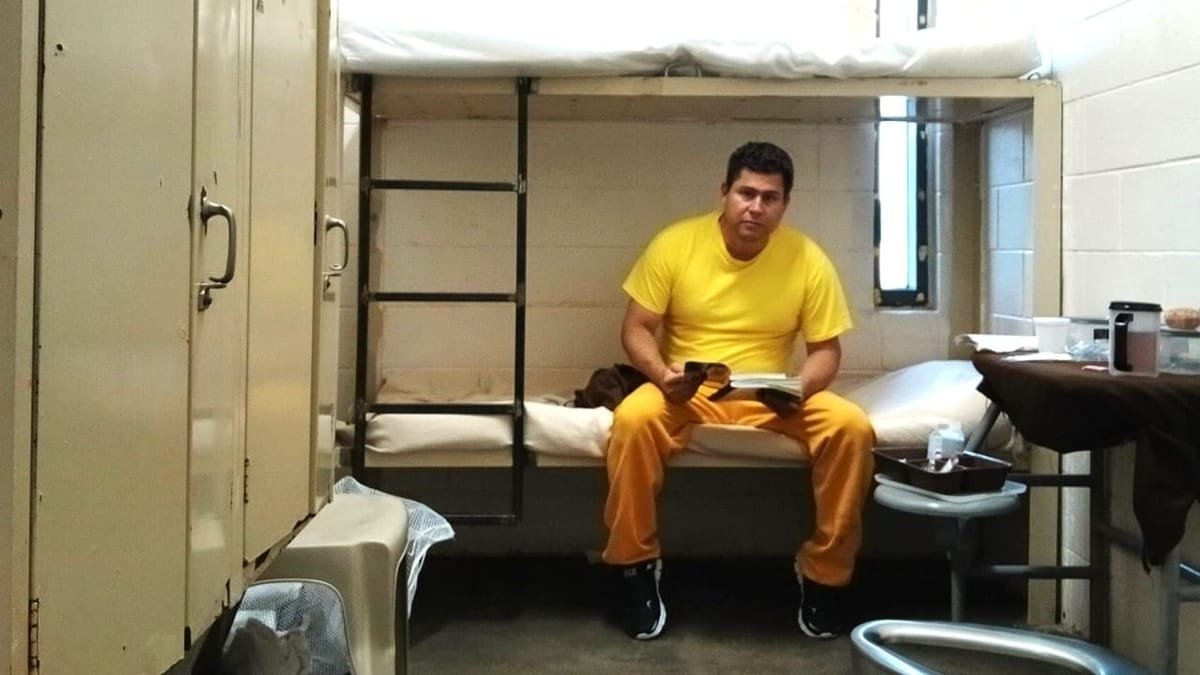
In subsequent immigration-court proceedings, ICE argued that Guevara should have remained in detention specifically for livestreaming its enforcement activities. ICE characterized his acts of journalism as a danger to their agents. Similar cases have proliferated since Guevara’s deportation, echoing the federal government’s effort to frame First Amendment-protected filming as criminal.
‘Expose we must’
Arizona, Florida, Indiana and Louisiana have all passed so-called “buffer zone” laws that establish a 25-foot, recording-free perimeter around police activity. Florida’s “Halo Law,” passed in 2024, makes it a second-degree misdemeanor to approach within 25 feet of a police officer after receiving a verbal warning to stay away.
Some of these state laws are already being challenged; the Reporters Committee for Freedom of the Press joined with a coalition of news organizations to win 2024 and 2025 rulings against Indiana and Louisiana buffer-zone laws.
“The First Amendment broadly protects our right to record government officials,” Free Press Senior Counsel Nora Benavidez told Pressing Issues. “The only reason those in power would seek to prevent people filming them is because of the damning acts such videos and recordings expose. But expose we must — in accordance with the rule of law and in defiance of a corrupt and abusive regime.”
Though cases involving our right to record have not yet reached the Supreme Court, it may only be a matter of time. While we should always be careful what we wish for from this Supreme Court, most of the lower courts have found a rock-solid First Amendment argument for documenting law-enforcement officers in public.
While the media landscape has changed, our First Amendment rights haven't. Freedom of the press is more important — not less — when anyone with a mobile phone can commit acts of journalism.
Open tabs
For an illustration of the importance of bystander videos, see Bellingcat’s meticulous reconstruction of Wednesday’s incident in Minneapolis. This careful analysis captures minute details within each video and maps where each bystander stood as the shooting unfolded.
We've analysed this video of the shooting of Renee Nicole Good yesterday in Minneapolis frame-by-frame to highlight the positioning of the gun and phone in the ICE agent's hands. Video: @minnesotareformer.com with annotations by Bellingcat
— Bellingcat (@bellingcat.com) 2026-01-08T18:38:25.420Z
Oliver Darcy at Status has learned that Bari Weiss, CBS News’ Trump-approved minder, has held up another 60 Minutes report — Anderson Cooper’s investigation of Trump’s decision to accept white South African refugees — that is “guaranteed to provoke Trump and inflame his MAGA base,” according to Darcy.
 Oliver Darcy
Over its nearly 100-year history, the Pittsburgh Post-Gazette survived a world war, stock-market crashes, presidential assassinations, terrorist attacks and insurrections, writes veteran media reporter Eric Deggans. “Unfortunately, it couldn’t survive the partisan, ham fisted ways of its owners.”
 Switching Codes w/Eric Deggans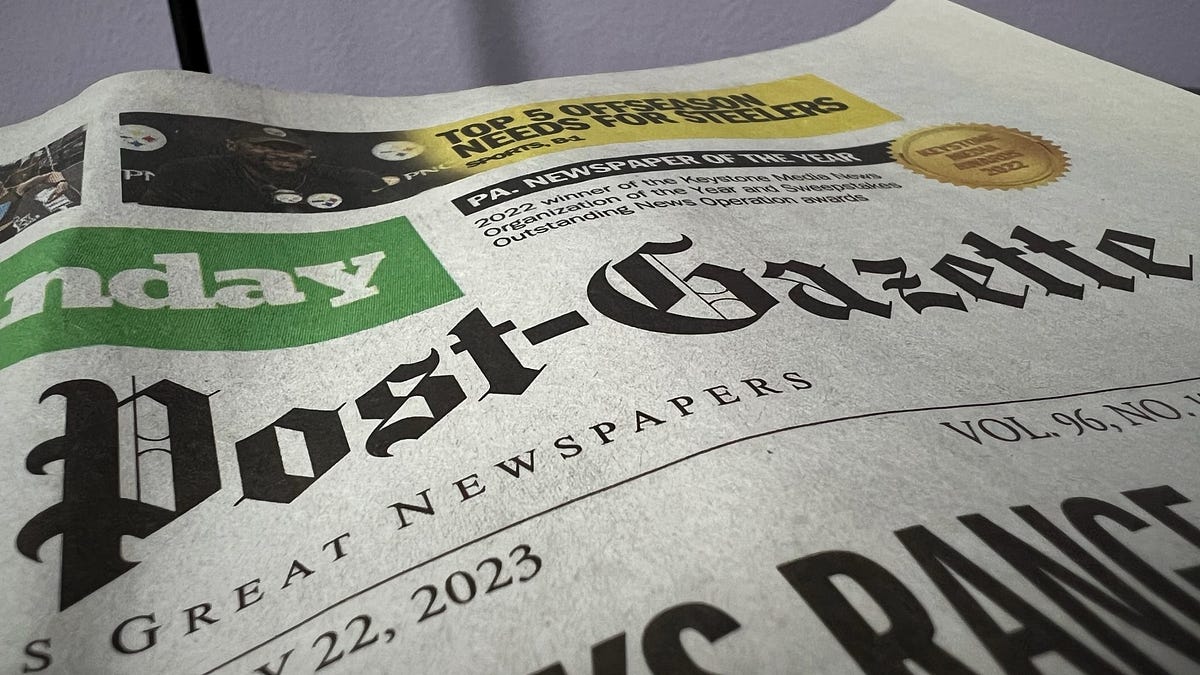
The kicker
“We have to make sure that a media agenda is central to this pro-democracy project. And if there’s any silver lining here, it is that during the Trump years, we’re seeing all these institutions being hollowed out, but it means that we must rebuild.” — Free Press Board Chair Victor Pickard at The New Republic
About the author
Timothy Karr is the senior director of strategy and communications at Free Press. He’s worked as a photojournalist, foreign correspondent and editor for major news outlets. His commentary on the media has appeared in dozens of magazines and newspapers worldwide. Follow him on Bluesky.