The States Step Up to Stop Nexstar’s TV Takeover
When the FCC won’t do its job or respect the law, it’s time to go to court

Here at Pressing Issues, we’ve been sounding the alarm for months about the dangers of the Nexstar-Tegna merger, the corrupt process pushing it forward, and FCC Chairman Brendan Carr’s efforts to extort and exploit the deal to gin up flattering coverage for the channel-surfer-in-chief.
“We know what this deal means for local communities,” I wrote back in January. “We know it will destroy jobs. We know it’s illegal. What we don’t know yet — with Brendan Carr and Donald Trump in charge — is if any of that matters anymore.”
Well, it does still matter, I’m pleasantly surprised to report, and reinforcements have arrived!
Late Wednesday night, California Attorney General Rob Bonta announced he was filing suit to block Nexstar’s takeover of Tegna, joined by AGs from Colorado, Connecticut, Illinois, New York, North Carolina, Oregon and Virginia.
“This merger is illegal, plain and simple, running contrary to federal antitrust laws that protect consumers,” Bonta said in his statement. “When broadcast media is owned by a handful of companies, we get fewer voices, less competition, and communities lose the critical check on power that local journalism delivers.”
Right in time for March Merger Madness, this Elite Eight has moved aggressively. The AGs got the jump on the Department of Justice — which meekly signed off without conditions on Thursday night.
The FCC quickly followed suit, rubber stamping the deal with exceedingly minor concessions and claiming it can just ignore Congress’ explicit ownership limits because it feels like it. Carr pushed the decision through an agency bureau, refusing to hold a vote in public, even though the FCC has a hearing scheduled for next week.


With Congress asleep at the switch, the DOJ staff defenestrated, and FCC leadership corrupted, the states needed to step up. And the AGs have presented a powerful case for blocking this deal: At the core of their argument is evidence that the merger would be disastrous for competition, jobs and local journalism, too.
Full-court pressure
At Free Press, we’ve been working closely with labor unions and leading a broad coalition against the deal, which would give Nexstar control of hundreds of local TV stations reaching 80 percent of U.S. households in clear violation of the law.
If the merger were to go through untouched, Nexstar — the same company that yanked Jimmy Kimmel off the air and pledged to stamp out “activist journalism” — would control multiple stations in dozens of markets, from Dallas to D.C., Denver to Des Moines.
There’s no one I trust more on issues of media consolidation than my colleague S. Derek Turner, who has carefully investigated every corner of this deal. I also count on his skeptical eye to temper my enthusiasm for empty political gestures and not-quite-good-enough approaches.
But Turner’s actually optimistic about the attorney generals’ approach because it focuses not only on “how this merger would raise the prices we pay for pay-TV services, but how Nexstar's business model of closing newsrooms and duplicating coverage across its stations would harm local communities and broadcast workers.”
Unpacking the case
In our FCC petition to block the deal, Free Press and allies noted that Nexstar's market share in some places would be “even higher than Standard Oil’s was when the government broke up its monopoly” in 1911.
The attorneys general dig in here, focusing on how Nexstar’s control of multiple stations in the same market would give it unchecked power over “retransmission consent payments” — the money that pay-TV providers spend to carry local broadcasters. Or, I should say, the money that you pay, because these costs are always passed on to subscribers. If Nexstar succeeds in hiking these fees, your monthly bill will skyrocket.
That’s the core of a strong antitrust argument, but, as Turner points out, the lawsuit goes further to name the harms to local journalism, the workers who provide it, and viewers who want to know what’s actually happening in their communities. The suit notes that “eliminating independent news operations will diminish diversity in news coverage at a time when, with challenges to local newspapers, local broadcast news coverage is critical to the ability of an informed citizenry to participate in local governmental and community activities.”
The lawsuit further documents how “Nexstar has an established track record of consolidating newsrooms when it owns more than one station” in a market. That means a lot of pink slips for newsroom workers.
But even those who keep their jobs will suffer from Nexstar’s dominance. A post-merger Nexstar would employ nearly one-third of all workers in TV broadcasting, reducing their bargaining leverage against Nexstar — what the antitrusters call “monopsony power. That would be true nationwide — but in its market with multiple stations, Nexstar’s dominance over labor would be far worse.
Nexstar’s playbook
The AGs show how Nexstar saves money by eliminating “formerly independent newsrooms that generated their own stories, employed separate slates of staff and talent, and made separate editorial decisions.” Instead, communities get multiple channels with just one team of reporters, producers and anchors who “share a single website, and offer essentially the same local news.”
We know what that means: One slant on a story, one company deciding what’s newsworthy, nobody competing for scoops.
These concerns are especially germane here, Turner says, because Nexstar, who already owns the national cable TV news channel NewsNation, will have strong incentives to cut expenses by replacing local reporting with regional and national stories.
This is particularly alarming in light of Nexstar’s relationship with the Trump administration and the FCC. In exchange for regulatory favors, Trump and Carr have demanded political fealty and ideological conformity — which Nexstar seems all too happy to provide.
“Nexstar would gain significant control over editorial policy and have the power to suppress viewpoints and exclude voices that are essential to a robust political and social discourse,” the AGs note.
Beat the new bosses
There’s a direct connection between censorship and media consolidation. When the administration can’t bend coverage to their will, they’re trying to install new bosses at media companies willing to do it for them.
And if they get away with this one, more deals will follow. “If this unlawful FCC waiver and merger grant are allowed to stand,” says my colleague Matt Wood, “we can expect many more deals like this one. If it goes through, this deal would create yet another tectonic shift in broadcast media, away from local control and independence toward total control by massive national conglomerates whose owners are more beholden to Trump’s political agenda than they are to the needs of their communities.”
That’s why this week’s action by Bonta & Co. is so meaningful and encouraging. It shows that political leaders and antitrust enforcers are beginning to understand that there’s more at stake in these mergers than business models and profit margins. It’s about whether we’re going to have an informed citizenry and a functioning democracy.
Let’s hope the states go after Paramount-Warner Bros. next …
Teamwork
Tuesday’s Pressing Issues was featured in my appearance on Democracy Now! this week discussing the Trump administration’s threats to the media over war coverage. You can check out the segment below:

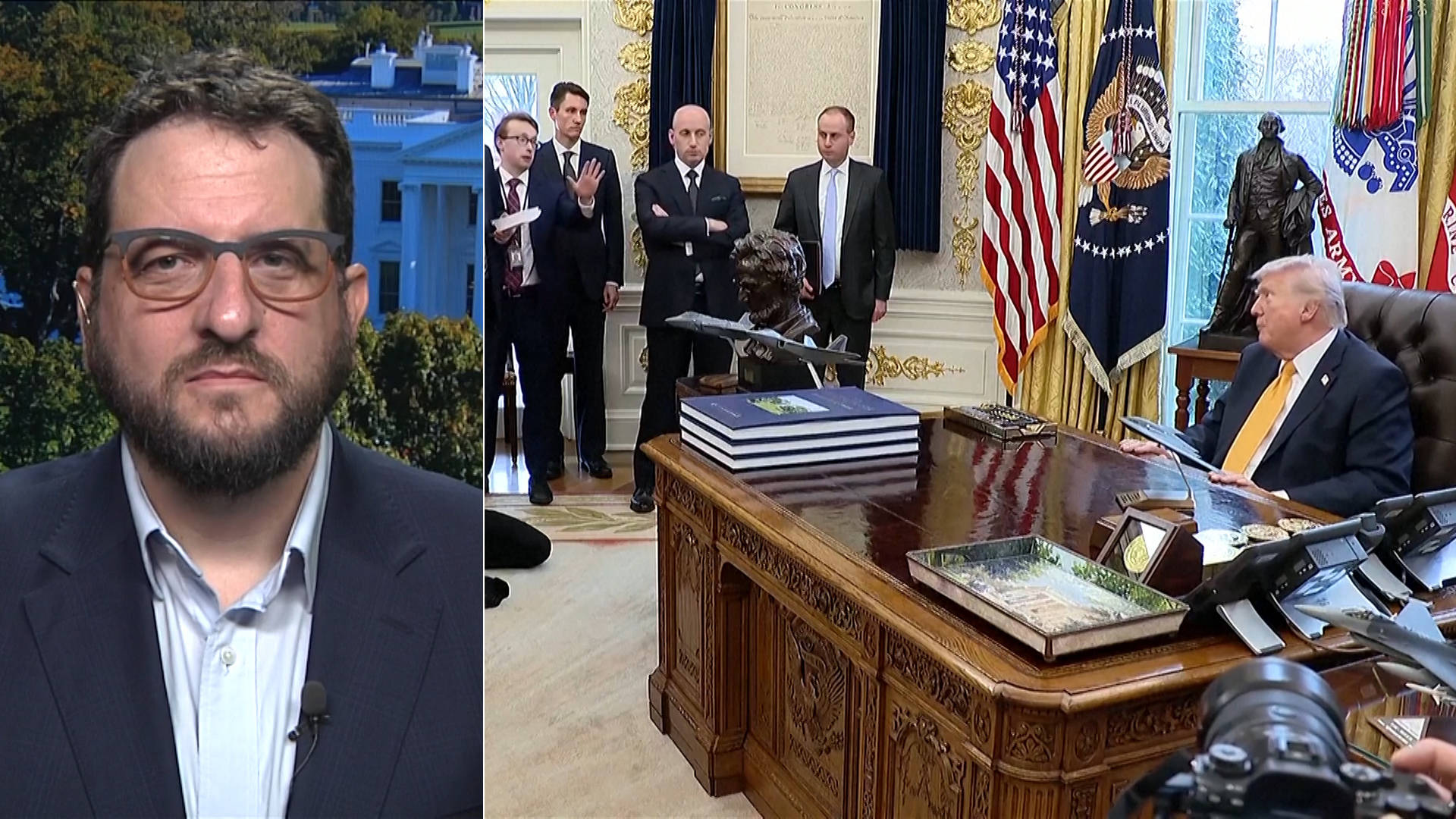
Nora Benavidez’s work — highlighted here in December — is at the center of this excellent Nonprofit Quarterly piece “The Ellisons’ Empire: Media Consolidation, Narrative Control, and the Threat to Democracy.”
 Coty Poynter
And Pressing Issues co-editor Julio Ricardo Varela has a new opinion piece up at MSNOW that explores the fallout from the César Chávez sexual-abuse allegations and concludes that women like Ana Murguia, Debra Rojas and Dolores Huerta are the survivors we all need to listen to now.
 Jarvis DeBerry
There’s also an update to the story of journalist Estefany María Rodríguez Florez, who was detained by ICE on March 4. On Thursday night, Rodríguez Florez was released from ICE custody on bond.
 Mikeie Honda Reiland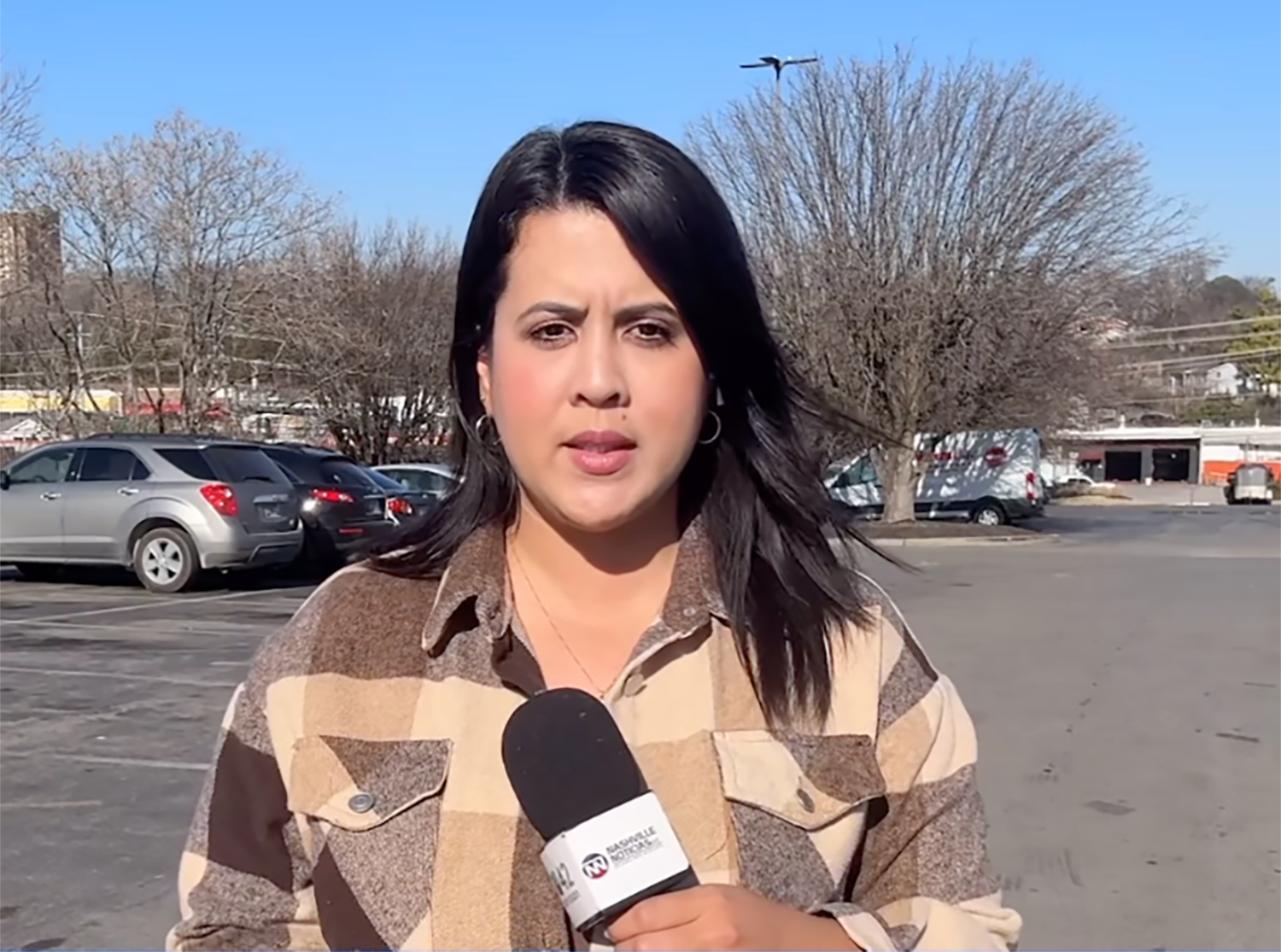
The kicker
“The idea that somehow enforcement has been politicized is ludicrous.” – dubious spin from Omeed Assefi, Trump’s acting DoJ antitrust chief
About the author
Craig Aaron is the co-CEO of Free Press and Free Press Action and a guy with two first names. Follow him on Bluesky.