Stop the Merger Madness
Rule No. 1 when big deals get announced: Don’t believe the hype
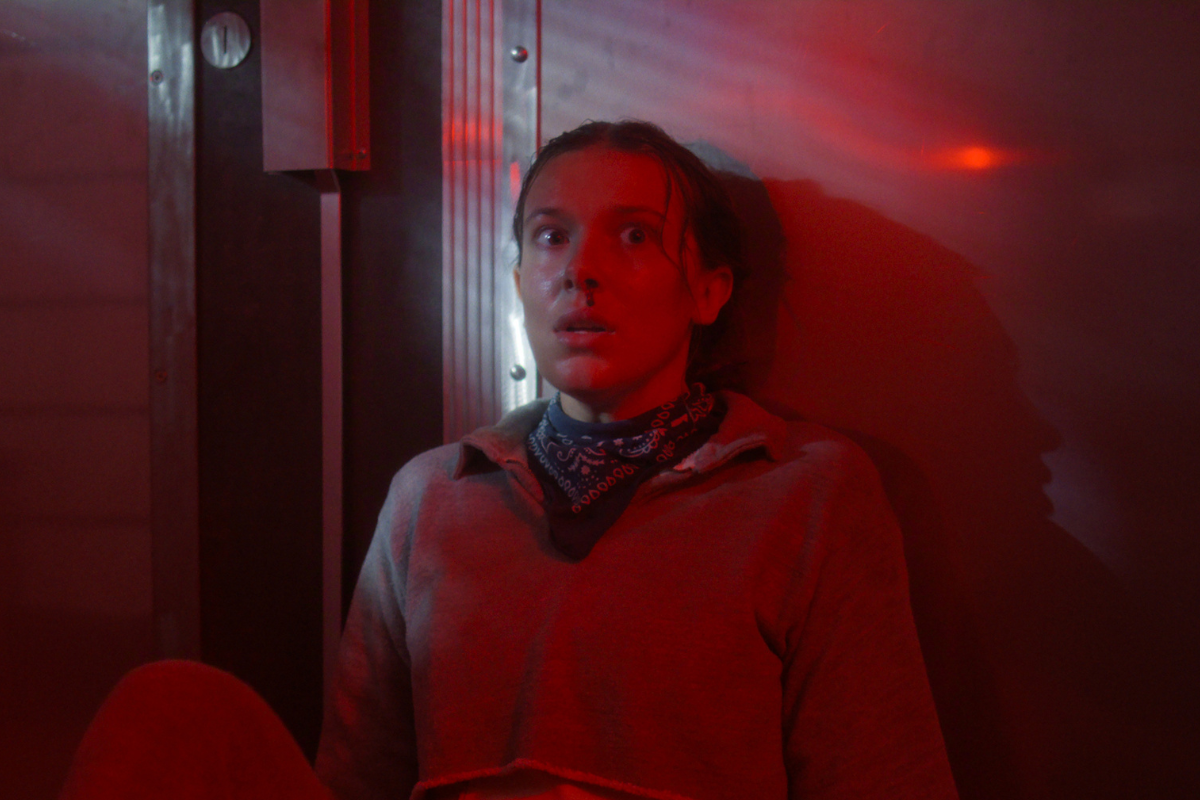
Netflix announced early Friday morning that it has an $82.7 billion deal in place to acquire most of Warner Bros. Discovery (WBD), a company that’s itself a flailing and failing product of several previously touted mega-mergers.
Netflix is the big winner in a bidding war with Comcast and Larry Ellison & Son’s Paramount. But it’s hard to have much of a rooting interest in the Mind Flayers vs. the Nepo Babies because the losers in mega-deals like this are always creators, writers, workers and the rest of us sitting in the audience.
Legendary activist and actor Jane Fonda published an Op-Ed in The Ankler on Thursday before the deal was officially announced, warning of the dangers of a WBD takeover by any of these suitors and urging her fellow creators to speak out.
“Consolidation at this scale would be catastrophic for an industry built on free expression, for the creative workers who power it, and for consumers who depend on a free, independent media ecosystem to understand the world,” she writes. “It will mean fewer jobs, fewer opportunities to sell work, fewer creative risks, fewer news sources, and far less diversity in the stories Americans get to hear.”
 Jane Fonda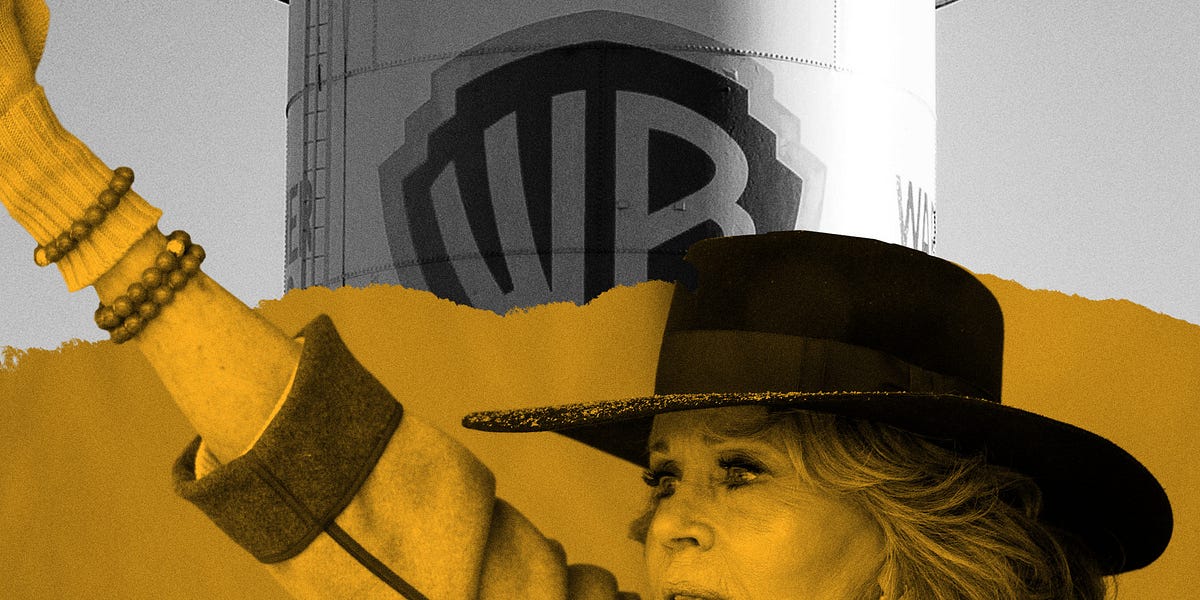
Fantastic hype beasts and where to find them
If Hollywood is good at anything, it’s hype. Rolling out a mega-merger is like releasing a blockbuster. While the companies’ publicists and executives will try to create an air of inevitability and finality around a deal like this, we’re still just watching the trailer.
It will take more than a year for a deal of this scale to be finalized, and it will be scrutinized by the Justice Department, state attorneys general and European regulators, too. They could bless the deal, block the deal or demand concessions. Any claims being made now by executives, Wall Street analysts and heads talking over stock tickers should be met with skepticism.
In other words, Harry Potter & the K-Pop Demon Hunters isn’t dropping next week.
The Trump card
But that doesn’t mean you shouldn’t be concerned. As Fonda explains, there’s a lot more at stake here than industry economics. “As dangerous as the economic fallout could be, it is not what scares me most,” she writes. “What terrifies me — and should terrify anyone who cares about a free society — is how this administration has used anticipated mergers as tools of political pressure and censorship.”
In the Trump era, corporate media executives have been all too willing to sacrifice anything and everything — except their bloated compensation packages — to get these deals done. They’ll abandon their journalists, censor their stars, deep-six every diversity program, slant their coverage and pay bribes thinly disguised as legal settlements and movie deals.
Thus far, Netflix hasn’t bowed and scraped to Trump like other major media firms. Though that was before they had a multibillion-dollar deal pending with thorny antitrust issues. Meanwhile, the Ellisons’ whole argument for why Skydance should get WBD is “Trump likes us best.”
Unlike the Ellisons’ proposal, this Netflix deal wouldn’t put CNN and CBS under the same roof — which is a small bit of good news. But the network will be split off into a separate company with an uncertain future, not unlike Comcast’s jettisoning of MSNBC. Which means it could still be a target for a future Trump crony to buy and ruin.
Burden of proof
There’s going to be a lot of ink spilled about how these deals are unavoidable and then, inevitably, about who needs to merge next to keep up with the Netflix Bros. What we should be asking instead — but never seem to do — is whether mega-mergers like this ever do anything good for anyone?
The onus on Netflix and Warner Bros. should be to prove why this merger has any benefit to the public or even the companies themselves. What would make this deal any different from the failed experiments that created WBD itself or AOL Time Warner, for that matter? Where’s the evidence?
The path to this mega-deal was paved with one failure after another. Looking at the history of media mega-mergers, all I see are lies, broken promises and strategic blunders. The reality is that merger madness has been a disaster not just for workers and creators, viewers and subscribers — but for these businesses, too.
Look how we got here: Time Warner bought Turner. Time Warner bought AOL, then the dot-com bubble burst and Time Warner split from Time Warner Cable. Then AT&T bought DirecTV and Time Warner, had no idea what to do with any of it, and spun out Warner Bros. to Discovery.
Warner Bros. has been at the center of three of the biggest media mergers of all time — and for what? What have we accomplished here? Who is this for besides M&A lawyers and bankers — and their real estate agents?
As the Writers Guild of America said in October when the bidding war began: “Merger after merger in the media industry has harmed workers, diminished competition and free speech, and wasted hundreds of billions of dollars.”
 Gene Maddaus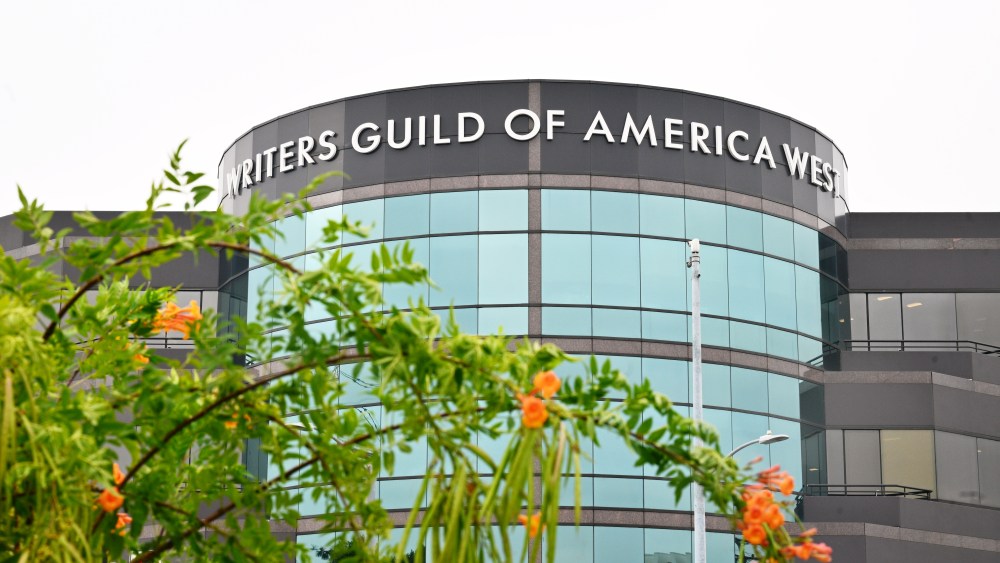
Imagine if we had invested that money instead in new content and creators, if we had hired thousands of new journalists and seeded hundreds of new films and documentaries, if we made art and not just acquisitions.
Mega-merger dangers
I’m in Los Angeles today for an event organized by the International Documentary Association (IDA), to talk to filmmakers about the dangers of media consolidation, cuts to crucial public media funds and other emerging threats to press freedom and free expression.
In all these mergers — every time, no matter the promises — thousands of people lose their jobs. We know that less competition means studios and distributors taking fewer chances; it means less creativity and fewer new voices getting their shot.
In the weeks and months ahead, we’ll get more details on this merger, and we’ll do the deep dives and economic analysis about what’s at risk. But we also need to change the narrative around these deals with such huge implications for what we watch and read every day, for our ability to express ourselves freely, for the future of this democracy.
We don’t have to let Netflix’s Ted Sarandos or WBD’s David Zazlav — or Donald Trump, Lord help us — set the terms of this debate. It’s our job to ask the hard questions, to demand a seat at the table, and to make the opposition visible. And who better to help do that than artists, creators and storytellers?
And that’s where I am encouraged, because groups like Fonda’s Committee for the First Amendment, the IDA, the Future Film Coalition, Producers United, the Writers Guilds and others are speaking out. New alliances are forming with media activists like Free Press and antitrust groups.
Squint and you can see the emergence of a powerful and winning coalition of the workers, writers, artists and creators who will otherwise find themselves on the wrong side not just of this deal, but any that might follow. If we can harness the collective power not just of these groups but their audiences and many fans, a different media future is indeed possible.
We lose when we are divided into narrow interests and silos. But as Fonda writes of previous generations who united to oppose McCarthyism: “They understood that the only antidote to fear is solidarity.”
Teamwork
On Wednesday night, high-priced telecom and cable lawyers were in a ballroom in D.C. toasting the FCC’s Brendan Carr at the annual “Chairman’s Dinner” — a wonkier spin on a celebrity roast, where the FCC chair tells “jokes” to the communications bar.
But this isn’t every other year. So Free Press, Public Knowledge and TechFreedom, working with video artist Robin Bell, sent a message from across the street about what’s really at stake:
Inside: Industry lawyers toasting Censorship Czar Brendan Carr Outside: @freepress.bsky.social @publicknowledge.bsky.social @bellvisuals.bsky.social
— Craig Aaron (@notaaroncraig.bsky.social) 2025-12-03T23:16:45.772Z
Our friends at Public Knowledge also made a video about the action, including the “FCC Censorship Commission” pins worn by many silent protesters inside the event.
Last night, @publicknowledge.bsky.social and @freepress.bsky.social made sure FCC Chairman Brendan Carr got the message loud and clear: serve the public and hands off our #FirstAmendment rights! Learn more about how we're resisting censorship at publicknowledge.org
— Public Knowledge (@publicknowledge.bsky.social) 2025-12-04T21:59:14.748Z
The kicker
“Friends don’t lie.” — Eleven
If only you could say the same thing about merging companies …
About the author
Craig Aaron is the co-CEO of Free Press and Free Press Action and a guy with two first names. Follow him on Bluesky.