Community Media Centers Can Benefit from New Public-Funding Models for News and Civic Information
A Pressing Issues conversation with Matt Schuster, executive director of Public Media Network

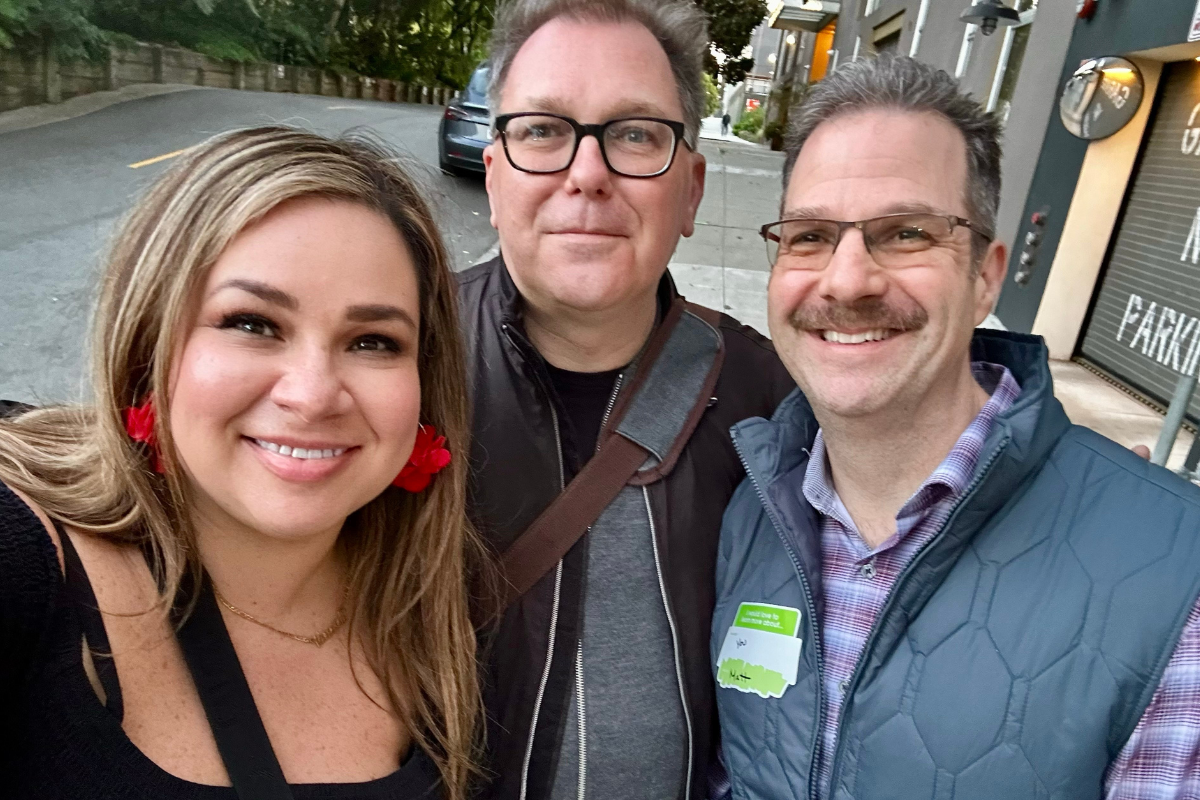
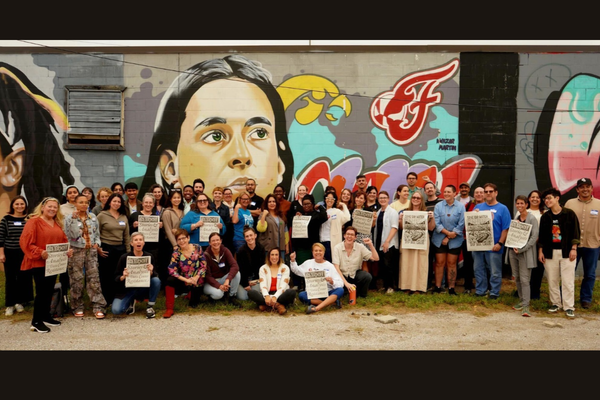
Earlier this summer, I attended the Alliance for Community Media’s 50th annual conference in Madison, Wisconsin. Founded in 1976, ACM represents more than 1,700 Public, Educational and Governmental (PEG) access organizations and community-media centers throughout the country. These organizations primarily operate public, government and educational-access (PEG) TV stations, but many also include Low Power FM radio stations, youth-media programs and media-production classes. They are often the last bastions of free speech — especially in communities that don’t have any other local-news sources.
While community media organizations typically don’t include traditional newsrooms, many provide high-quality news programs and cover civic meetings, filling gaps left by legacy media that have either disappeared or failed to serve communities of color. These organizations cablecast and/or stream city council meetings and school board meetings, host candidate forums, create voter guides and host Documenters programs, which train community members to cover local meetings. Community media organizations also train thousands of citizen journalists to produce their own news and public affairs programs.
Community media centers in the United States derive most of their income from local cable-franchise agreements. They also get income from foundation grants, grassroots fundraising and fee-for-service programs.
Like many newsrooms and nonprofit organizations, they face uncertainty over how they will stay afloat. For the past several years, the number of cable subscribers has declined as demand for streaming services has increased. This has resulted in lower franchise fees and less funding for community media centers. And like many newsrooms, they have had to do a lot more with a lot less.
This is why some community media centers are seeking new funding sources, including public-funding models such as the New Jersey Civic Information Consortium and taxes on streaming services.
After the conference, I spoke with Matt Schuster, executive director of Public Media Network, a community media center in Kalamazoo, Michigan. He’s been active in conversations about public funding for PEG, local news and public media, thinking about ways to solve the funding crisis across the media ecosystem.
This conversation has been edited for length and clarity.
Vanessa Maria Graber: Can you share a brief overview of the current funding landscape for PEG stations, which are typically funded through cable-franchise agreements?
Matt Schuster: Over the last 10 years, we’ve seen a gradual attrition of cable subscribers, leading to a steady erosion of cable revenue. And many community media centers and PEG stations, whether they're structured that way or not, have had their funding tied to a percentage of the revenue cable companies earn from cable.
VMG: Given that the revenue fund is declining, more people are moving to streaming services and platforms like YouTube and Twitch. Where do you see opportunity in this policy space, in the ways in which community media centers could envision getting future funding?
MS: In the shift from cable to streaming, the cable companies aren’t necessarily losing overall subscribers. They’re losing cable subscribers while gaining broadband subscribers, and those people are subscribing to streaming services through broadband. And the historic funding foundation has been based on the idea that cable companies were compensating cities for additional use of the right of way.
For most cable companies, their broadband lines are the same as their cable lines running through the right of way, but federal law is set up so they don’t have to pay any revenue, or they can’t calculate that share for the broadband service because they entered as a cable company. It’s a convoluted federal distinction that’s outdated and needs to catch up.
The opportunities are to see how people are now using a different service that’s still using lines in the right of way, spectrum in our airwaves or other things to gain these services.
Those companies benefiting from the use of that bandwidth or the use of those lines — there’s an opportunity to potentially say that they need to pay some excise fees to help compensate and help communities share and connect with information in a way that they’re not able to anymore, or in a way that the funding is disappearing.
At the same time, organizations need to shift how they do their work, stop being tied to legacy platforms, and look at where audiences are, where people are gaining information and how we can shift our services to meet those needs.
VMG: Can you share how your community media center and others also play an important role in providing civic information, and why they might consider these consortium models for public funding?
MS: If you don’t look at traditional capital-J journalism, but instead lower-case journalism as sharing information, fostering discourse, elevating perspectives in a community — so people can engage, learn and lead toward change in their communities — then community media organizations have been playing a vital role in that for the past 40 to 50 years.
The most obvious and clear one is coverage of local government meetings. Many will say it’s for government transparency. If you take that and put a civic engagement lens on it and say, “How can people actually know what’s going on in their government? How can we make those meetings more useful for everyone, so they know what’s going on and get engaged before decisions are finalized?” That kind of government meeting coverage is critical, and local news is doing less and less of that coverage.
Here in our community, many local news organizations rely on that coverage to report on local government meetings. Beyond that, we are also amplifying and working with communities that have been historically left out of narratives or whose voices have been excluded. Community media has played a critical role in providing them with opportunities and outlets to tell their stories and share their perspectives. And community media centers do that without a strong gatekeeper organization.
We can sit in a room with news leaders and say, we determine what is important or what is news, but shouldn’t the community be determining what is important to share as well? And what news needs to be uplifted?
Community media has been playing that role. So, models like the New Jersey Civic Information Consortium can fund traditional journalism while also supporting the grassroots, bottom-up storytelling that is needed. So the communities themselves are helping to determine what’s important, what their voices are and [have] their perspectives equally shared.
VMG: Where would you like to see advocacy in the community media space? How would you like to see other community media centers work together and advance these issues?
MS: I would love to see us all start to come together, even across industries, to examine the strengths of the different pieces. How do we build upon those strengths to create a better model for the next 50 years of community, civic and/or public media? How do we build a policy structure that supports it?
In the end, we have to be out there telling our story. We have to be talking to people about our value and the impact our centers have on the community. We should not just talk about numbers like how we’ve covered 300 meetings, but instead, talk about what the difference we are making in our community as a result of our work.
What do our centers empower people to do? We’ve got to start working together to tell that story clearly across our communities and to uplift the different innovative models.
About the author
Vanessa Maria Graber is the senior director of journalism and media education at Free Press. She creates resources for newsrooms and trains journalists about civic journalism best practices, community engagement and meeting community-information needs. Follow Vanessa Maria on Instagram @newsjawn.
Teamwork
Compiled by Pressing Issues editors
Pause That Merger. In a Monday ruling, California federal District Judge Araceli Martínez-Olguín ordered a temporary halt to the $111 billion Paramount Skydance-Warner Bros. Discovery merger on the heels of a lawsuit 12 state attorneys general filed last week.
“It’s gratifying to see Judge Martínez-Olguín recognize the strength of the attorneys’ general case at this preliminary stage,” said Free Press’ Matt Wood after the ruling. “She noted that Paramount Skydance will suffer no economic harm whatsoever by allowing this antitrust challenge to play out in court.
“As we saw earlier this year, companies like broadcast giant Nexstar tried to game the system by claiming to close its takeover of Tegna even after many of the same states had filed to block that unlawful merger. Today’s decision is a logical and necessary step toward preventing the Ellisons from trying the same kinds of tricks.”

The kicker
“I think if we’re all looking at what the information needs are of our communities and how we best support those, it becomes less about who’s doing what role, but more about who can actually do the work, who has the resources for those roles and how we try to ensure that all of that is supported.” —Matt Schuster, Public Media Network