What’s Next in the People vs. Paramount?
The bad guys are losing, but we still have a long way to go


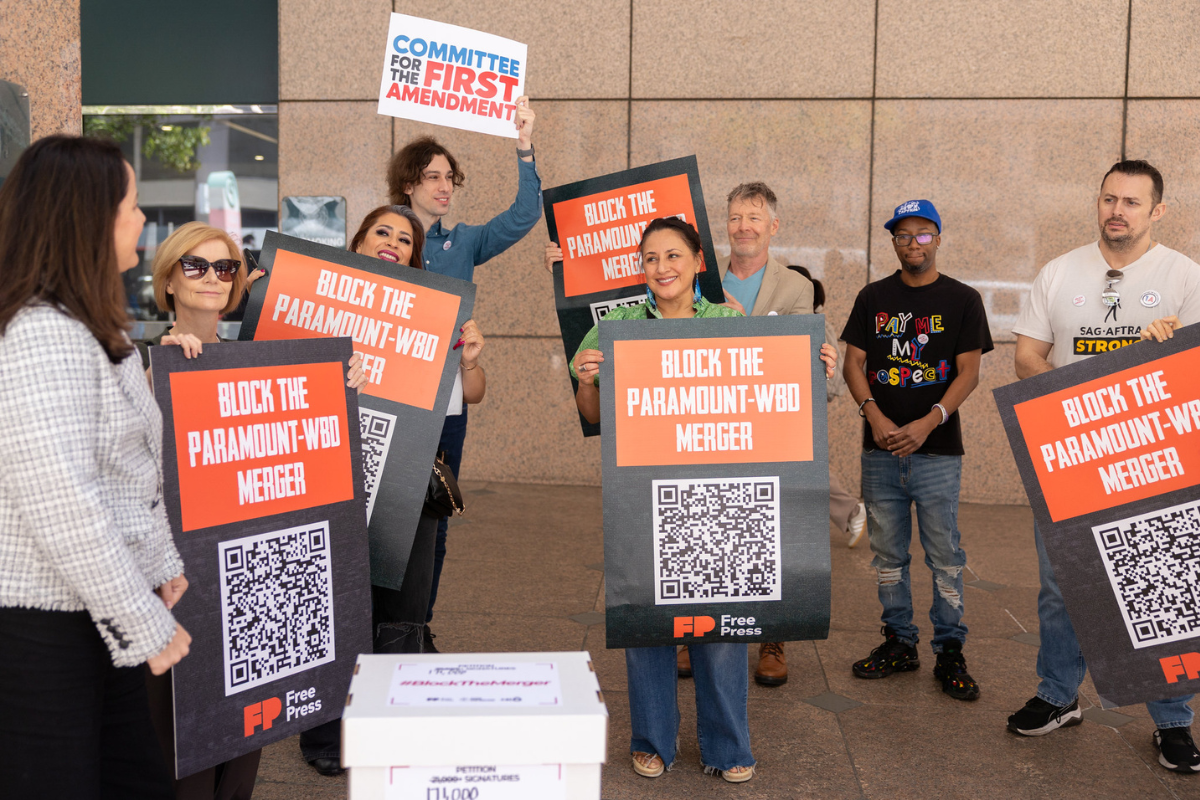
UPDATE: Right after Pressing Issues went to press, Paramount retreated, agreeing to pause the deal for months as it goes to trial. Here's the Free Press statement. The short version: Paramount promised a slam dunk and shot an airball. See you in court!
In a major milestone for the growing movement to stop corrupt mega-mergers, on Monday California federal District Judge Araceli Martínez-Olguín halted the $111 billion Paramount Skydance-Warner Bros. Discovery merger following a lawsuit filed by a coalition of 12 state attorneys general.
 New York Attorney General Letitia James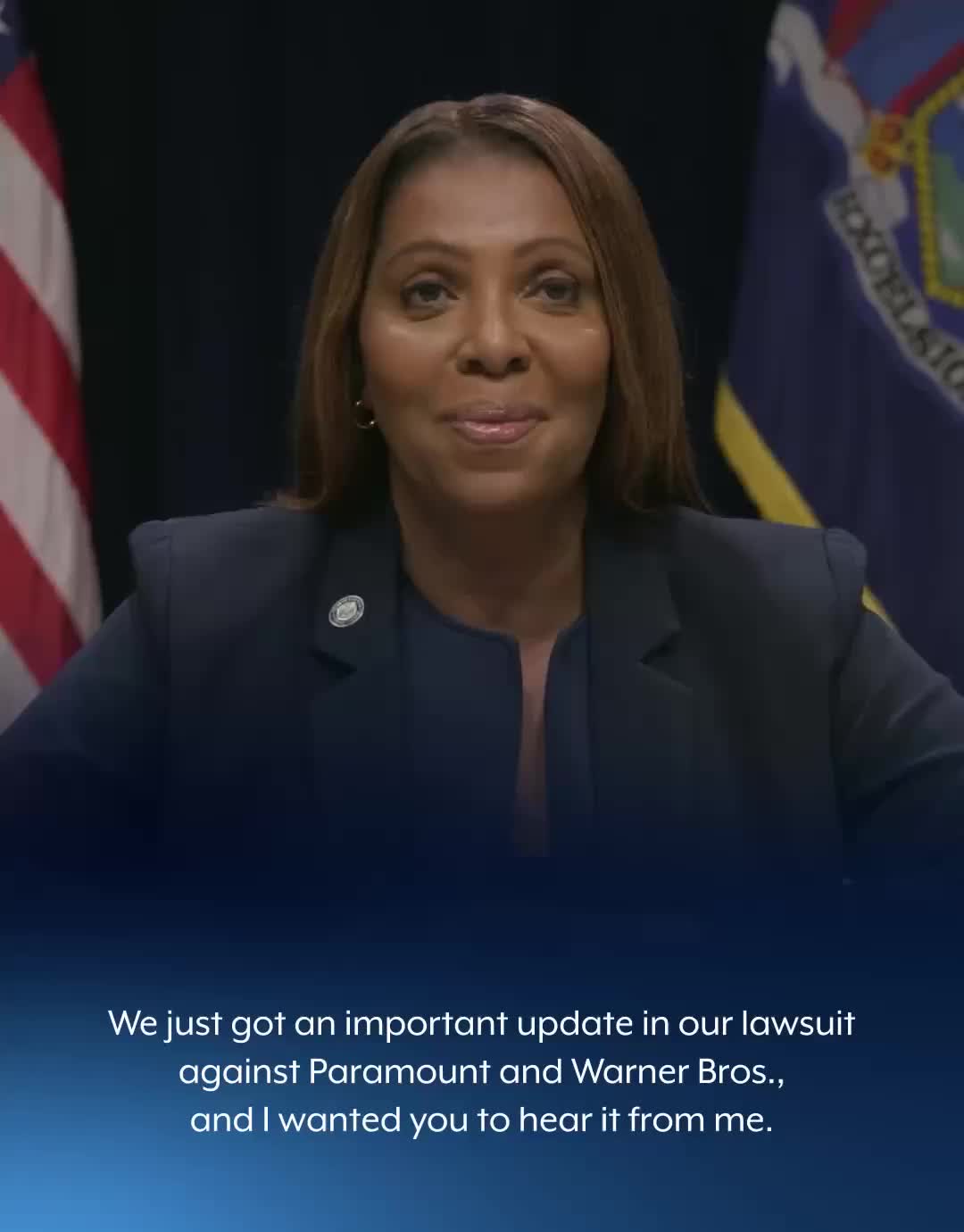
This initial ruling is important and could signal — as the companies’ slipping stock prices suggest — that the merger is in trouble. The states have a strong case, which the judge acknowledged in her ruling. This temporary restraining order sets up an even more important hearing where the court will consider a preliminary injunction. The hearing is currently set for Aug. 3 in Oakland, but the timing could change as the lawyers wrangle and negotiate. A preliminary injunction would block the merger until the judge rules on the merits of the states’ lawsuit.
We should be careful not to read too much into any initial hearing, but the prognosticators have reason to be cautiously optimistic. The states have done their homework, and the court seems skeptical of Paramount’s bluster.
 David Dayen
It doesn’t help Paramount that merger advocates close to the White House are smearing the judge — who was born in Mexico — with racist dog whistling.
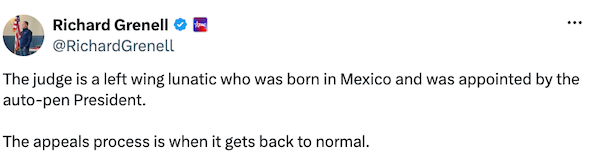
After first trying to paint merger opponents as antisemites, they’re moving on to immigrant bashing. It all smacks of ugly desperation.
Over the next few weeks, rumors will fly about settlements and backroom deals — most of them courtesy of leaks from Paramount. We should always be skeptical of legal illusionists discovering magical statutory loopholes, newly minted experts in Polish antitrust law, and armchair Supreme Court psychologists. While the court process plays out — and it could be a long one — the watchword is patience.
Winning the next round
What will it take to secure a preliminary injunction? As Jessica outlined in a post for the Free Press blog last week that we’re remixing here, the state attorneys general must show:
- They are likely to prevail on the merits of their case;
- They will suffer irreparable harm or loss without the injunction;
- The harm suffered would outweigh any hardship caused to the opposing party by the injunction; and
- The injunction is in the public interest.
On paper, the state AGs have hit all these marks. In a giant merger like this, you can’t unscramble the egg once companies are combined, giving the court good reason to stop the deal from moving forward while it scrutinizes its earth-shaking impact on the news and entertainment landscape.
There’s recent precedent on the state attorneys generals’ side, too. In April, California Attorney General Rob Bonta and a separate but overlapping cast of AGs won a similar request for injunctive relief in an antitrust lawsuit seeking to block Nexstar’s acquisition of Tegna, which would create a local-broadcasting behemoth reaching 80 percent of U.S. households. Nexstar tried to rush past court review and claim its deal was done. It didn’t work, and the AGs have kept coming after them.

Tick, tick, tick …
Paramount is still telling investors that it plans to close the deal by September, lawsuits be damned. But the path isn’t that simple. The AGs’ lawsuit puts the company’s wish list and preferred timeline into serious jeopardy. And the Writers Guild of America has filed its own suit challenging the merger.
If Paramount fails to close the deal by the end of September, it has to start paying a “ticking fee” to Warner Bros. to the tune of approximately $7 million per day — or $650 million per quarter. That will add up, even for David Ellison’s billionaire daddy and the cadre of Middle Eastern wealth funds that are leveraging the massive debt load for this deal.
Oh, and daddy isn’t as rich as he used to be.
A trial and all the appeals could take years — which is a long time for Paramount to maintain shaky financing, appease skittish shareholders and hope its political allies remain in power.
Let’s not make a deal
As the pressure mounts in the weeks ahead, you’ll likely hear a whole variety of alluring but totally unenforceable promises, empty pledges to bring film production to other states, and minor compromises to put more movies in theaters. We have decades of evidence that so-called behavioral conditions don’t work and never last. It’s just an effort to fracture the big, bold coalition we’ve built over the past nine months.
Paramount has floated largely meaningless concessions in hopes of cutting a deal with government officials and industry players. They’ve also made empty threats to leave California — though Bonta rightfully dismissed this as a “desperate effort” and a “last-ditch attempt to blackmail my office” and let an illegal merger go through.
We’ve seen so much capitulation and coercion during this administration, it’s refreshing to see public officials stand up to the bullies. After the lawsuit was filed, California’s Bonta and New York’s Letitia James spoke with us and our coalition partners in a town-hall meeting about why the AGs brought the lawsuit, what the stakes are and what’s next in this fight. The AGs explained, in great detail, why they brought the case, noted the strong likelihood of success and unpacked what it means for our economy and democracy.
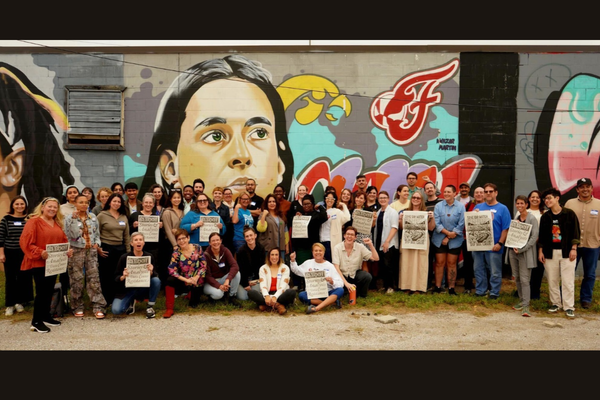
The AGs’ legal reasoning is strong, and they've collected solid evidence, with more creators squeezed by these giant companies finding the courage to speak out every day. Thousands of everyday people are signing petitions and showing up outside the courthouse because they’re sick of skyrocketing prices, warped news coverage, and billionaires controlling what they watch, hear and read.
It’s that coalition — actors and activists, union workers and small-business owners, filmmakers and journalists — that gives us the most hope and confidence. If we stick together, if we keep up the pressure on companies and the politicians, if we stay courageous and keep speaking out, we can stop this merger.
And that’s just one step, albeit a big one, to demanding the media we actually deserve.
About the authors
Jessica J. González is an attorney and co-CEO of Free Press and Free Press Action, where she leads efforts to transform the media system so it can support a just and multiracial democracy. Follow her on Bluesky.Craig Aaron is the co-CEO of Free Press and Free Press Action and a guy with two first names. Follow him on Bluesky.
Open tabs
Compiled by Pressing Issues editors
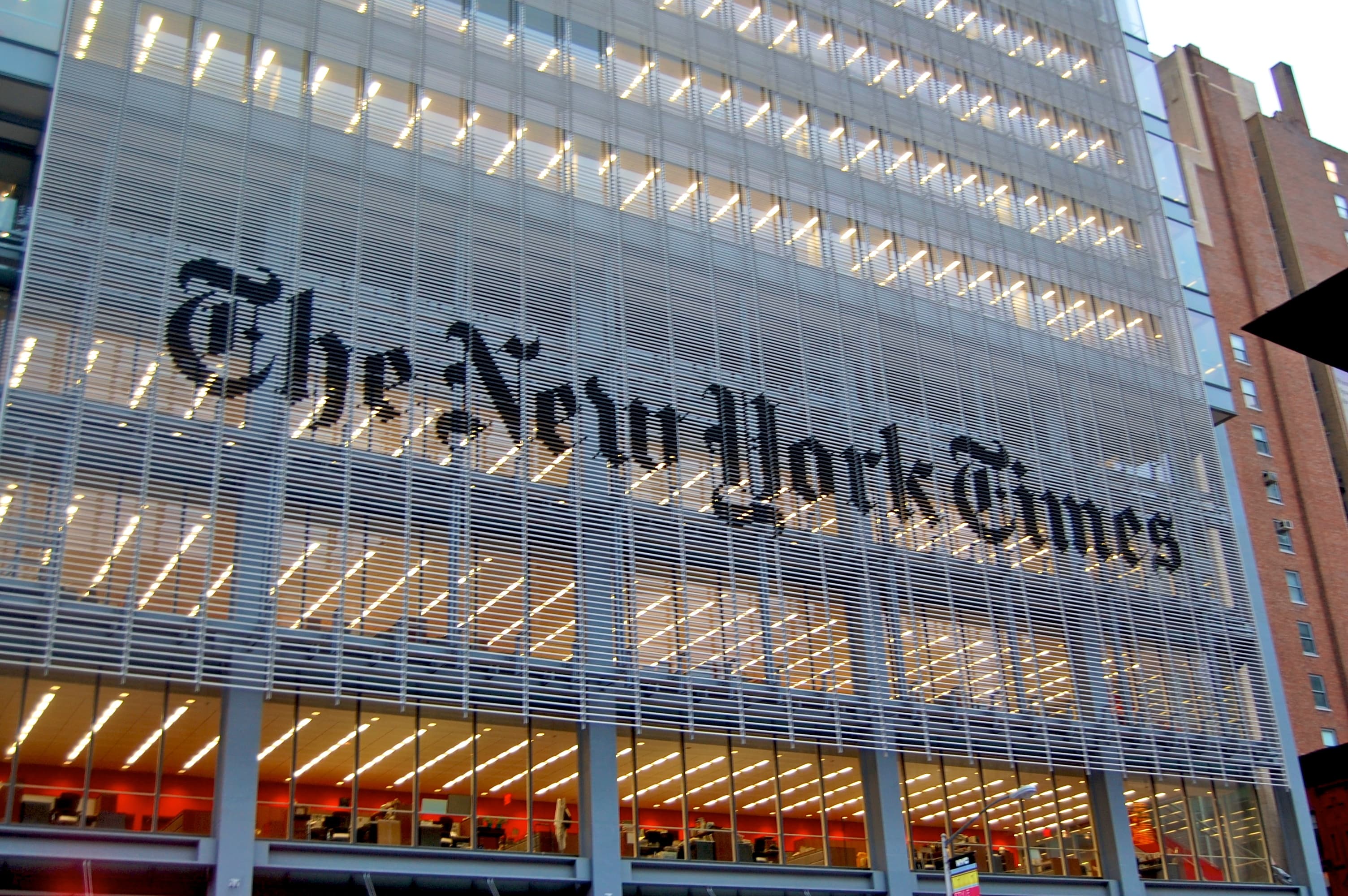
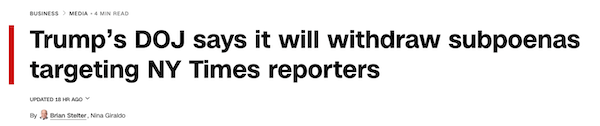
No subpoenas. On Thursday, the Department of Justice said it would withdraw subpoenas that sought phone records and grand-jury testimony from journalists at The New York Times — all because the journalists had committed “an alleged violation of federal criminal law” earlier this month by investigating security concerns about the Qatari-gifted Air Force One, CNN reported.
“Targeting reporters to appease the White House has reached a dead end once again in the federal courts. Judge Subramanian saw DOJ’s effort clearly for what it was: a brazen and careless government overreach,” Reporters Committee for Freedom of the Press President Bruce D. Brown said in a statement about the withdrawal.
 Reporters Committee