Five Good Things the New Congress Can Do on Media and Tech
Yes, even if Trump is still president


A week later, my head is still spinning at the nationwide rebuke of Trumpism — Georgia! Texas! Kansas! Mississippi?! — and with newfound hopefulness for the political possibilities ahead.
I hear you, cynics. Donald Trump is still president. Stephen Miller got a promotion. And what about all the problems in the world that electoral politics won’t solve?
We shouldn’t let well-earned skepticism of politicians obscure the opportunity to both repair the damage of the Trump regime — and reclaim the idea that policymaking should meet public needs.
At Pressing Issues, we focus on media and technology. The new Congress and the next two years present a chance for legislators to show what it looks like to demand accountability and fight for the rest of us.
So in the spirit of seizing the moment, here are five achievable, meaningful and winnable things that federal legislators can do next year to show which side they’re actually on — and to set the stage for more transformative changes in the future.
Investigate and impede
People want accountability. The biggest mistake a Democratic politician can make right now is misreading the public mood as a desire to move on. Disgust with corruption was a defining issue in this election, and we need answers and evidence collection on all the high crimes and misdemeanors of this regime over the past two years, from DOGE to ICE to the destruction of USAID.
Should impeachment be on the table? Of course. It’s easy to make a list of worthy candidates, from Pete Hegseth to Kash Patel to Todd Blanche to RFK Jr. — not to mention FCC Censorship Czar Brendan Carr. Still, you’re going to need 67 Senate votes to oust and remove any of them from office.
So it’s just as important that Congress understands its power and responsibility to impede the Trump agenda. That means using all the available tools: subpoenas, hearings under oath, procedural delays — whatever it takes. Connecticut Sen. Richard Blumenthal understands the assignment and is promising to send subpoenas if Trump lackeys like Carr won’t answer his questions.

The Senate should also block any new nominees who won’t defend the Constitution, who traffic in election lies or whose appointment would empower Trump’s worst actors. At the FCC, for example, there’s no excuse for appointing another Republican commissioner without also filling the required Democratic seats.
Subpoena the CEOs
Current and former government officials shouldn’t be the only ones who need to “lawyer up.”
“Subpoena CEOs,” urges former FTC Commissioner Alvaro Bedoya. “A shocking amount of time, they'll change what they are doing long before you pass a bill or actually cut off their federal funding.”
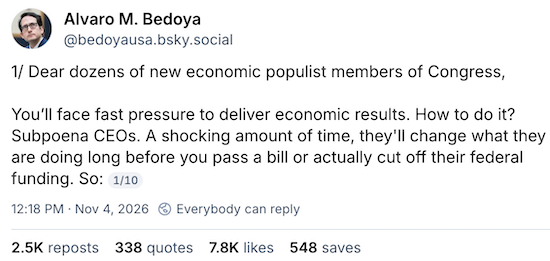
Bedoya names ripe targets like Google for “forcing kids to use AI” and the airlines for “systematically denying cash refunds to travelers.” But top media execs, too, must answer for their capitulation to and collusion with the Trump administration.
David Ellison refused to appear before Congress to explain his backroom deals to push Paramount’s mega-mergers, despite repeated requests for answers from Sen. Cory Booker and Rep. Jamie Raskin, who will soon wield the gavels as chairs of the Senate and House Judiciary committees.
Congress also needs to hear from Disney about the FCC’s censorship threats. How about a hearing on the many media-company legal settlements, Melania-glazing documentary deals and ballroom sponsorships that look like bribes?
End data-center NDAs
Data centers were one of the defining issues of the 2026 election — despite desperate attempts from corporate shills to claim otherwise.
 The Lever
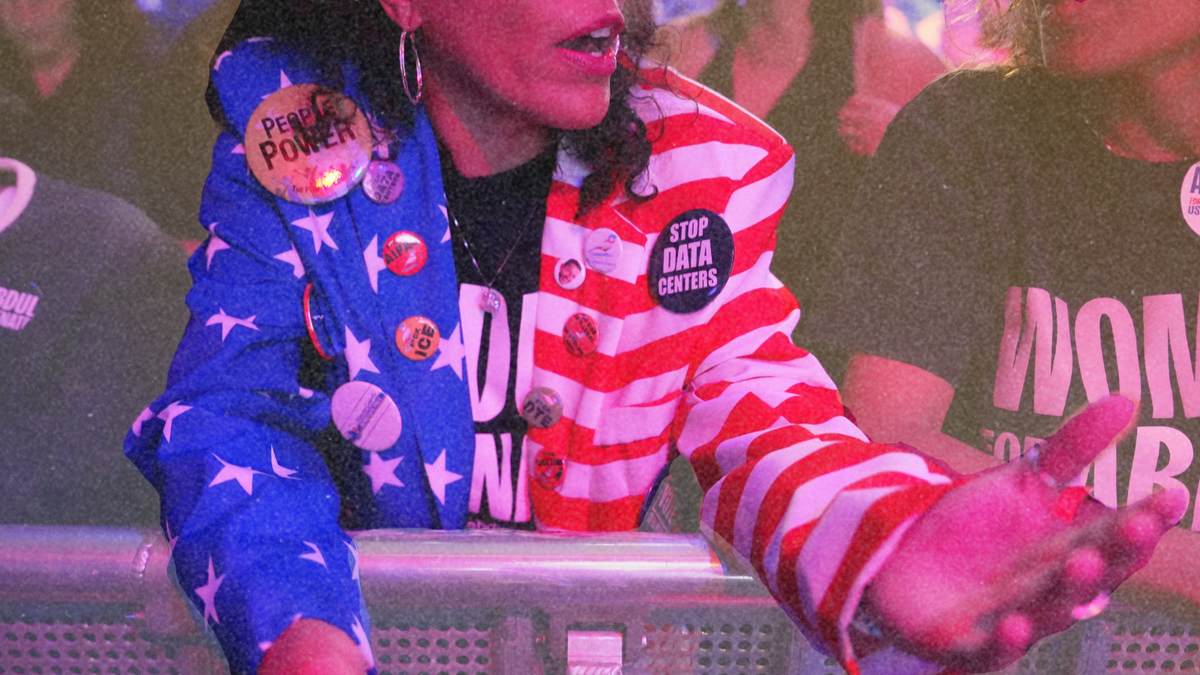
As Jenna Ruddock reported here last week: “In 13 states, from Florida to Maine, data centers were put to a direct vote. And in almost every place that they were on the ballot, data centers lost.”
 Jenna Ruddock

The new Congress should ensure that states and municipalities can decide for themselves what kinds of projects can happen in their backyards. But Congress should also look at the secrecy surrounding data-center deals.
In too many cases, nondisclosure agreements signed with local officials conceal the details of these massive construction projects. Raskin is already investigating these shady arrangements, and that pressure pushed Amazon to announce it was abandoning NDAs. The next Congress should make such secretive arrangements illegal.
 Molly Taft
Rein in government and corporate surveillance
Few issues — besides maybe building an ejector seat for Pete Hegseth — can unite left and right like unlawful government surveillance. This is another area where the people are way ahead of the politicians.
The new Congress should prioritize the Fourth Amendment Is Not for Sale Act, which already has bipartisan support and would close a loophole that allows the government to purchase private information from data brokers that otherwise would require a warrant.
On the corporate side, legislators looking to seize on popular outrage should go after surveillance pricing — the practice of exploiting personal data to charge different consumers more for the same product.
This is another winning bipartisan issue that connects affordability to anger about algorithmic discrimination and intrusions on our privacy.
Emergency funds for civic media
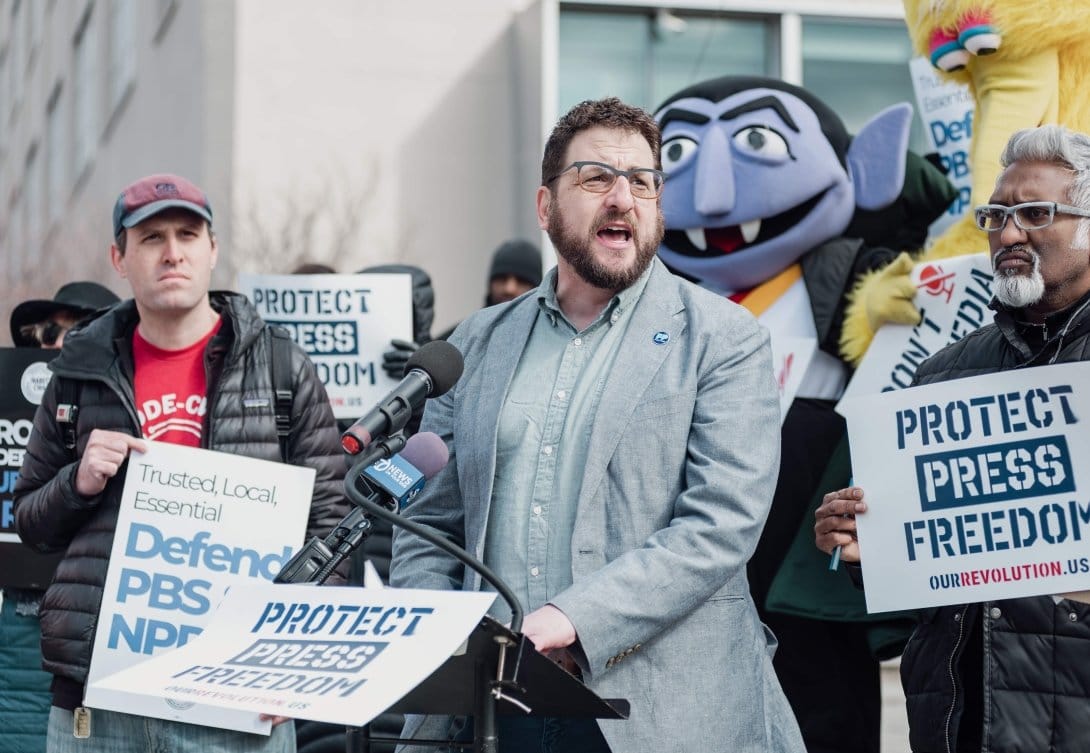
Trump ended federal support for public media in 2025, leading to the closure of the Corporation for Public Broadcasting. Don’t believe anyone who tells you we can’t afford to fund public media: We could double what we used to spend for less than the cost of bombing Iran for one day.
Fully rebuilding the system won’t happen while Trump still has a veto. But through the budget process, Congress could restore some funds where they’re needed most — such as emergency alerts or support for the small rural and tribal stations that are often the only local source for lifesaving information. Same with widely popular early childhood-education programming.
But I wouldn’t stop there. The rescission cuts also devastated ITVS — the institution Congress created to support documentary filmmakers. Funds also disappeared for the National Multicultural Alliance — a group of five already underfunded organizations, including Black Public Media and the Center for Asian American Media, working to diversify public-media programming.
Congress should include these programs in a short-term emergency-funding package — big enough to keep them going, small enough to avoid a veto — even as we lay the groundwork for a wholesale reinvention of public media in a future administration.
 Craig Aaron
Walking and chewing gum
We’ll write more in the weeks ahead about concurrent opportunities in the states, where bills supporting civic media and local news are moving alongside data-center and anti-surveillance measures. With new leadership and new governing “trifectas” in key states, we’ll have many opportunities to experiment, demonstrate approaches that work and build political champions at every level.
It’s going to take an all-of-the-above strategy — state and federal, outside and inside, policy and popular education — if these midterm elections are going to represent a defeat of Trumpism, not just a temporary setback for the authoritarians.
We can walk and chew gum at the same time: demonstrating accountability, making policies that help people now and planting the seeds for what comes next. Start doing that, and so much more becomes possible.
Teamwork
This is how we do it. Speaking of the states, Free Press organizer Eric Thurm wrote a new blog post on how two local news bills advanced so quickly in Pennsylvania — and the encouraging prospects for new public investments in local news to become law next year.
 Eric Thurm
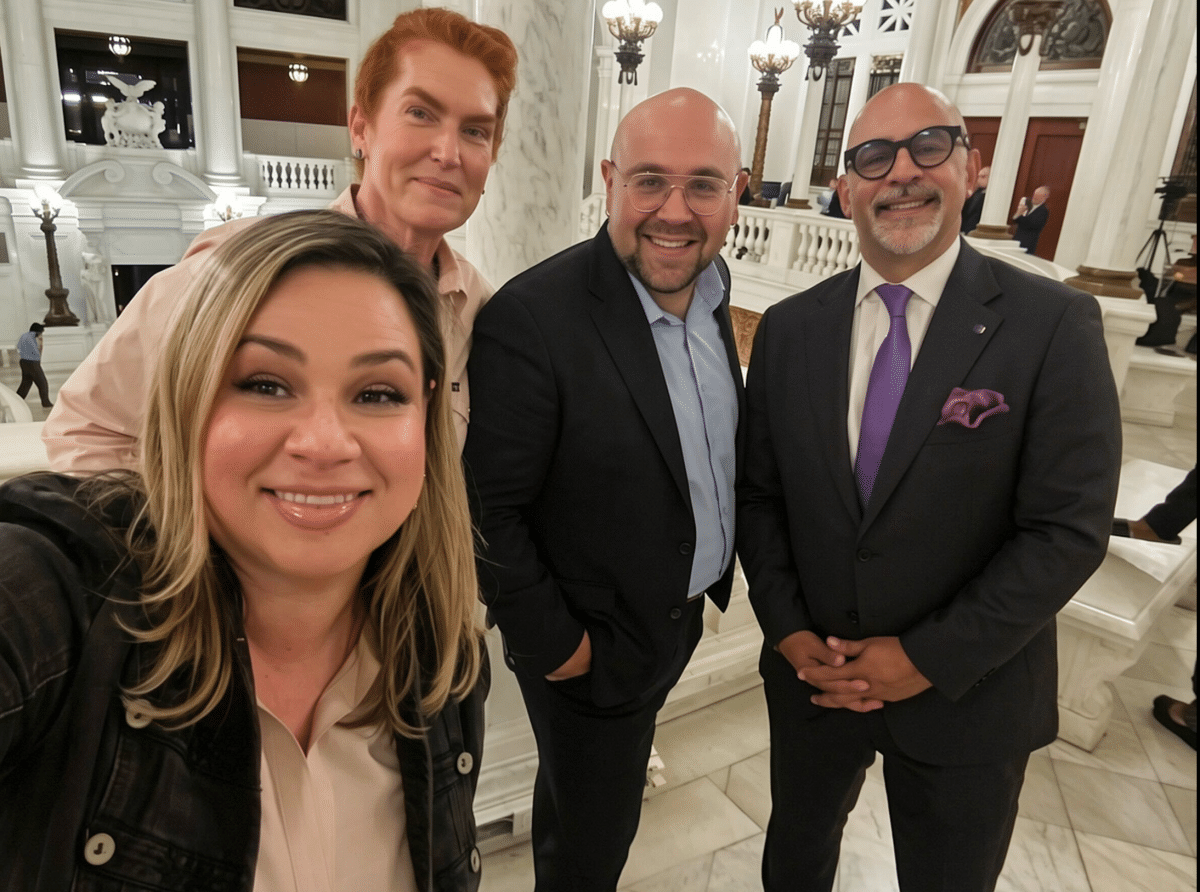
“No one, no matter their political persuasion, wants to live in a world where their only news options are outlets run by massive out-of-state conglomerates,” he says. “These bills build on successful policies in other states to support working journalists, strengthen community cohesion and lay the foundation for a more informed and engaged Commonwealth.”
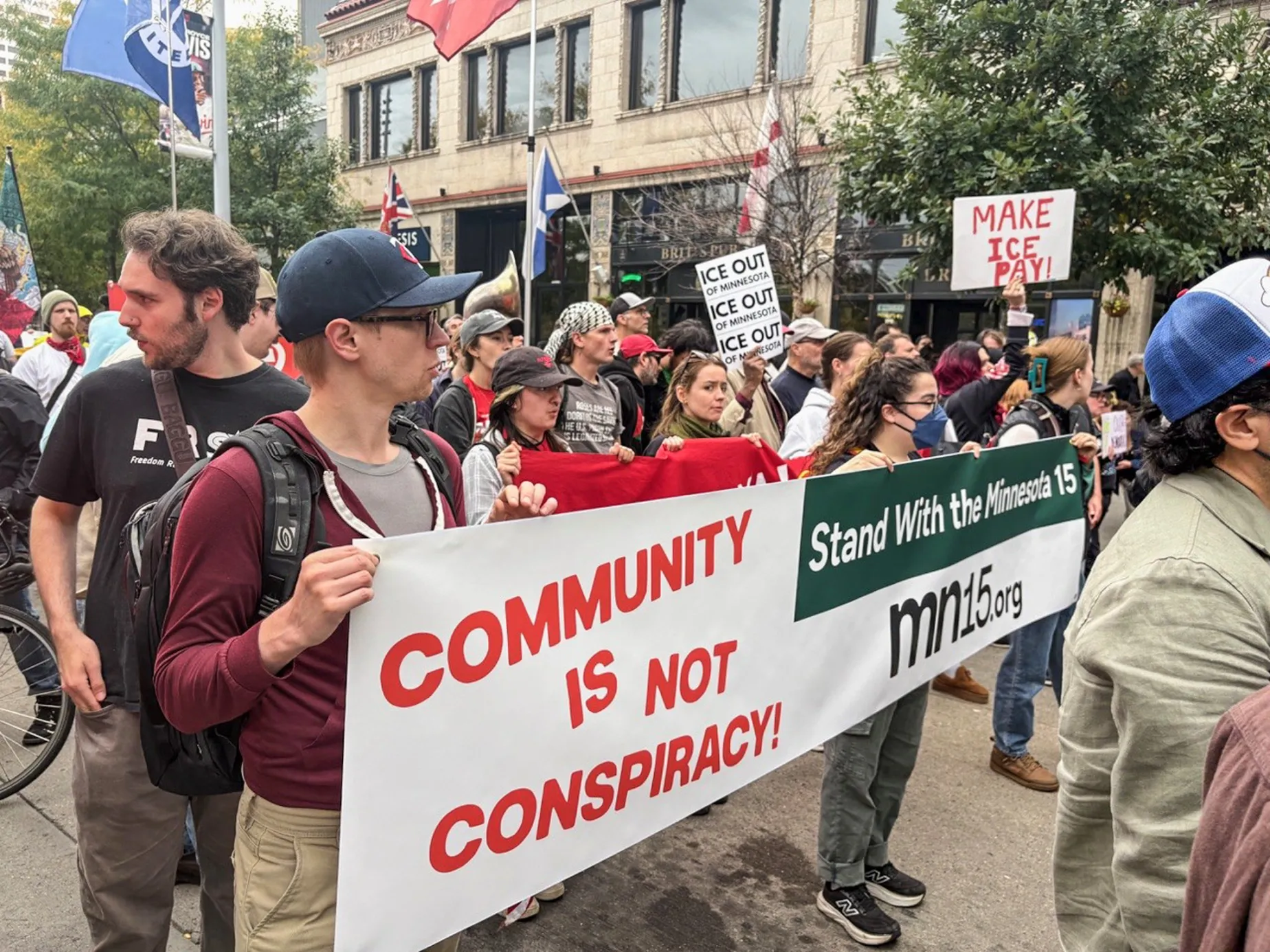
Listen up. In the wake of the election, it’s even more important to put a spotlight on the Trump regime’s efforts to crush and criminalize dissent. Nora Benavidez and Shilpa Jindia, who wrote the essential report Enemies of the State this fall, discussed their findings recently on Connecticut’s WKPN-FM and Pacifica Radio’s flagship, KPFA-FM.
 siteadmin
The kicker
“P.S. If anyone tells you ‘No, you can’t do that’ or ‘No, there’s a process for that,’ ignore them. You know what time it is.” — Alvaro Bedoya
About the author
Craig Aaron is the co-CEO of Free Press and Free Press Action and a guy with two first names. Follow him on Bluesky.