‘They Didn’t Care Who I Was. I Was Just Another Immigrant’
Journalists Mario Guevara and Estefany Rodríguez talk about the devastating impacts of their time in ICE detention and the current threats to press freedom
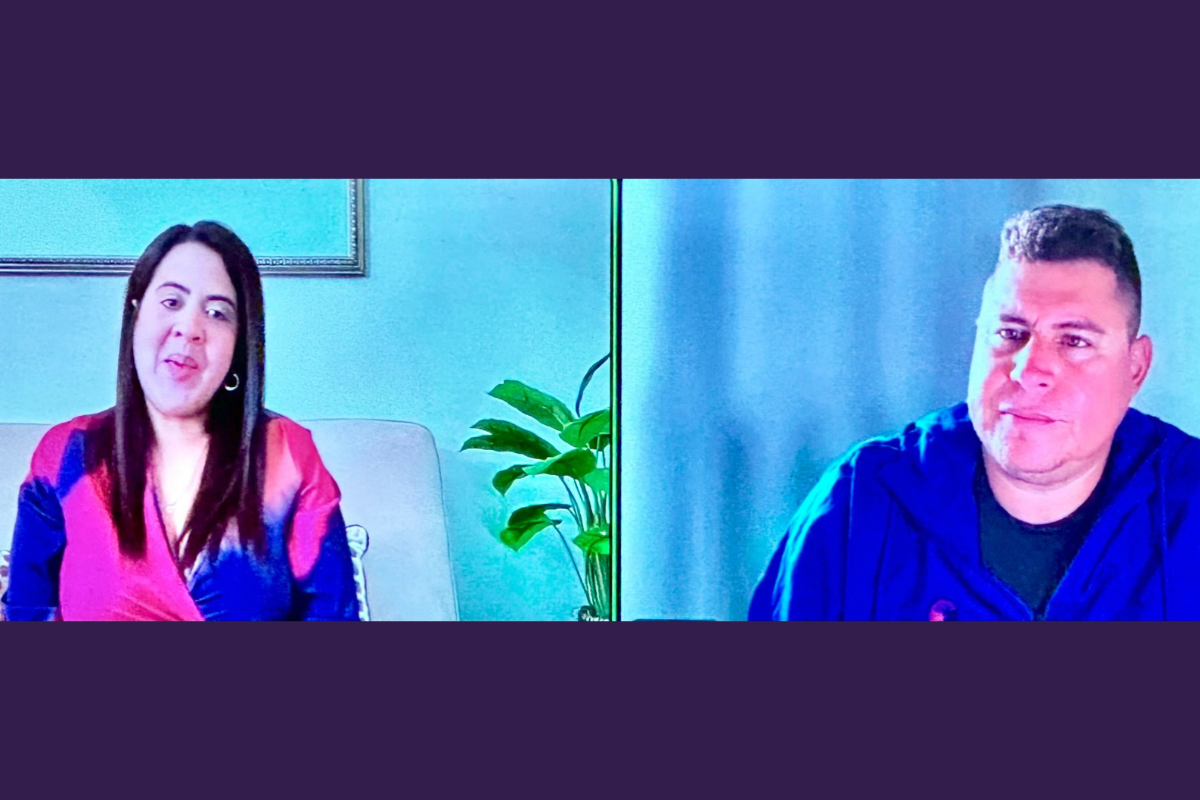
With a surge in President Trump’s mass deportation campaign and increased attacks on the freedom of the press, immigrant and Latino journalists are experiencing exhaustion and fear about ICE raids and detentions in their communities.
It’s harder to do their jobs, and they recognize the administration’s efforts to suppress speech and attack the media as part of a larger march toward authoritarianism.
Throughout my travels as Free Press’ senior director of journalism and media education, I find that people who are largely unaffected by these policies invisibilize or minimize these issues in public discussions about journalism.
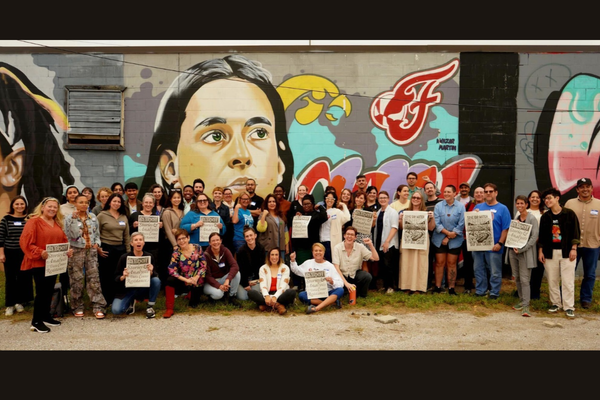
That feeling of invisibility, however, was not the case earlier this month at the Latino Media Summit, hosted by the Craig Newmark Graduate School of Journalism at the City University of New York. I attended the summit, which convened journalists, entrepreneurs, innovators and leaders shaping the future of Latino media in the United States.
At this public forum, facilitators did not shy away from the clear reality: Some of us are not safe as journalists in the United States.
“We cannot underestimate the current attacks on the press or the hate speech we are seeing. We have to identify it and act on it,” said Luz Mely Reyes, an investigative reporter with Efecto Cocuyo.
The power of immigrant journalists
Of all the panels and talks, the one on immigration reporting resonated with me the most. It featured immigrant journalists Mario Guevara and Estefany Rodríguez.
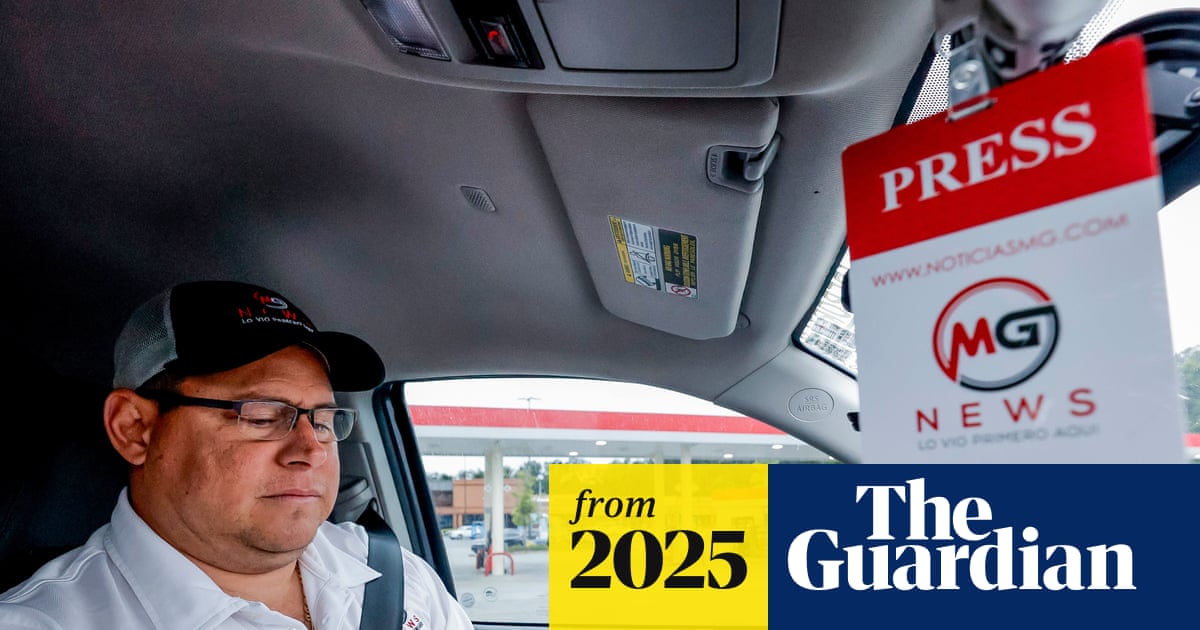
Both of their high-profile cases made national news when ICE detained each of them while they were on the job. Guevara was arrested while livestreaming from a No Kings protest in the Atlanta area. He was detained for more than 100 days and deported to El Salvador.
 George Chidi
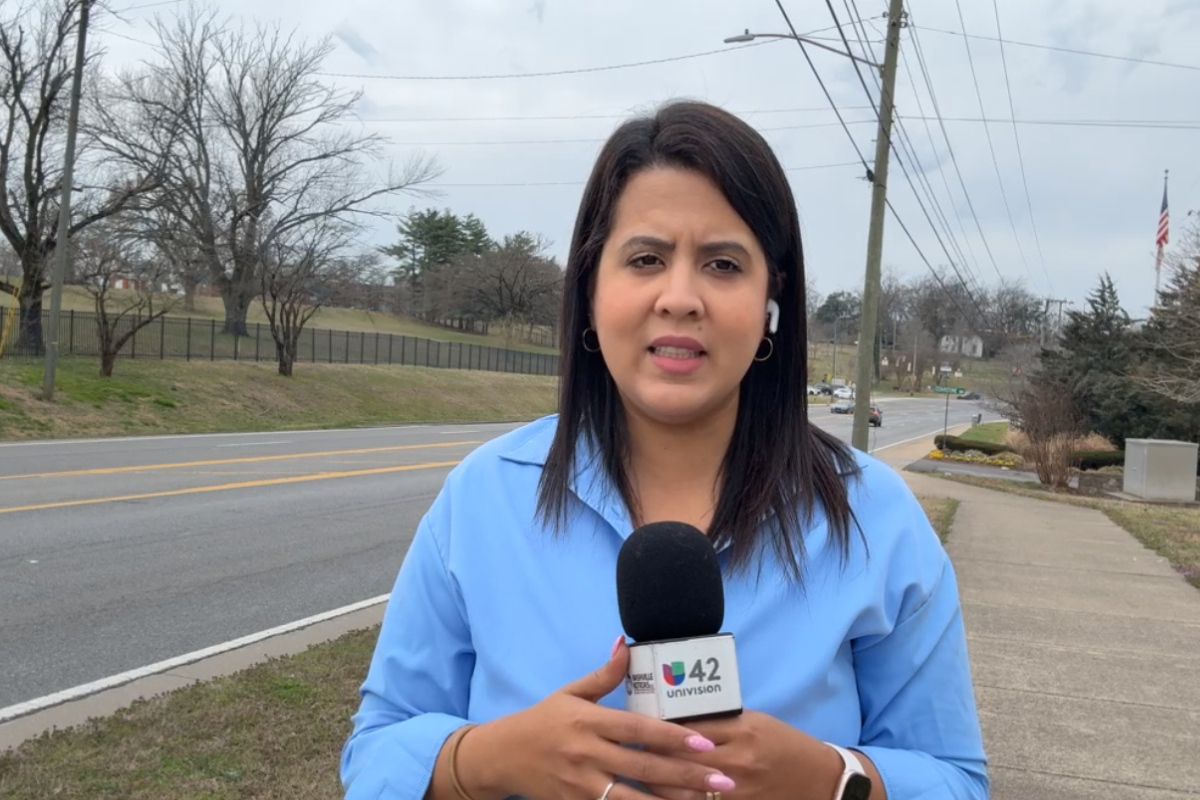
While she’s in the United States legally, Rodríguez was arrested while on assignment for Nashville Noticias. Both told harrowing stories of their experiences and the impact on their mental health and their work as journalists.
 Julio Ricardo Varela
Speaking remotely from El Salvador, Guevara said he had once felt safe and secure in the United States as a journalist. But he said ICE had “made it personal” and lied to the media repeatedly about his case. Guevara said the lies hurt his credibility as a journalist and community member, and he cautioned attendees to verify all ICE accusations before publishing them as fact — noting that failing to do so “can ruin someone’s life.” He also described the mental torture of being separated from his wife and children after being deported and the horrific experience of being in solitary confinement for 70 days.
Rodríguez, who also appeared remotely at the summit, described the feeling of being just “another number” in the immigration system while she was in ICE detention. She was released after two weeks, but the impact of that experience remains with her today. Even though the detention was traumatizing, Rodríguez expressed hope for the future. She announced her pregnancy at the summit and showed off her full belly. “The community must continue to resist,” she said. “Things can change.”
Guevara also expressed optimism for the future of journalism: “We are reporting immigration in a way that is more humane and dignified.” He said there’s a lot to learn from immigrant journalists, whom he described as more connected to their communities. “We don’t do it for the money or clicks. We do it for passion, for love.”
Guevara continues to report from El Salvador, and though he initially feared government repression upon returning to his home country, he said local officials surprised him with their welcome and helpfulness.
I asked the panel what information would have better prepared them for ICE detention, or what they wish they had known more about before this happened. Guevara said that he thought he had more protection as a journalist with a press ID, and had he known the risk was much higher, he might have done things differently.
Rodríguez said that she thought ICE officials would consider her role as a journalist as she navigated her time inside a detention center. “But they didn’t care who I was. I was just another immigrant.”
Speaking truth to power in real time
In many ways, Guevara’s and Rodríguez’s stories at the Latino Media Summit were validating. It proves that when given the opportunity to speak in our native language and convene in safe spaces, people feel more comfortable sharing their concerns and experiences.
Outside the media conferences, we rarely hear directly from journalists who have experienced government repression. But the reality is that since Trump took office, ICE has targeted dozens, if not hundreds, of journalists and media workers — including U.S. citizens — in places like Minneapolis, Chicago, Los Angeles, Newark, New York and borderland communities. Every time they report on ICE or cover mass mobilizations, journalists take the risk of being arrested and detained. This is why when we gather together at places like a summit or conference, it’s imperative that we talk about the existential threats to our safety.
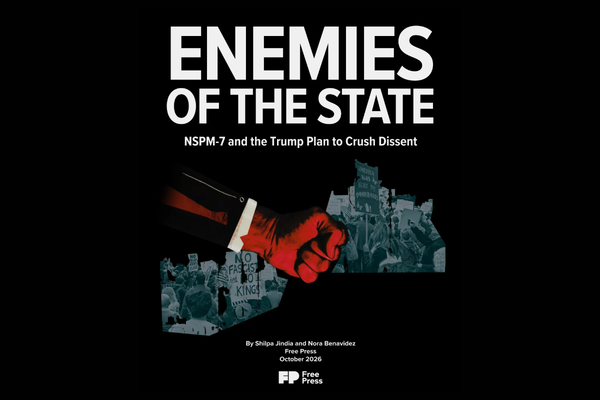
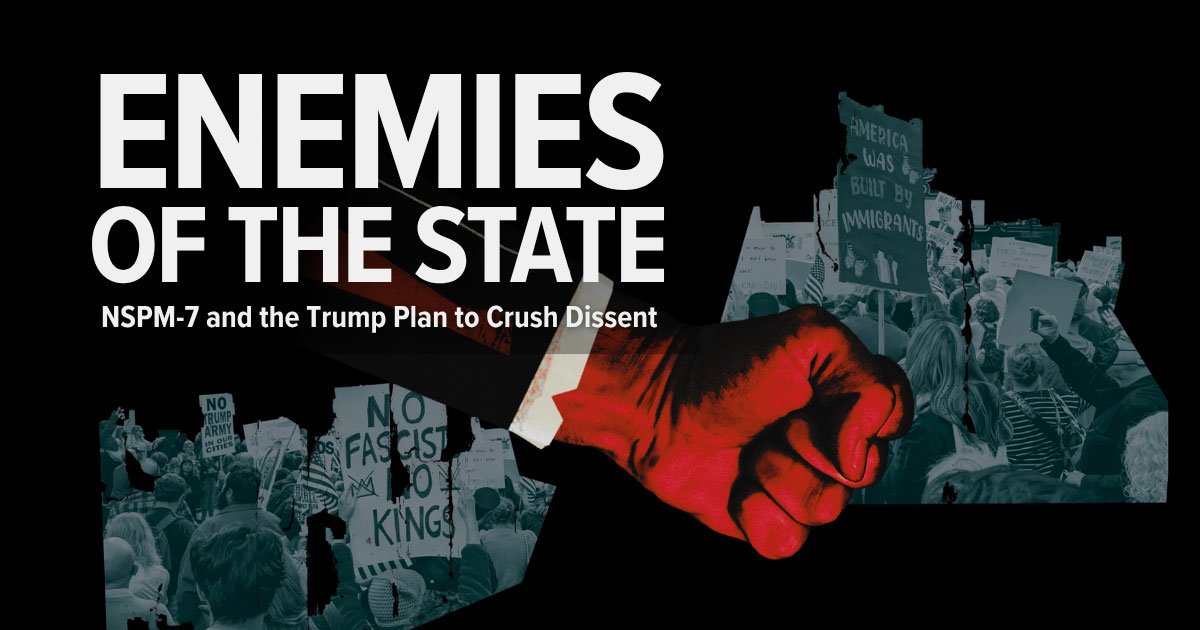
In Free Press’ latest report, Enemies of the State, we’ve seen how Trump’s NSPM-7 program has created an apparatus of mass surveillance and repression against anyone who is dissenting or reporting on dissent against the administration’s policies. And with the threat of election interference and the potential for political violence during the upcoming midterms, it’s important that we prepare ourselves for a state of chaos many have experienced in authoritarian regimes.

How will we know what to do if we don’t talk about it and hear from people who have experienced these traumas and survived to tell the story? We need to ask ourselves: What can we do to prepare if something like this happens to one of our friends or colleagues?
El pueblo salva el pueblo, or community saves the community.
Only we can save ourselves.
About the author
Vanessa Maria Graber is the senior director of journalism and media education at Free Press. She creates resources for newsrooms and trains journalists about civic-journalism best practices, community engagement and meeting community-information needs. Follow Vanessa Maria on Instagram @newsjawn.
Teamwork
Compiled by Pressing Issues editors
It was an active week over at the Free Press blog. Here are three pieces worth checking out.
Pause before you post. Misinformation spikes in the final days before an election. Nora Benavidez lays out recommendations to stop it from spreading.
 Nora Benavidez

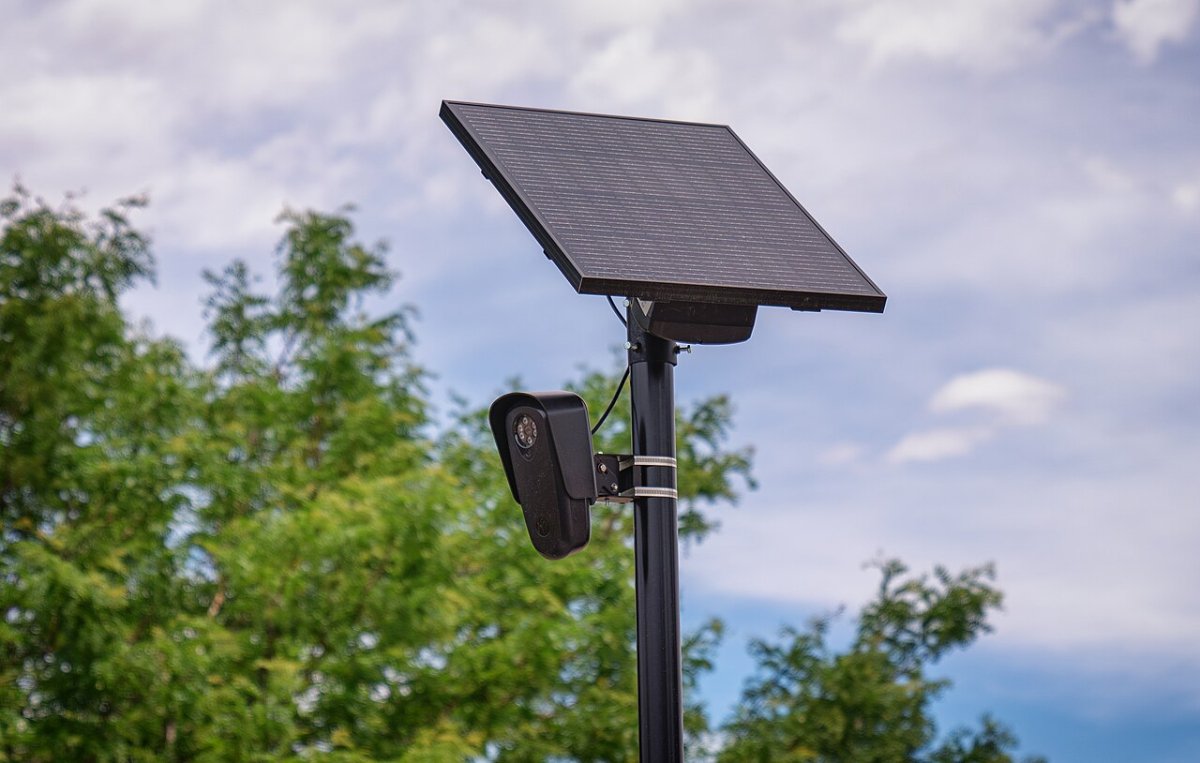
Flock and Congress. Flock cameras scan more than 20 billion vehicles a month, and police can reconstruct the movement of millions of people without a warrant. Amanda Beckham breaks down the bills in Congress that would put guardrails on mass warrantless surveillance.
 Amanda Beckham
Billionaires and the midterms. More than $16 billion has been spent on the 2026 midterms, with about $11.6 billion expected to go to political ads. Timothy Karr shows how billionaire donors and media conglomerates benefit from each other, and what it would take to break that cycle.
 Timothy Karr
The kicker
“The only way to resist is through solidarity and unity. We have to make a united front as a line of defense.”—José Zamora of the Committee to Protect Journalists at the Latino Media Summit