New ‘Enemies of the State’ Report Exposes Trump Administration’s Efforts to Silence Dissent
How NSPM-7 is cracking down on all forms of political opposition during the midterms and beyond


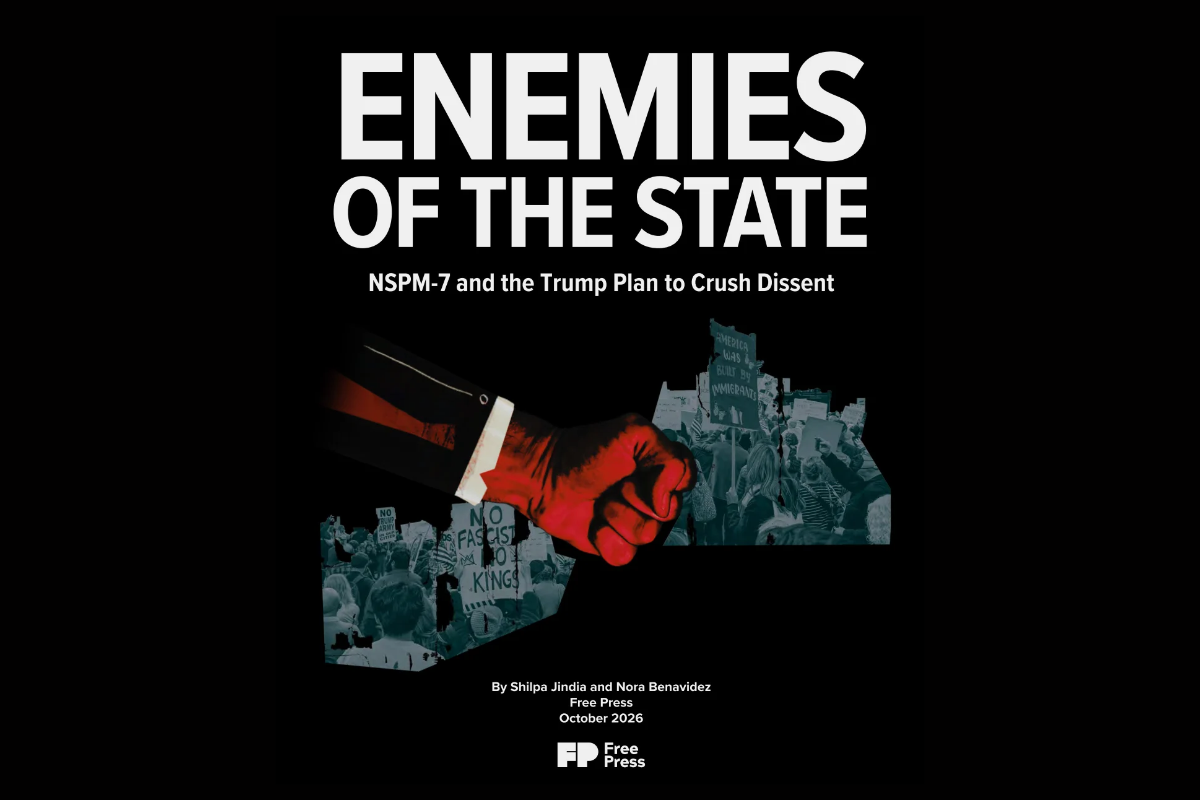
In September 2025, the Trump White House released the National Security Presidential Memorandum “Countering Domestic Terrorism and Organized Political Violence,” most commonly known by the acronym NSPM-7.
Its stated objective is to “disband and uproot networks, entities, and organizations that promote organized violence, violent intimidation, conspiracies against rights, and other efforts to disrupt the functioning of a democratic society.” In reality, it is a blueprint to neutralize the administration’s opponents and suppress dissent.
NSPM-7 seeks to empower various tentacles of the federal government to coordinate and expand surveillance, investigations and prosecutions, all in the name of stamping out “domestic terrorism” and crushing “antifa” — the administration’s catch-all label for groups organizing against ICE, white nationalists and more.
While this presidential action gives the government no new powers or authorities, its goal is to enhance collaboration among agencies to maximize their prosecutorial powers — creating an unprecedented impact on would-be defendants engaged in conduct the administration deems anti-American.
NSPM-7 couples this counterterrorism framework with sophisticated conspiracy charges the Justice Department prosecutes. In so doing, it enables the federal government to wield its strongest weapons against anyone it considers a threat. The Trump administration is using these powerful tools to target dissidents, protesters and civil society.
Today, we released Enemies of the State: NSPM-7 and the Trump Plan to Crush Dissent, a comprehensive analysis of how the Trump administration is weaponizing law enforcement against individuals and organizations that speak out against the president through constitutionally protected activities.
This Free Press report identifies three troubling hallmarks of the NSPM-7 framework:
- Broad Application Targeting Commonplace Activities: The NSPM-7 blueprint sets a goal of making commonplace and constitutionally protected activities — like texting among friends or sharing reading materials about constitutional rights — evidence of major terroristic crimes. This exposes untold numbers of innocent people to criminal sanctions for their beliefs and basic expressive exchanges.
- Infliction of the Most Severe Penalties: The NSPM-7 blueprint enables efficient coordination across federal agencies to go after the greatest number of people through surveillance, investigation and prosecution. The aim is to levy the heaviest penalties across agencies to achieve the harshest sentences.
- A Limitless Mandate With No Guidelines or Guardrails: While the methods, severity and application of the blueprint are explicit, the framework sets no standards for application — whether physical, geographic, thematic or constitutional. As a result, nothing is off the table for NSPM-7 to sweep up and target.
In the year since Trump issued NSPM-7, the Justice Department and the White House have released additional official frameworks that expand on the original directive’s mandate. The Justice Department has initiated prosecutions, and the Department of Homeland Security has surveilled and investigated people engaged in constitutionally protected activities like protesting outside, leafleting about basic rights and texting about where immigration officials are. Congressional allies of Trump are pursuing similar investigations of left-leaning and center-moderate organizations, foundations and individuals. And other agencies such as the Internal Revenue Service have launched financial investigations to chill civic engagement.
NSPM-7 has historical counterparts, like COINTELPRO and the Patriot Act, which have used similarly expansive national-security mandates to justify the pursuit, investigation and prosecution of a wide swath of people, beliefs and activities. The government deployed these programs to criminalize dissent and attack marginalized voices, amassing criticism and legal scrutiny from First Amendment litigators, constitutional-law scholars and intelligence experts.
The NSPM-7 framework is the latest escalation of this administration’s censorial campaign to stamp out opposition. But this blueprint isn’t merely a set of disparate threats or one-off attacks like some of the administration’s often unconstitutional attempts to whittle away at free speech and dissent.

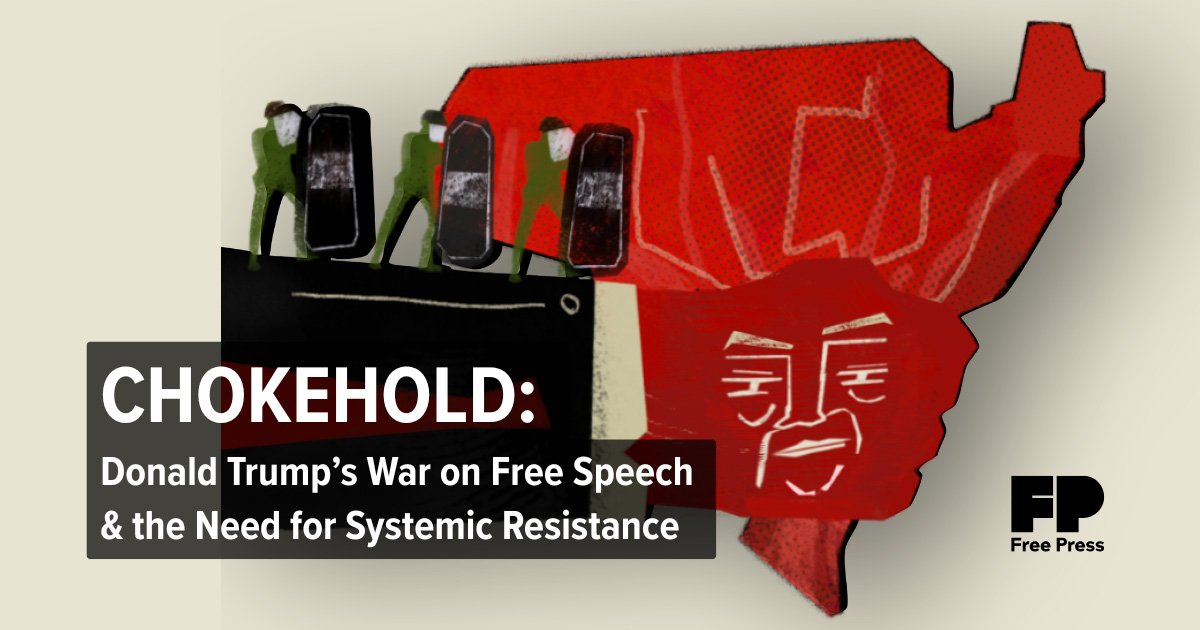
NSPM-7 is uniquely chilling and efficient: It treats speaking out, protesting and civic-engagement activities as evidence of terrorism. NSPM-7 is a new kind of escalation, strengthening the government’s hand to suppress whatever it considers politically or socially oppositional — and then inflicting maximum damage on that opposition.
NSPM-7 sets the stage for the administration to deploy vastly outsized and unprecedented cross-agency authorities to criminalize whatever public-engagement activities it seeks to eliminate. The midterm elections are at our doorstep; the president is eagerly pursuing election-fraud narratives, telling voters he will pay them off if they vote for Republicans — and leveraging his executive power to sway election results if he can. Already Homeland Security officials have investigated more than 150 nonprofit organizations under the guise of “election integrity.” It’s by no means outside the realm of possibility that NSPM-7 becomes the vehicle to shut down civic engagement and political expression in the months to follow.
Criticizing U.S. authority and power has always provoked accusations of treachery. Under the First Amendment, dissent should be both protected and celebrated as core to the ways that a society — especially a multiracial republic like the United States — grapples with difference and grows to meet political moments of tension. Instead, those in power often cast dissent as inherently dangerous or criminal.
Labeling this opposition as terrorism is a well-worn government tactic to not only shut down dissent but also preclude objections to these security frameworks. The chilling effect of NSPM-7 extends far beyond dissent, however, to the ability — and basic right — to educate and organize ourselves politically. As NSPM-7 implicates a wider swath of society, there are opportunities to not only prevent its normalization but to also roll back the features of the national-security state that got us here in the first place.
There are real windows for various sectors to counteract the federal government’s plot to criminalize civic engagement. Lawmakers, civil society and philanthropy have the opportunity to take action now.
About the authors
Shilpa Jindia supports Free Press’ legal and policy work across issue areas, with a focus on free speech, media consolidation and journalism policy. She is a journalist-turned-lawyer who has worked with a range of outlets and civil-society actors in the United States and abroad.
Nora Benavidez leads Free Press’ democracy, free speech and tech initiatives, including its policy, legal and campaign efforts to curb disinformation, hate and other manipulation online while protecting digital civil rights, privacy and free expression. Follow Nora on Bluesky.
Teamwork
Compiled by Pressing Issues editors
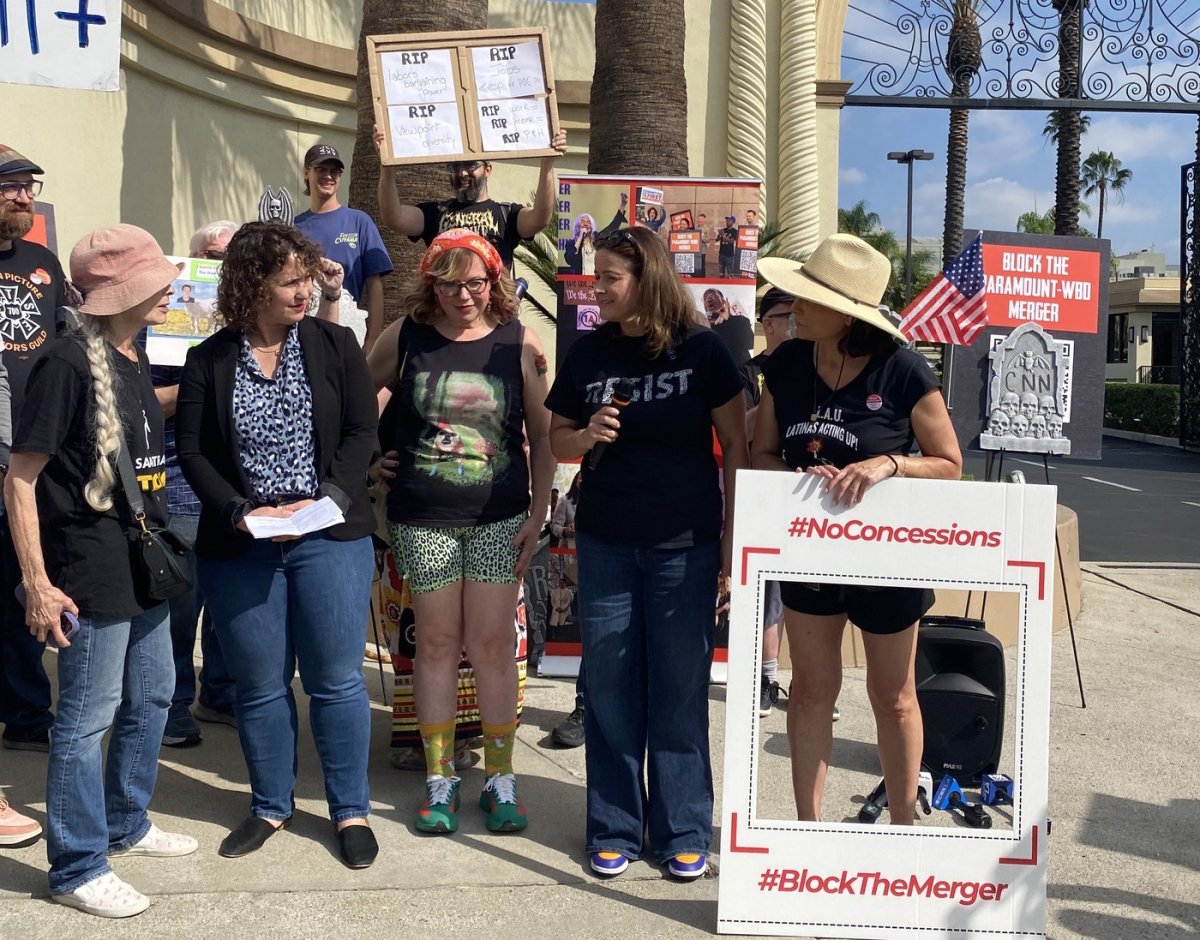
Skydance and Latinos. Over at the Free Press blog, Ruth Livier, Ph.D., analyzes what the Skydance merger means to the country’s Latino community.
“While Latino under- and misrepresentation in U.S. media is not new, this mega-merger will further exacerbate these inequities: It will impact labor opportunities for Latino creatives, harm our audiences and devastate our communities,” Livier writes. “This is not speculation; Skydance has been constructed on an anti-diversity, equity and inclusion framework.”
 Ruth Livier, Ph.D.
A Free Press fall update. It’s been an active year here at Free Press, where the team has done some of its most important work to date. Our latest update highlights this year’s efforts — including protecting free speech, opposing dangerous media mergers and fighting the growth of AI data centers and unlawful government surveillance.

The kicker
“The scale of the government’s assault on free expression has not been seen since the Second Red Scare.”—Protect Democracy amicus brief