Closing the Back Door on Government Spying
How we stopped Trump from sneaking through new surveillance powers, and what’s next


Unlike me, you probably weren’t glued to C-SPAN after 1 a.m. on Friday morning when the House rejected Speaker Mike Johnson’s attempts to extend the government’s spying powers without any critical reforms to protect Americans’ privacy.
This legislative fight is about the extension of Section 702 of the Foreign Intelligence Surveillance Act (FISA), which is supposed to target communications of foreign adversaries but has long been abused to target U.S. activists, journalists and elected officials. These “backdoor” searches let the government spy on people without a warrant.
The Speaker attempted to use the cover of night to take away people’s constitutionally protected rights and let the president further weaponize the government against his perceived “enemies.” But despite intense pressure from Republican leadership and the White House — led by Trump henchman Stephen Miller — it didn’t work.
For now …

.jpg?itok=qCWYKPMM)
We’re not done yet
After Johnson failed to secure a vote on an 18-month “clean” FISA extension (meaning no reforms or fixes), the House voted down a smokescreen compromise of fake reforms. After a marathon session, the House instead passed a two-week extension of the current law.
So there is still crucial work to do in the coming weeks to ensure that critical reforms are included in any Section 702 reauthorization.
With just over a week until a new voting deadline of April 30, House Republicans are working on a compromise that will likely include a multiyear extension with minor changes to appease members who are demanding privacy protections.
It won’t be an easy task, though. The April 17 failure came after days of unsuccessful negotiations. Senate Majority Leader John Thune has indicated that his chamber may take the lead and move first on Section 702 reauthorization, given the House majority’s inability to reach a compromise so far.
And it’s not just Republicans to worry about — there were several Democrats who voted to extend Section 702 without crucial fixes. This means we have more work to do educating members not only about the abuses of Section 702, but also about how these reforms are tailored to protect our privacy without endangering national security.
Polls conducted by Free Press in 2024 and more recently by Data for Progress show that a majority of Americans are concerned about government surveillance and do not support renewing this authority as is.
The reforms we need
Section 702 of FISA has been repeatedly abused to improperly search the communications of hundreds of peaceful protesters, campaign donors, congressional staff, journalists, federal and state lawmakers and even a sitting judge. The reforms we need are:
Closing the “backdoor search” loophole: Warrants, subpoenas and other judicial orders are an important check against government weaponization. Requiring law enforcement and intelligence agencies to justify their queries of the 702 database to a judge would protect against speculative investigations based on constitutionally protected categories or aimed at suppressing dissent and punishing political detractors.
In fact, FISA was enacted as a response to the FBI’s spying on antiwar and civil-rights activists in the 1960s and 1970s. A federal court ruled in 2025 that these backdoor searches of Americans’ communications are unconstitutional, and without reform, misuse is likely to continue. Without an independent judicial check, compliance violations have persisted for years, demonstrating that internal oversight alone is insufficient.
Matthew Tokson
Closing the data-broker loophole: In 2015, Congress passed the USA FREEDOM Act to ban domestic bulk data collections by the government; however, this protection is nullified when agencies can buy data in bulk from commercial brokers. As the use of artificial intelligence expands, the risks grow even more significant. AI systems amplify the risks of the data-broker loophole by enabling large-scale analysis of sensitive personal data, making it easier to track individuals, build detailed profiles and make decisions based on opaque algorithms. We already know that agencies like the FBI, DHS (which includes ICE) and the NSA purchase commercially available data on people in the United States, and contracts between AI companies and the Defense Department reveal that these tools may be used for Section 702 collections.
Repealing the expanded definition of Electronic Communications Service Providers: The Reforming Intelligence And Securing America Act (RISAA), the law that last reauthorized Section 702 in 2024, dramatically expanded the number of American businesses that can be secretly and warrantlessly compelled to assist the government in tapping into most communications equipment across the United States. In an attempt to fix this dangerous expansion, the Intelligence Authorization Act of 2024 – an appropriations bill – included a provision that narrows the definition of an “Electronic Communications Service Provider,” or ECSP, but it didn’t go far enough.
Keep up the resistance
Without the right to privacy and the space to express ourselves freely, the foundation of our democracy crumbles. While President Trump admits that Section 702 violates our rights, he says we should be glad to give them up. These are the words of an autocrat.
 Eric Boehm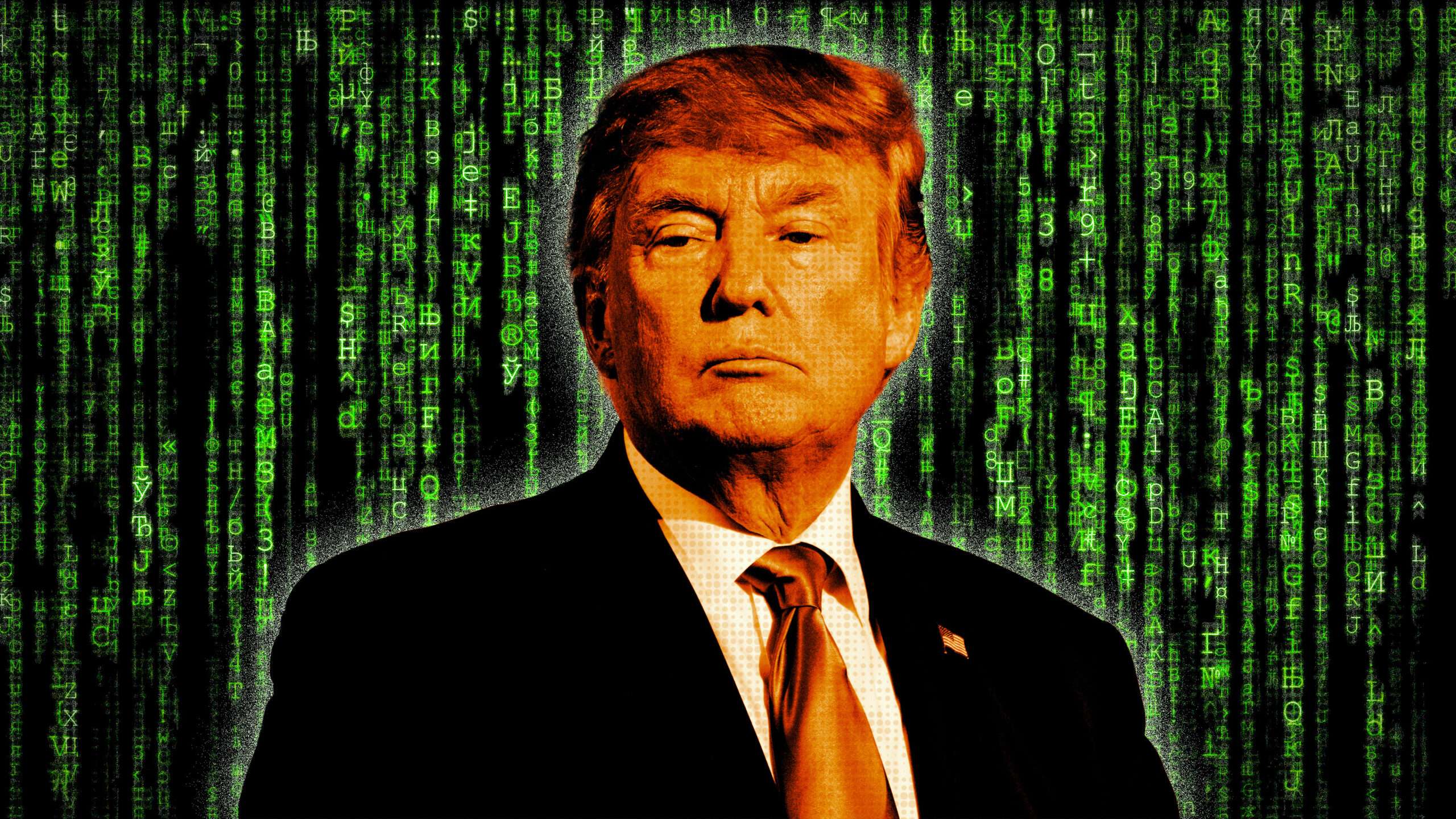
The idea that in order to be safe and secure, you must give up the right to have privacy from government intrusion into your thoughts and beliefs sounds like something that would be sold to you by Big Brother or Emperor Palpatine.
Free Press Action is encouraged by the growing resistance in Congress and the failure of attempts to scare and strong-arm House members into extending and expanding this spying power at the eleventh hour. Yet the fight for meaningful surveillance reform continues, and we will be using the rest of this month to shore up our allies in Washington and apply pressure to members who remain uncommitted.
You can help by telling Congress to reject Trump’s mass surveillance agenda.
About the author
Amanda Beckham is Free Press’ government relations director, where she executes the organization’s strategy for engaging lawmakers in D.C. to advance policy that achieves our core goals of promoting equitable access to technology, saving Net Neutrality, and ensuring that media and technology are tools of democracy and not oppression.
Progress report
Compiled by Pressing Issues editors
Pause that merger news, people. A federal judge blocked the $6.2 billion Nexstar-Tegna deal on Friday afternoon in response to lawsuits filed by DirecTV and eight attorneys general, who “contend that the merger will lead to higher prices for consumers, stifle local journalism and that the deal runs afoul of federal laws designed to protect against monopolies,” the Associated Press reported.
Rebecca BooneBall of shame. More than 250 journalists — including bold-name news veterans Dan Rather and Sam Donaldson — sent an open letter yesterday to the White House Correspondents Association, urging them to mount a more forceful and public defense of the First Amendment at their annual soirée and comedy show, which Donald Trump is expected to attend. “These are not normal times,” the letter reads, “and this cannot be business as usual with the press standing up to applaud the man who attacks them on a daily basis.”
 Farrah Tomazin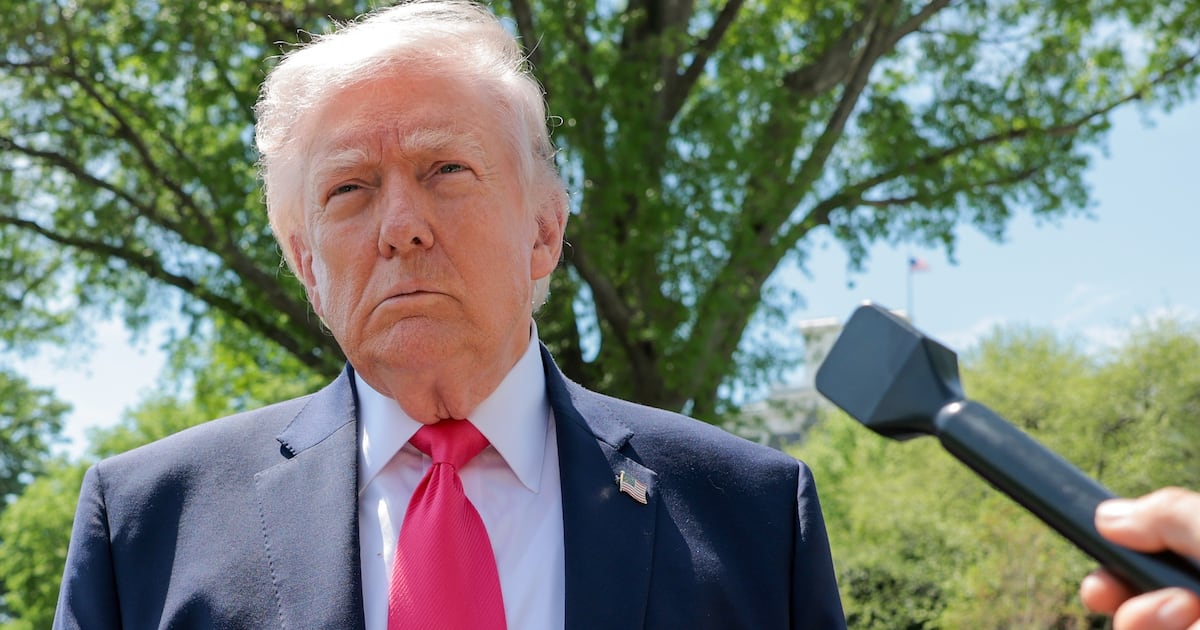
Over at Washington Monthly, Bill Scher argues that the dinner should just be canceled altogether rather than offering Trump a platform to further denigrate journalists or pretend he’s not trashing the First Amendment. He says journalists who see Trump’s attendance as a sign that the president recognizes the power of the press are “either deluding themselves or gaslighting the rest of us. Trump attending a dinner that used to roast the president but now features hacky magic tricks is not him bowing to the press corps, but literally the opposite.”
 Bill Scher
As if you needed any more reasons to despise and boycott this event, Status reports that FCC Chairman Brendan Carr, one of the administration's most enthusiastic censors, will attend as a guest of Paramount.
Oliver Darcy
The kicker
“The reality is that the country believes that security and liberty are not mutually exclusive. We can have both.” – Sen. Ron Wyden (D-Oregon)