Actress Constance Marie on Why the Paramount Skydance-Warner Bros. Discovery Merger Is ‘Not Good for Us as Humanity, as a Labor Force, as Latinos’
Part of an ongoing Pressing Issues series with Hollywood voices

Over the next couple of months here at Pressing Issues, I plan to interview fellow SAG-AFTRA members from diverse communities to hear firsthand how the Paramount Skydance-Warner Bros. Discovery (PSKY-WBD) merger would impact labor and audiences — and why it’s critical to block it.
The merger is a corrupt takeover attempt that threatens labor and the viewpoint diversity audiences depend on for relatable, balanced and compelling storytelling. While Paramount Skydance CEO David Ellison may keep pushing his 30-films-per-year “promise,” this does not guarantee that he will hire humans to do the work, that working conditions will not deteriorate, that freedom of expression will be respected, or that the storytelling and storytellers will be diverse in ways that reflect our country’s demographic reality.
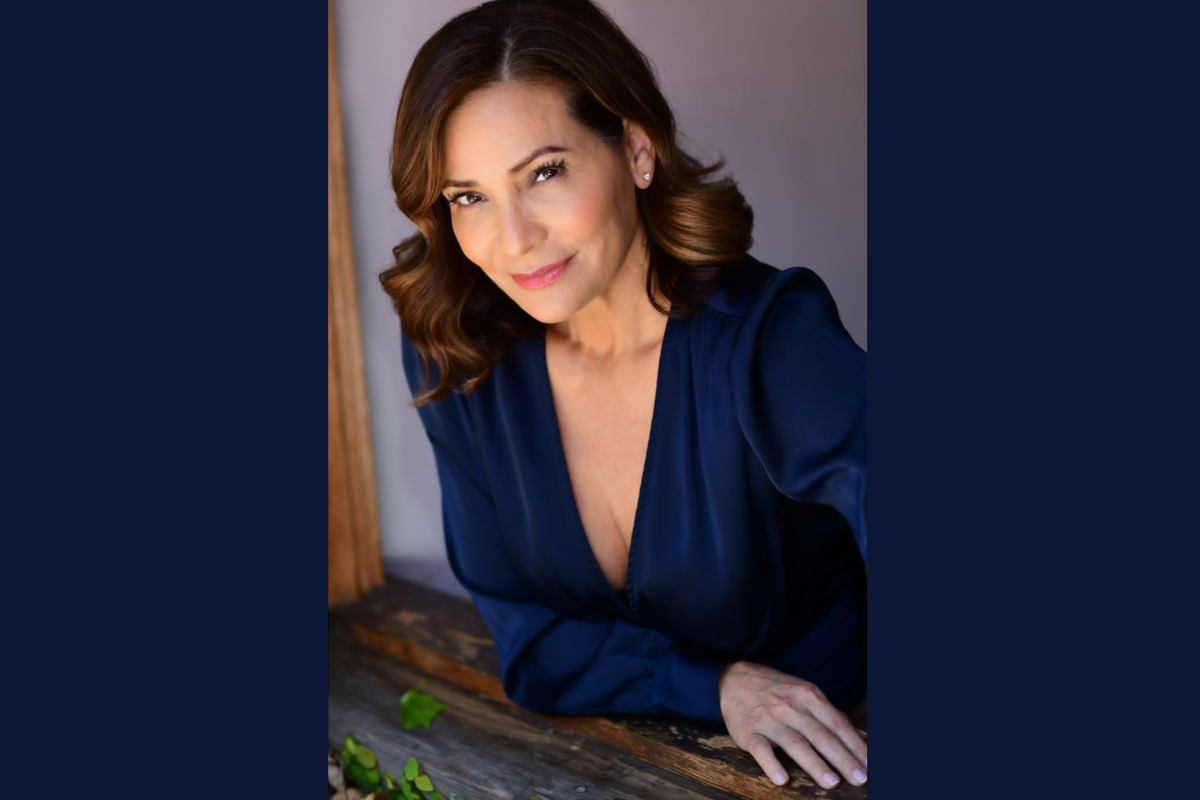
For my first interview, I sat down with my friend, actress Constance Marie, who is known for a series of barrier-breaking projects that have expanded the canon of Latino representation in U.S. media. Her work includes roles in American Family, George Lopez, Mi Familia, Selena and Switched at Birth, to name a few. She doesn’t take her celebrity lightly and instead uses her platform to speak up for justice.
We talked about the merger, which a judge has paused until 2027 — thanks to pushback from thousands of industry professionals, unions, guilds, advocacy organizations like Free Press, academics, shareholders, lawmakers and an antitrust suit from 12 state attorneys general. We also talked about the industry and why diverse stories and storytellers matter.
This conversation has been edited for length and clarity.
Ruth Livier: Why is pushing back against this merger so important to you? What is at stake?
Constance Marie: I think choice is at stake, and representation is at stake. Antitrust laws were created because when something is so big and holds a monopoly, there are no alternatives. And so this deal is such a monopoly, and then you add the politics of conservatism and limiting free speech and limiting diversity and limiting opportunities for women and people of color. It’s just too big and too controlling; I mean, the deal is so big that they don’t even have enough money to buy it without Middle Eastern money getting 49.5 percent.
What are we doing? At what point do you just sell out your country? What happens when the corporations control everything under one umbrella? This merger violates FCC laws. It violates antitrust laws and gives viewers — who pay for streaming and for the movies — hardly any choice.
RL: Even before this aggressive takeover attempt, it’s been historically difficult to get Latino projects greenlit.
CM: It took five-and-a-half years for Greg Nava to get Mi Familia off the ground and get funding to actually have Latinos play Latino roles. Now, I don’t even know that they’re going to even write the roles, especially with the administration’s removal of DEI. Women, people with disabilities, any person of color, anybody that’s not the cookie-cutter straight white man, straight white woman, there’s not going to be that representation, and we can't let that continue because life is not like that.
RL: What do you think made the difference for the projects that you’ve been part of to see the light of day?
CM: Well, Greg Nava had an allyship with Francis Ford Coppola. There have been factions that recognize diversity as a strength. So Francis Ford Coppola came on board, and he has a winery, and he showed part of the movie, Mi Familia, to the people who worked in his vineyards, that’s where he had his first screening. And he was so touched by how everybody else was responding that he was like, ‘I will jump in and help make sure you get funding for the rest of this movie.’ So that’s how you make a multigenerational Latino epic for $5 million.
With American Family, originally developed for CBS, the role I played was created for me, but the studios did not want to give me a holding deal. Greg Nava got so upset. He had some success at that time, so he talked to them and got me a holding deal. Sadly, they don’t give them to women as much. The sexism is real. So we shoot the pilot, and it does well, but it does not get picked up at CBS. So Greg fought and fought, and he got Johnson & Johnson and PBS together, and they struck a deal that had never been done before, and it aired on PBS for two years.
RL: But when you have fewer and fewer buyers — which is what would result from the Paramount Skydance-Warner Bros. Discovery takeover — then you don’t have that option.
CM: Yes, and what does that do to us as a society? I mean, it disempowers us greatly because we only know what we are allowed to know, right? And if you control most of the news, most of the entertainment, most of the drama, most of the reality shows, what are we allowed to appreciate? And we’re the ones paying for all of this, so we should have a bigger say. I mean, I don’t want to watch some of the shows my mom watches, but I want to fight for her right to watch them. I may not agree with someone's speech, but I will fight to protect their freedom of speech.
Also, I am not Jane Fonda’s age. I am not Lily Tomlin’s age, but I love the show Grace and Frankie and the topics they talk about, like being an older woman. That’s not everybody's demographic, but funny is funny, and it was a good show. And if somebody who controls everything decides that older women’s stories and older women are not funny, then we lose that precious facet of the diamond that is our humanity.
RL: Diverse media representation matters because it impacts our sense of belonging and how we are perceived and treated in the world. SAG-AFTRA takes their “ability” and “commitment” to ensure that our diverse demographic reality is represented in our media very seriously. After Trump issued his anti-diversity, equity and inclusion executive orders, union leaders issued a resolution reaffirming our union’s commitment to DEI.
When diversity is reflected in the media, it allows us to exercise our empathy muscle. But there’s a false framing that has been normalized in our industry where white narratives and stories are perceived as universally relatable while stories by and about people of color are only relatable to their communities. That’s not true. All well-told stories, rooted in any culture, are universal in their specificity. And having exposure to different cultures and people provides a way to understand our world from different perspectives.
So what does that say about the importance of diverse stories?
CM: Diverse stories are unifying. We all want love. We all care about our families. We all love our children. We all want a good job and peace. It doesn’t matter what ethnicity or race you are. We’re all the human race, and we all want the same things. Yes, some of the flavor on the outside may be different, but all of our stories can be universally touching. This connectivity, the connective strains of humanity that we all literally have, are the most important thing. If we lose that, we will lose much of our humanity. And monopolies are not pro-humanity — they’re just about control.
About the author
Ruth Livier, Ph.D., is a campaign manager at Free Press. Ruth has more than 20 years’ experience in the entertainment industry, which drives her commitment to fight for media equity. Follow Ruth on Bluesky.
Open tabs
Compiled by Pressing Issues editors
CNN for sale? Speaking of the merger, Paramount now says that selling CNN is “on the table” as it seeks a resolution to the 12-state lawsuit, according to reports. Those words came from Makan Delrahim, Paramount’s head of legal, during Politico’s California Agenda conference.
Becerra weighs in. Another person calling for a settlement to the merger lawsuit is Xavier Becerra, the Democratic nominee for California governor. At the same Politico conference, Becerra said the following: “I hope it settles before court. It is easier to stand in a conference room and settle than it is to stand in a courtroom. I say that having had to stand both in the conference room and in the courtroom. You get way more done in the conference room than you do in the courtroom.”
 Ted Johnson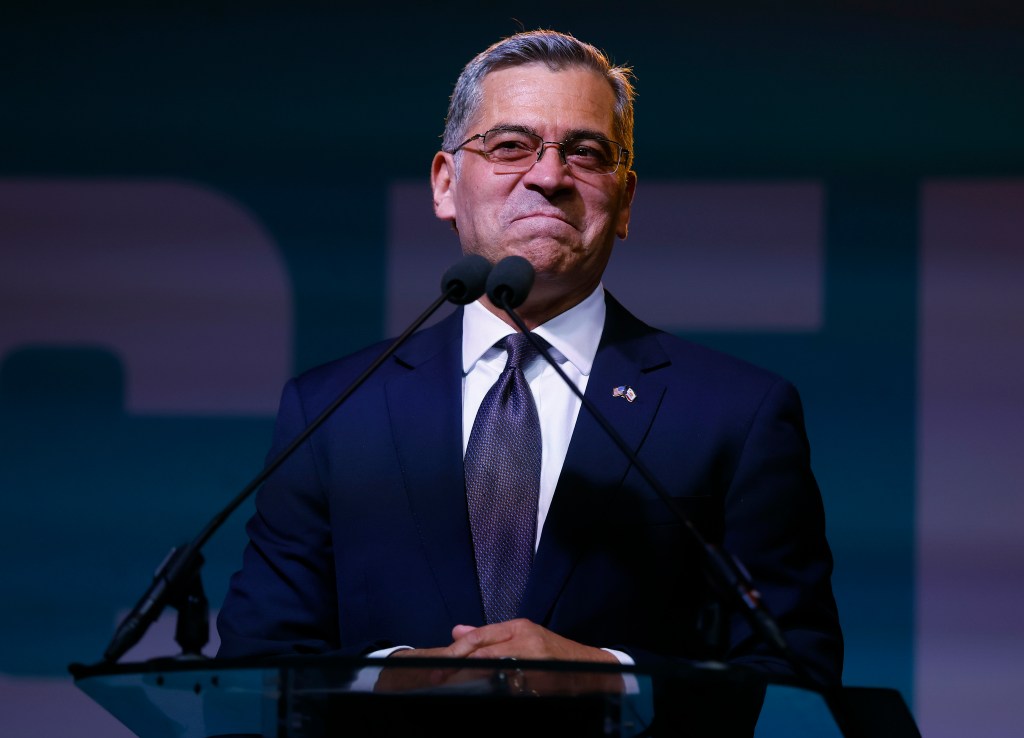
For the record, Free Press will continue to work with allies to block the merger without concessions. To stay in the loop, sign up for updates on the Free Press site.

The kicker
“The population of the United States is 20 percent Latino, but we’re only reflected at five percent of lead roles. We’ve got to at least be reflected as we are. This merger is not good for us as humanity, as a labor force, as Latinos.” —Constance Marie