‘Barrio Television’ Broke the Mold
Christina DiPasquale is making sure this important moment of media activism isn’t forgotten
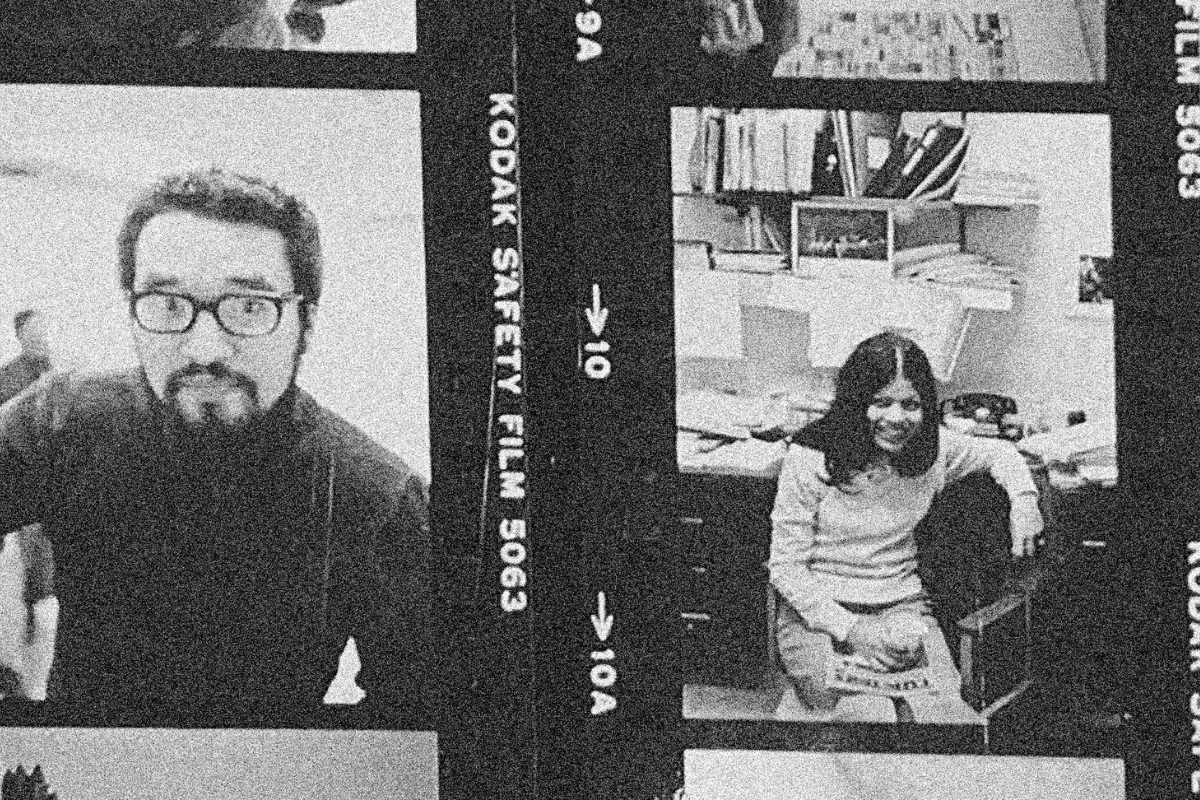
Media representation isn’t about trying to distill fairness into a math equation. It’s about power — specifically, the power of self-determination. The civil-rights generation understood this and argued that the lack of opportunities afforded people of color to write, produce and star in their own stories causes real harm. It isolates communities from their histories, cultures and each other.
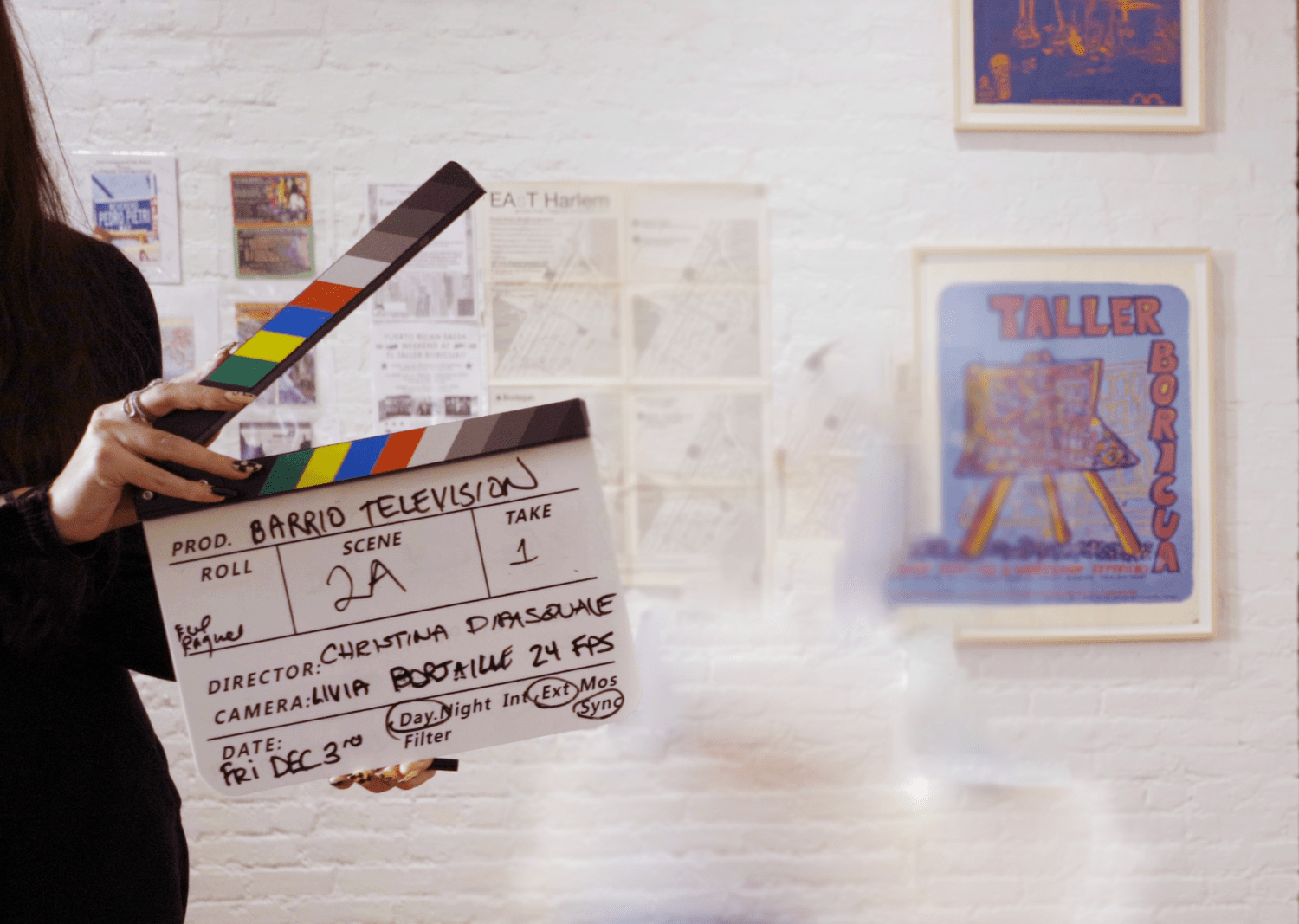
That’s the point Christina DiPasquale is making with her documentary Barrio Television. It debunks the idea that communities of color and Latinos in particular (Puerto Ricans to be most precise) are new to the TV game — and that DEI practices in Hollywood function as some sort of charity for come-latelys who want a piece of what the white establishment has built.
That’s simply not the case. The Puerto Rican activists DiPasquale showcases were pioneers in television production. They created the nation’s first bilingual public-affairs program in 1972 — Realidades, which aired on PBS and laid the foundation for innovations like closed captions. They made it happen through audacious organizing — getting their show after occupying a pledge drive at New York’s Channel 13 and holding protests outside the Ford Foundation. Barrio Television tells their story, highlighting how these Puerto Rican activists transformed media and how their work, in turn, fed the community.
With her producers, Kristofer Ríos and Free Press’ own Joseph Torres, DiPasquale is hosting a public screening of the work in progress at the New York Public Library on 125th Street on Sat., July 18, at 2 p.m. Ahead of that showing, I sat down with the writer/director to discuss her film, media justice and the fight to define our own identities.
This conversation has been edited for length and clarity.
Cristina Escobar: Why did you set out to make Barrio Television?
Christina DiPasquale: As a first-generation Colombian-American, I felt shaped as much by absence as presence. A lot of my family is still in Colombia, so I was always grappling, even as a teenager, with only having an incomplete history.
I started researching the film in the wake of George Floyd’s murder. It felt like all these media institutions wanted to change things, own up to their history, think about things differently, and I thought, what an amazing environment to create this film in. Five years later, it’s the polar opposite — all of those commitments are completely rolled back.
In this film, though, the story is about media power. And it tells us a lot about media consolidation and political attacks, diaspora and cultural inheritance. It shows that our media system can be reimagined, and it’s worth fighting for.
CE: What lessons do you think modern viewers should take from the activists that you feature in the film?
CDP: One of them is not waiting for someone else to tell us what’s important. So often, we thrive on external validation. We’re looking for a historian who said that it mattered, or an institution to promote it, or critics to validate it, before we’re willing to believe it mattered. The story of the Puerto Rican activists who made Realidades is really resisting that, which takes a lot of courage.
Another point that I hope audiences take away is that creativity survives even when institutions stop paying attention. Platforms disappear, but artists don’t. The film is the story of the Realidades series, but more deeply, it’s the journey of these creators and their joy in creating. Joy is a super necessary part of political work — there’s laughter, there’s adventure, there are near disasters, there’s absurd moments, and those remind people why you commit to this kind of work.
I also hope that audiences see the possibilities. Barrio Television is about a historical moment, but it’s less about what was and more about what could be. One of the challenges in our work is this call to reimagine what media could be. This film is my best response to that call.
CE: I was surprised to learn the origins of closed captioning. Could you share that story with us?
CDP: The undiscovered, unwritten story in the film is the creator’s commitment to ensuring that Latinos who spoke only Spanish and those who spoke only English could fully understand the program. They didn’t have any idea of how they were going to do it, in part because the first character generator for broadcast television was just coming into use at the exact same time in 1972.
This was a big advancement, and they were like, “Well, if you can get text on TV, then we should be able to put text in both languages.” The challenge was that with this new technology, they had to have a specific character count for each frame and manually switch it for the whole program, which was mostly 30 minutes, sometimes an hour.
They figured out their own process for closed captioning, which influenced the Caption Center’s development for the hearing impaired. It’s interesting to think how the innovation in one of our marginalized communities benefits the others, and expands our way of thinking about accessibility. It’s super significant.
CE: What misconceptions are you correcting with Barrio Television?
CDP: The essential point of the film and the reason that this story grabbed me so tightly is because the dialogue around diversity in media is around representation, which made people forget what the original demand was — which was actually power.
I hope that this film can shift the conversation back to media power and why that matters. Representation is an outcome but not the whole thing, and it’s not what’s going to make diverse media sustainable in the long term.
That was what they were fighting for. They had the audacity to say, “We’re gonna run the show. We’re gonna hire all of the people. We’re gonna make all of the decisions.” And once they got there, they didn’t take no for an answer. They made these super-bold films, and I haven’t seen anything like them on television in my lifetime. It’s just really incredible — and that’s the power of the ownership they earned.
CE: Could you share where you are in the filmmaking process and how folks can get involved?
CDP: We are at a pretty refined rough cut, and we know this film is building a new archive with new oral histories, which are particularly important since some of the creators have passed. We’re filming our last interview with Chicano media makers in L.A. this summer and hoping to raise the funds to finish the film this fall so we can integrate that last component. The biggest challenge is the budget for licensing archival footage, which is pretty expensive. We’re hoping to raise donations via barriotelevision.com — every amount helps.

About the author
Cristina Escobar is the senior director of marketing and communications at Free Press. She’s also a cultural critic and the co-founder and editor-in-chief of Latina Media Co, an indie outlet platforming Latina and queer Latinx perspectives. A true millennial, all of her medical knowledge comes from (re)watching Grey’s Anatomy. You can follow her on Instagram @cescobarandrade.
Teamwork
Compiled by Pressing Issues editors
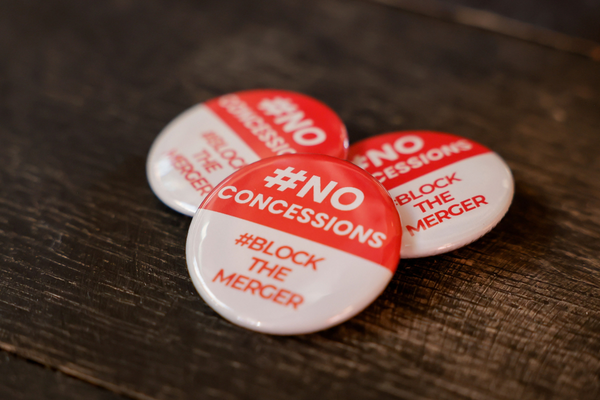
Merger Resistance. Yesterday, Free Press Co-CEO Jessica J. González joined Public Citizen’s Robert Weissman to talk about Paramount Skydance’s attempted takeover of Warner Bros. Discovery, corruption in Trump’s Justice Department, and the consequences of corporate capture of the media.
 Jessica J. González and Robert Weissman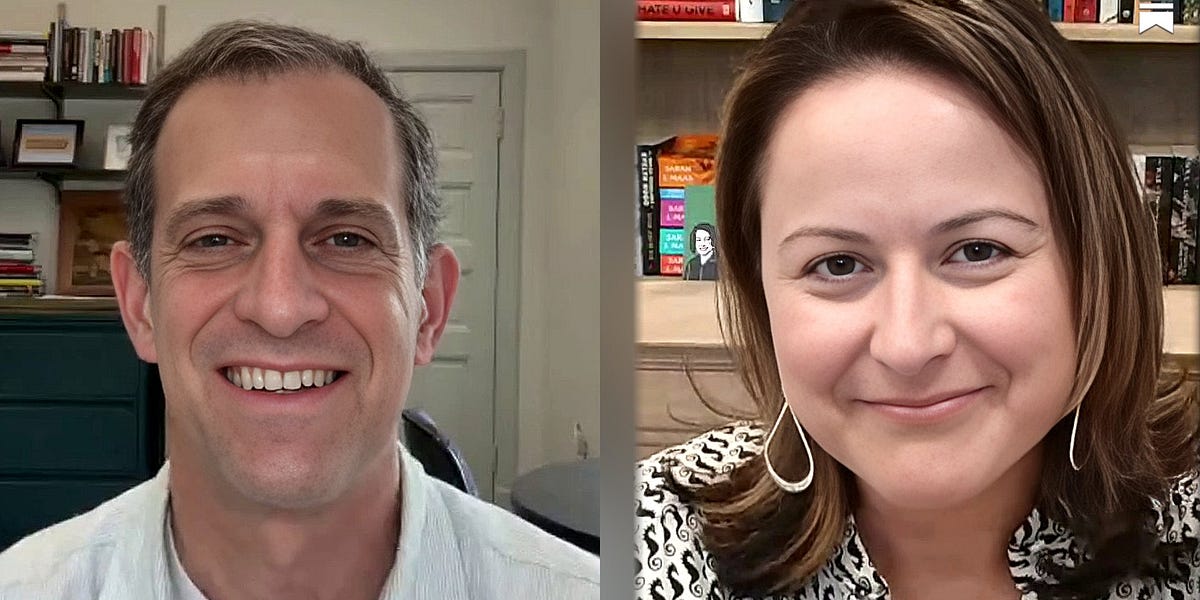
Want to know what will happen now that 12 state attorneys general have sued to block the merger? Check out Jessica’s explainer on the Free Press blog.
 Jessica J. González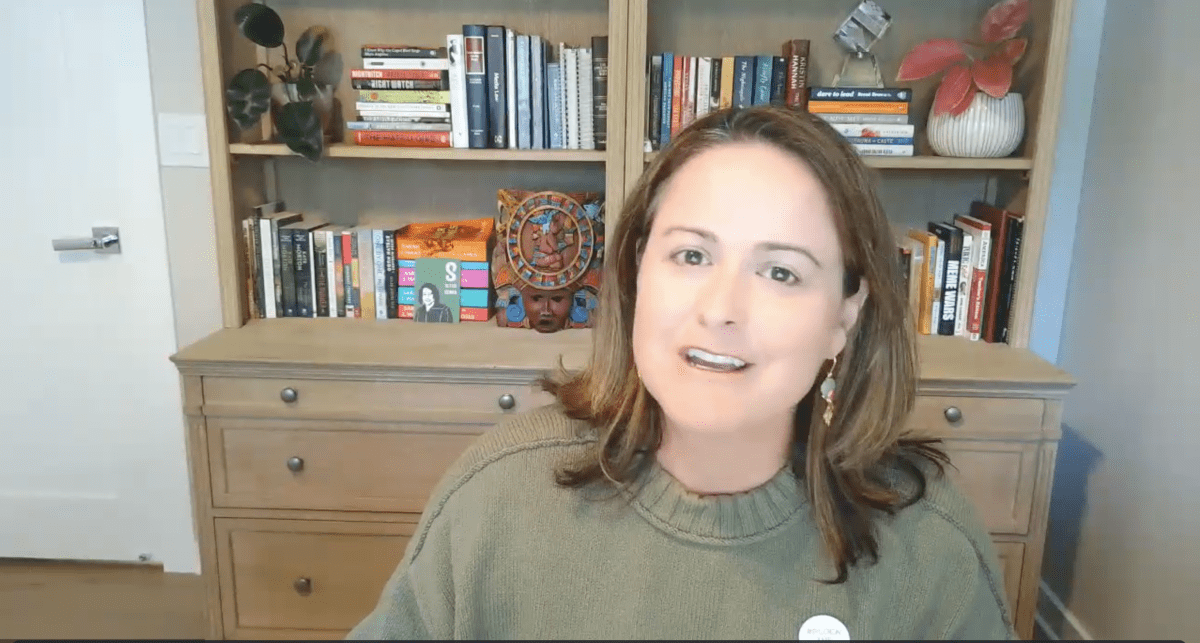
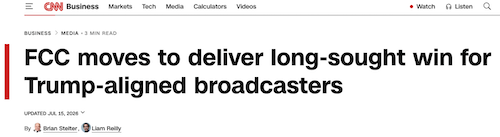
Carr Kicker. CNN covered Brendan Carr’s latest scheme to lift the limits on the national reach of broadcast conglomerates — in clear violation of the law Congress passed to establish a national cap. As Free Press’ Matt Wood told CNN’s Brian Stelter: “Brendan Carr cannot undo the limit that Congress set just because he feels like it.”
American Colony. Congratulations to Pressing Issues Co-Editor Julio Ricardo Varela on the launch of American Colony, a bilingual podcast series that explores how colonialism shapes the everyday lives of Puerto Ricans.
 Jules, The Editor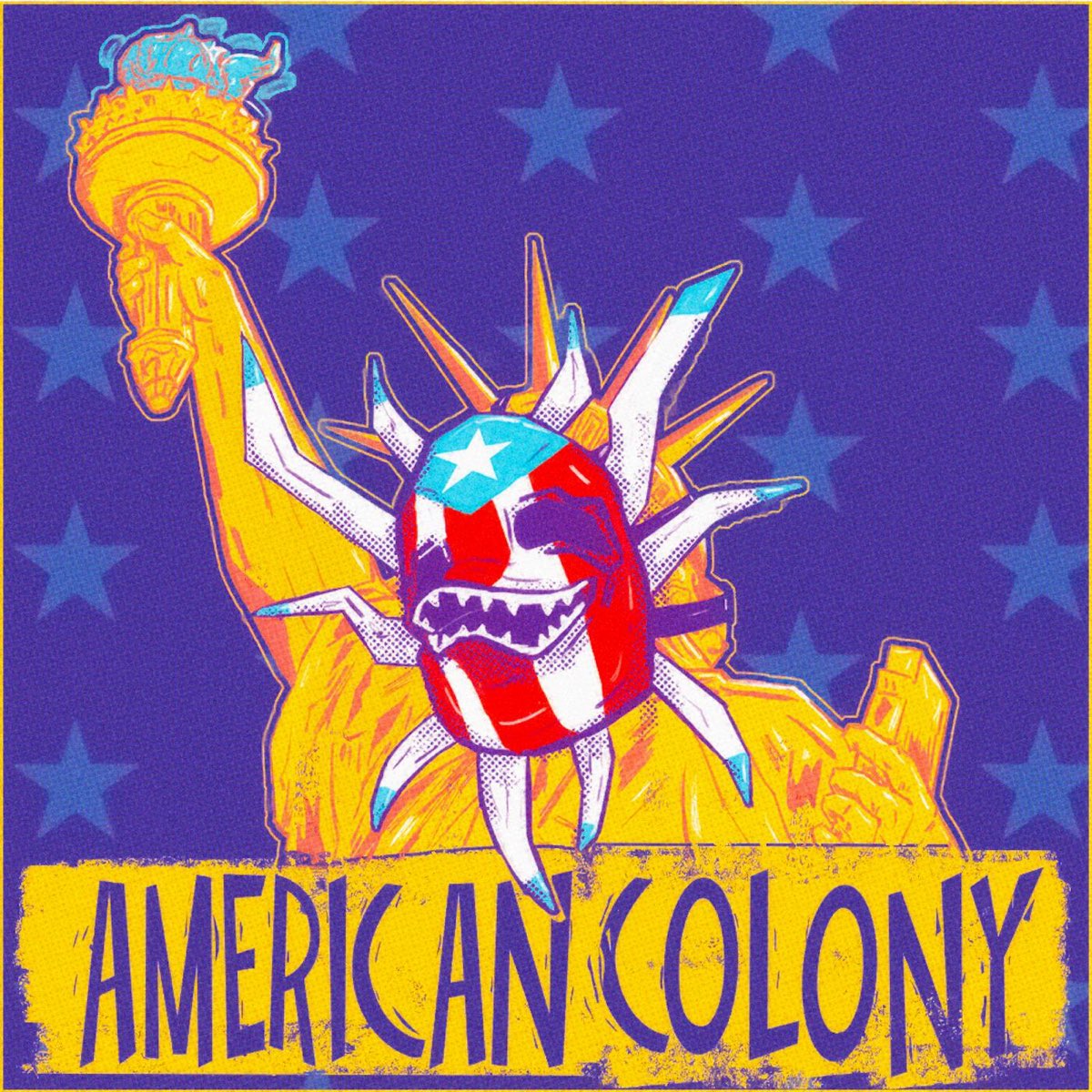
The kicker
“The question of my film, Barrio Television, is not ‘should I know this,’ but why don’t I know this? Why has this been omitted? And how can we discover our histories again and share them?” —Christina DiPasquale